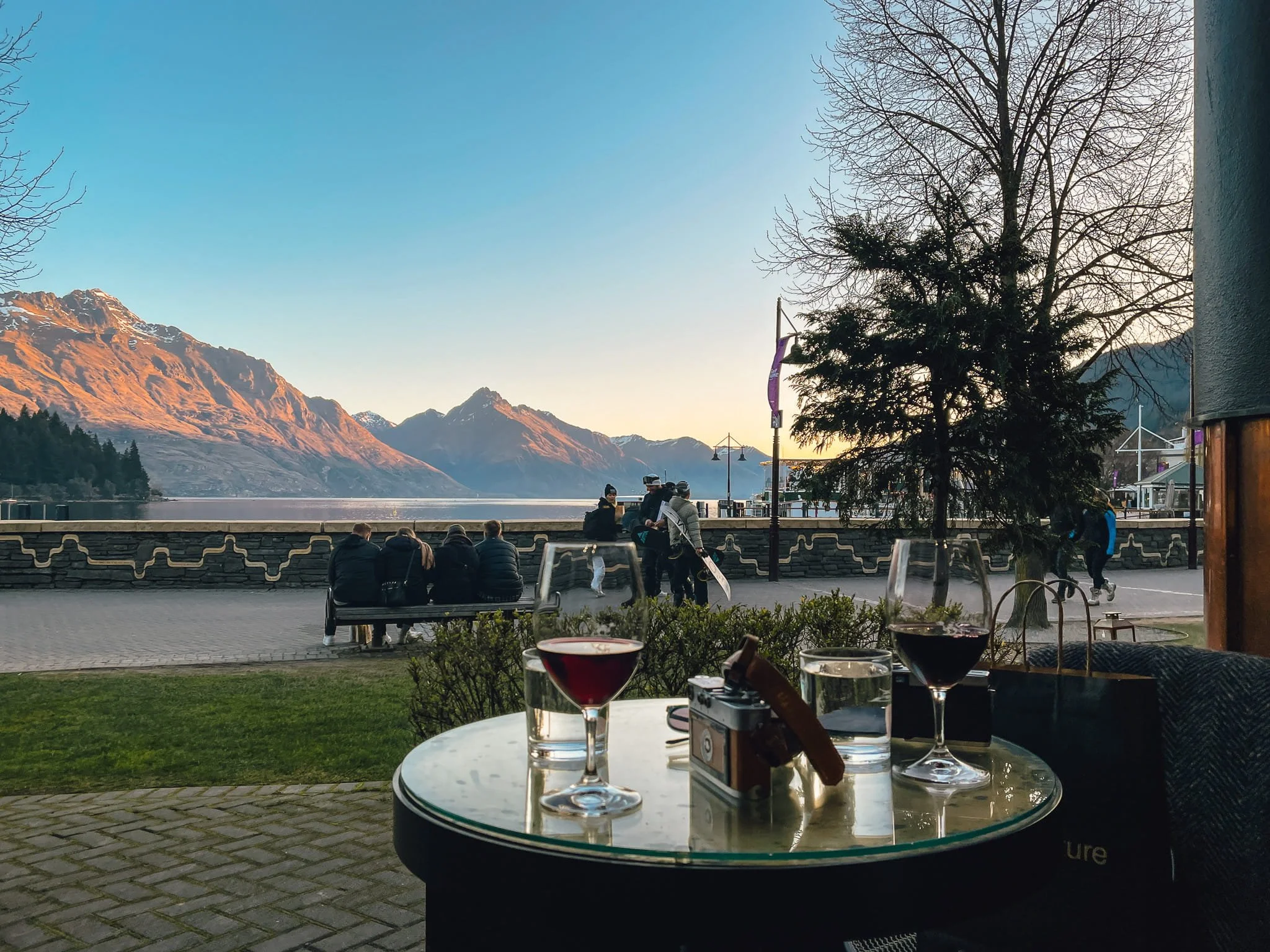
Queenstown
A freshly married couple, a bag of cameras and as much adventure through Queenstown as we could handle. It did not disappoint.
Queenstown airport feels like it exists because someone looked at a gap in the mountains and decided a runway would technically fit. You land between peaks on either side, the mountains growing around you as the plane descends to the tarmac. Step off the plane and the cold hits you immediately. It has an extra bite to it. The crisp air a not so subtle reminder of how far south you are.
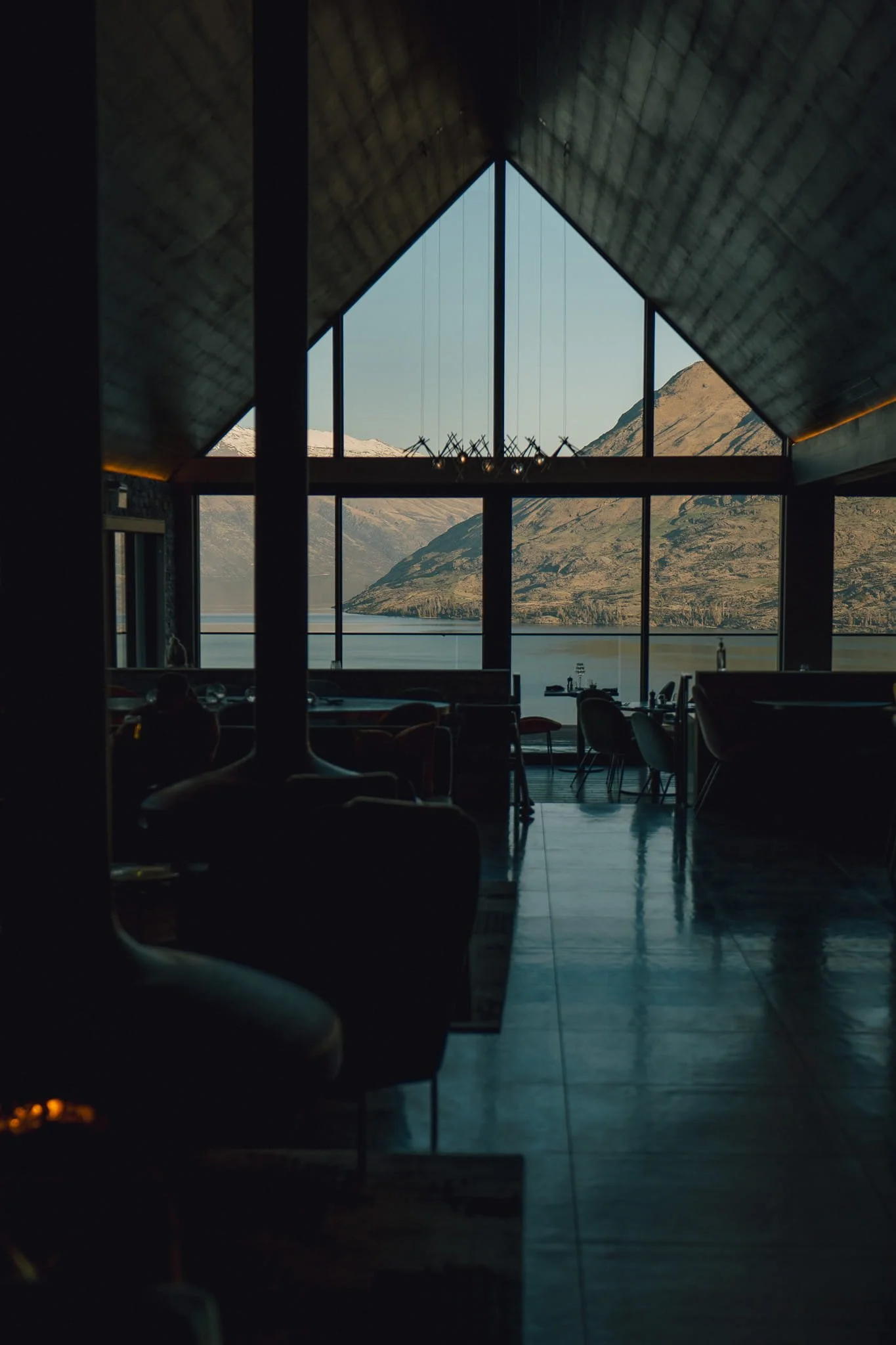
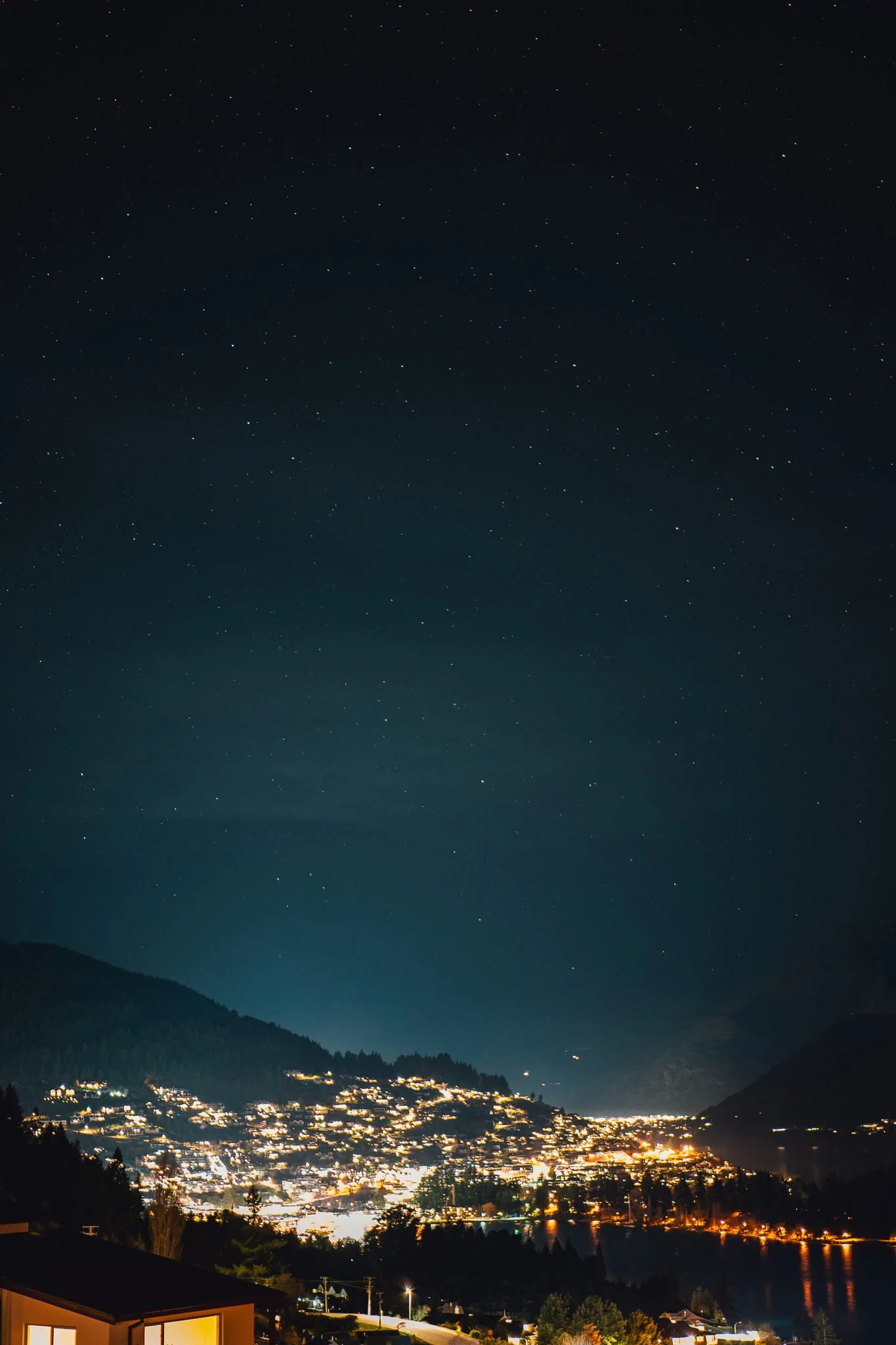
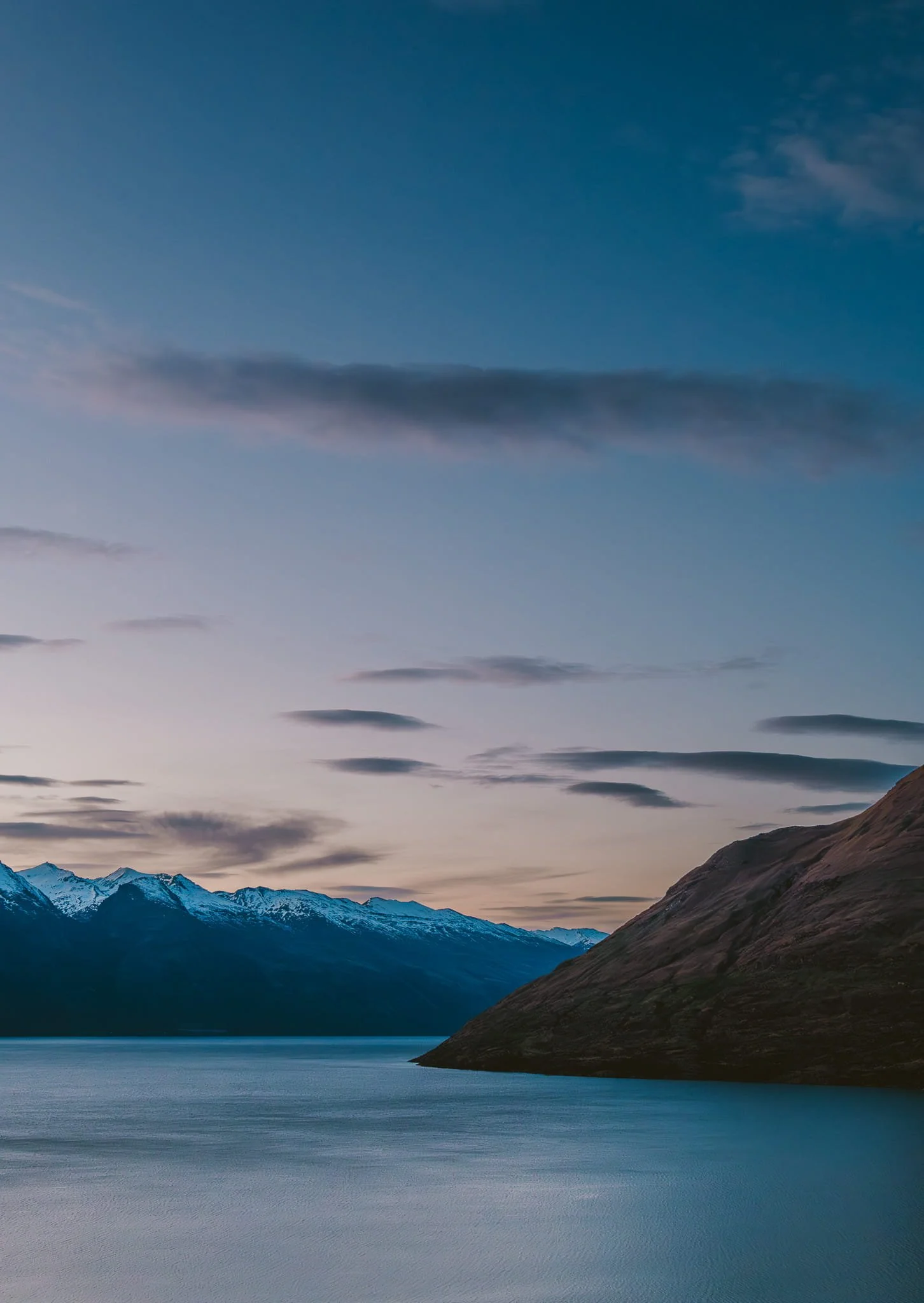
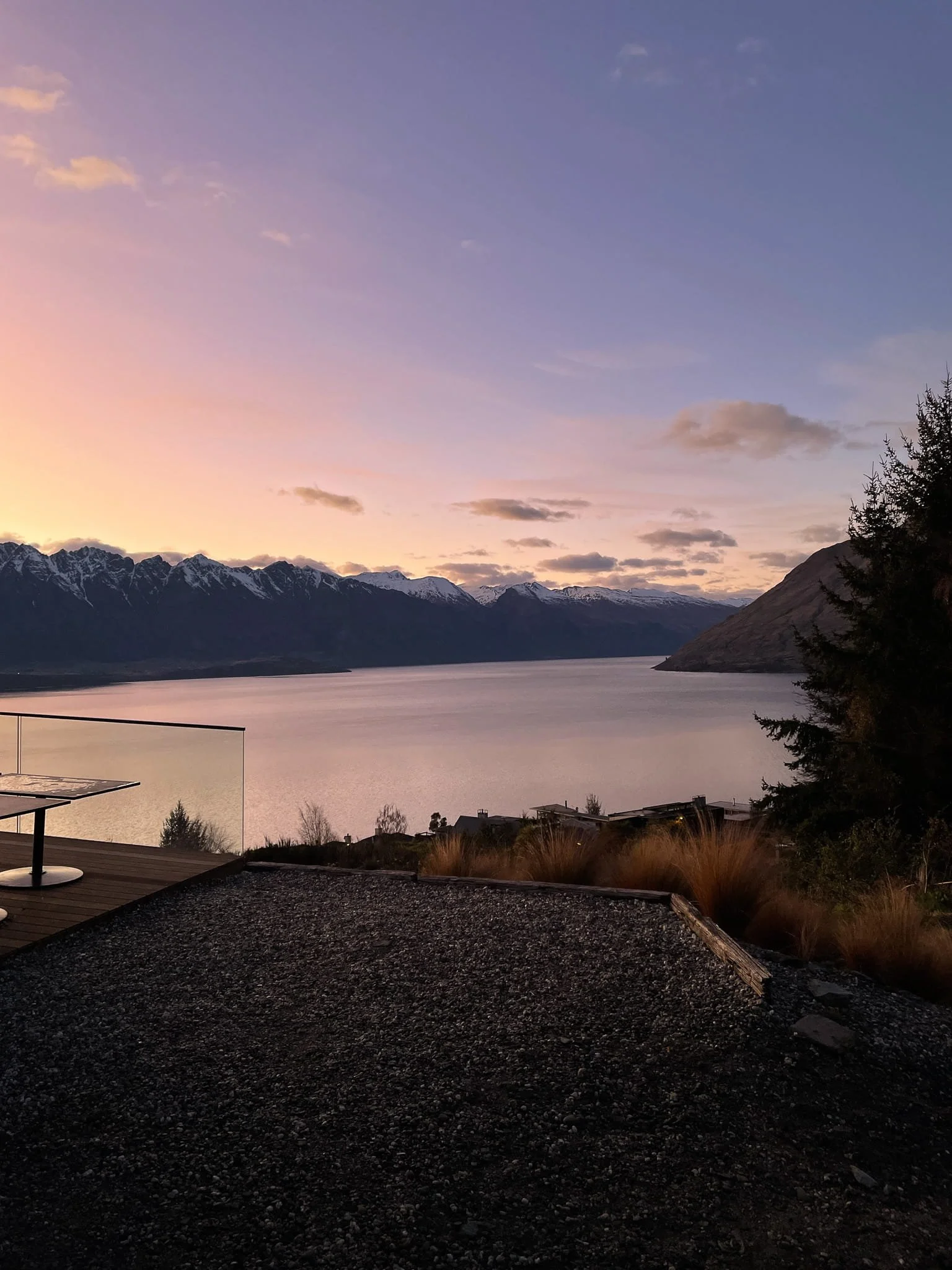
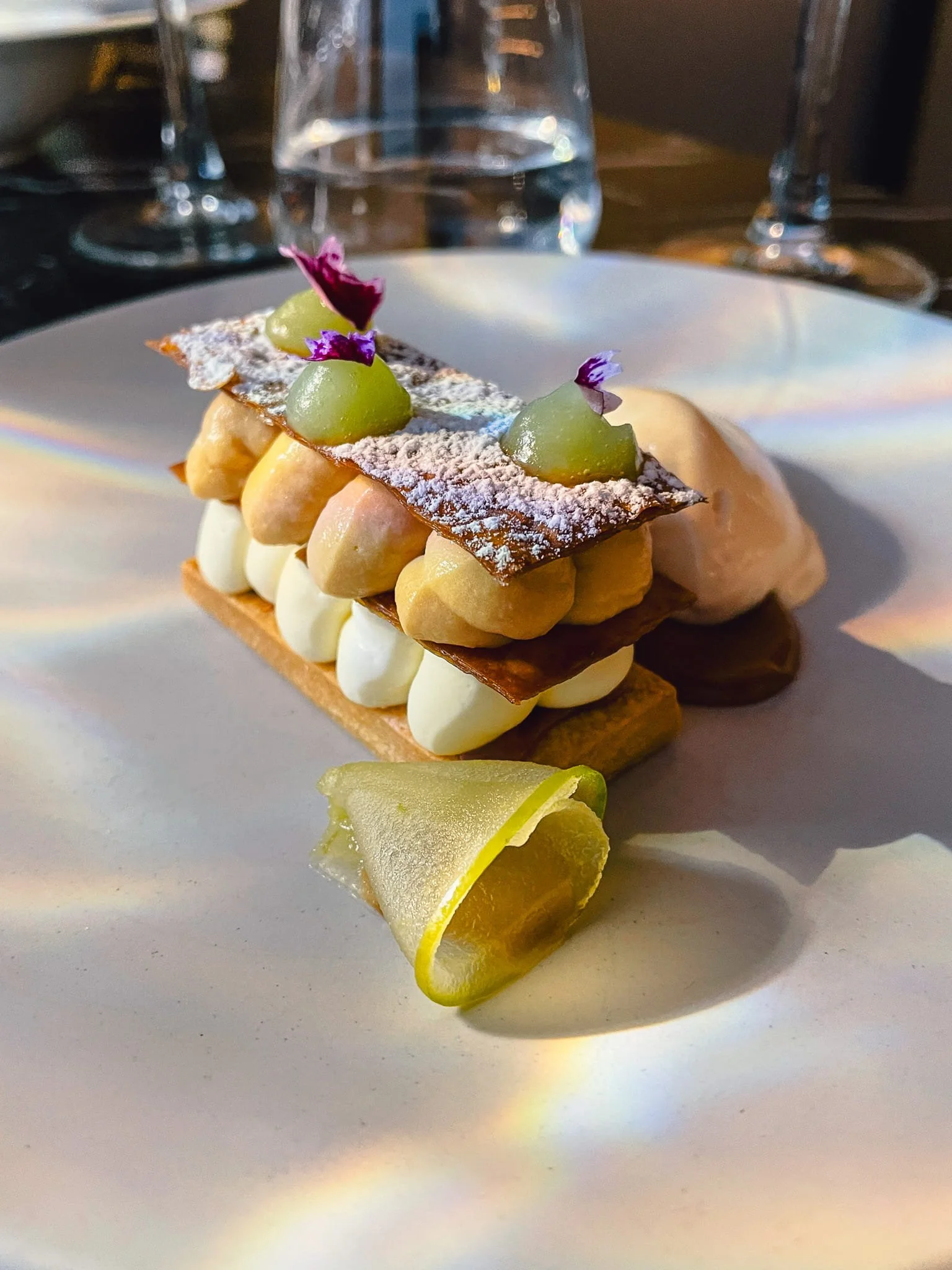
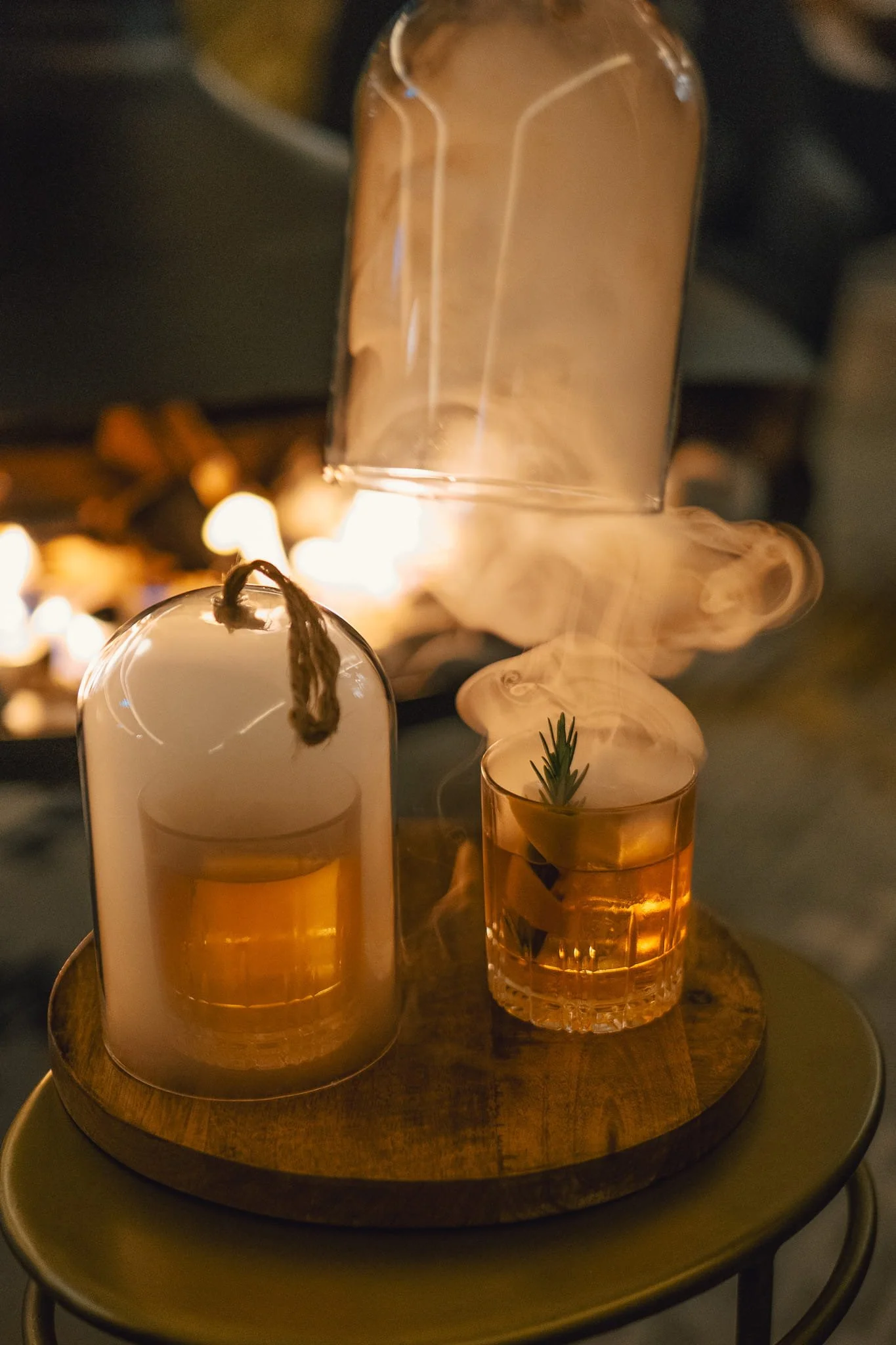
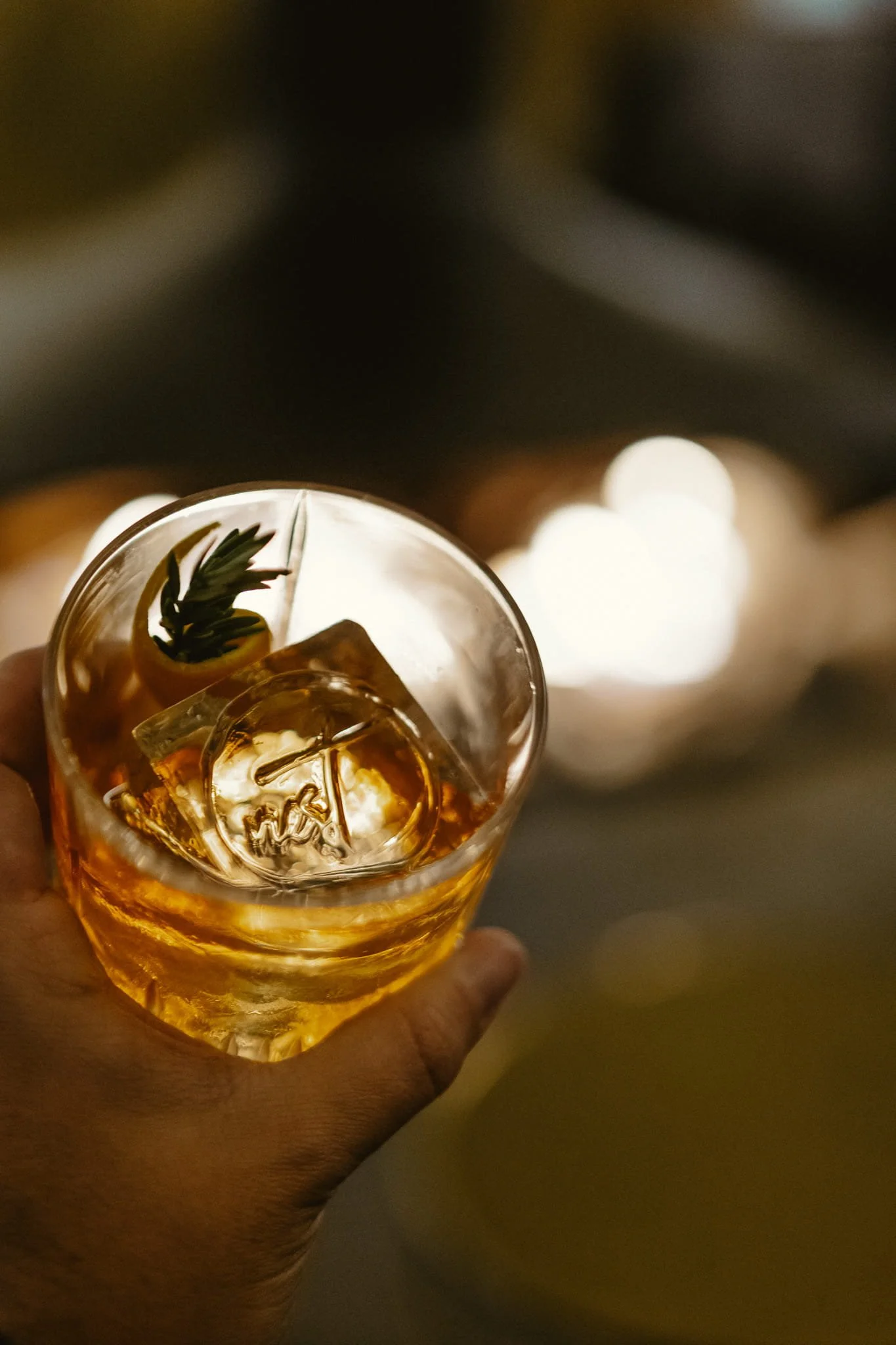
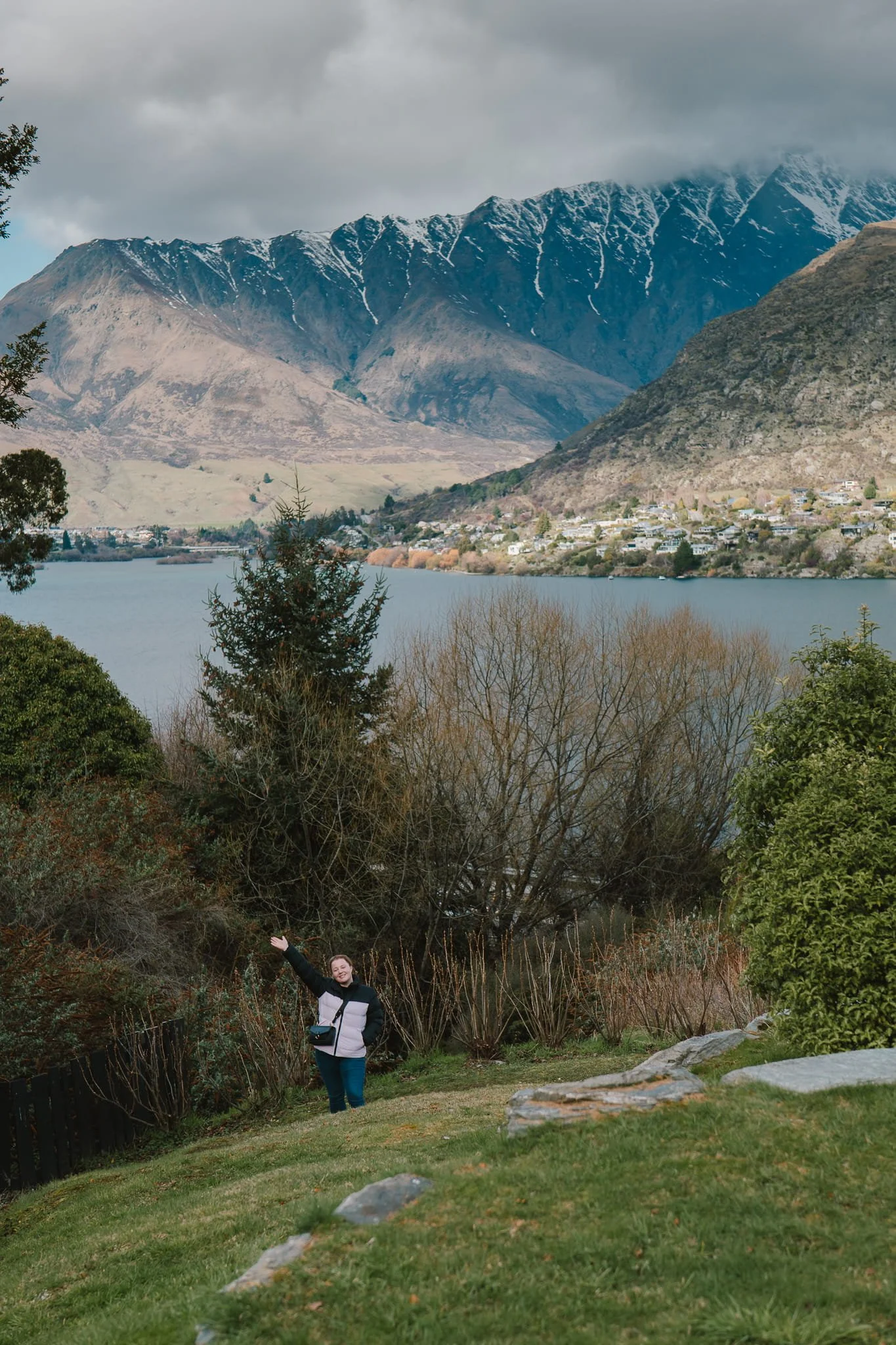
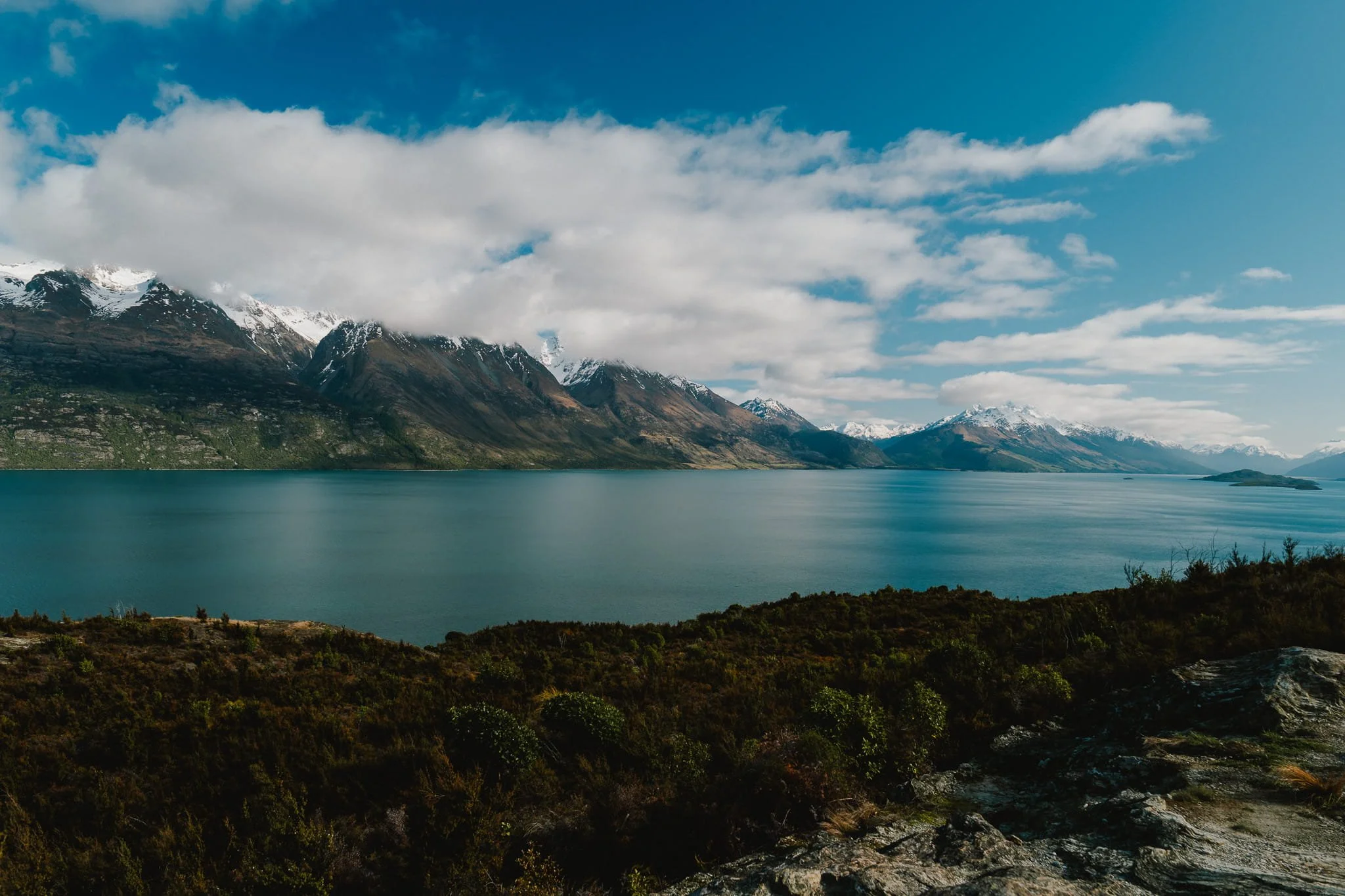
Our first stop was Kamana Lakehouse for a two night honeymoon treat. Located just outside the centre of Queenstown in the quiet area of Fernhill, the elevated position gives you views over Lake Wakatipu and the rest of Queenstown. The welcoming lobby leads down to the bar and Nest restaurant, which has floor-to-ceiling views over the lake. Nest holds the inaugural TripAdvisor Travellers' Choice Best of the Best One-of-a-Kind award, recognised as the most unique dining experience in the world for 2025, and an evening there makes it easy to understand why. We had dinner that night with a window seat looking straight out over the water, and finished the evening at the bar with a Scotch Old Fashioned made with Laphroaig, Angostura bitters and rosemary. It is exactly the right drink for a cold Queenstown evening. Waking up to the sunrise over the lake from up there, away from the noise of town, was a good way to start the first full day.
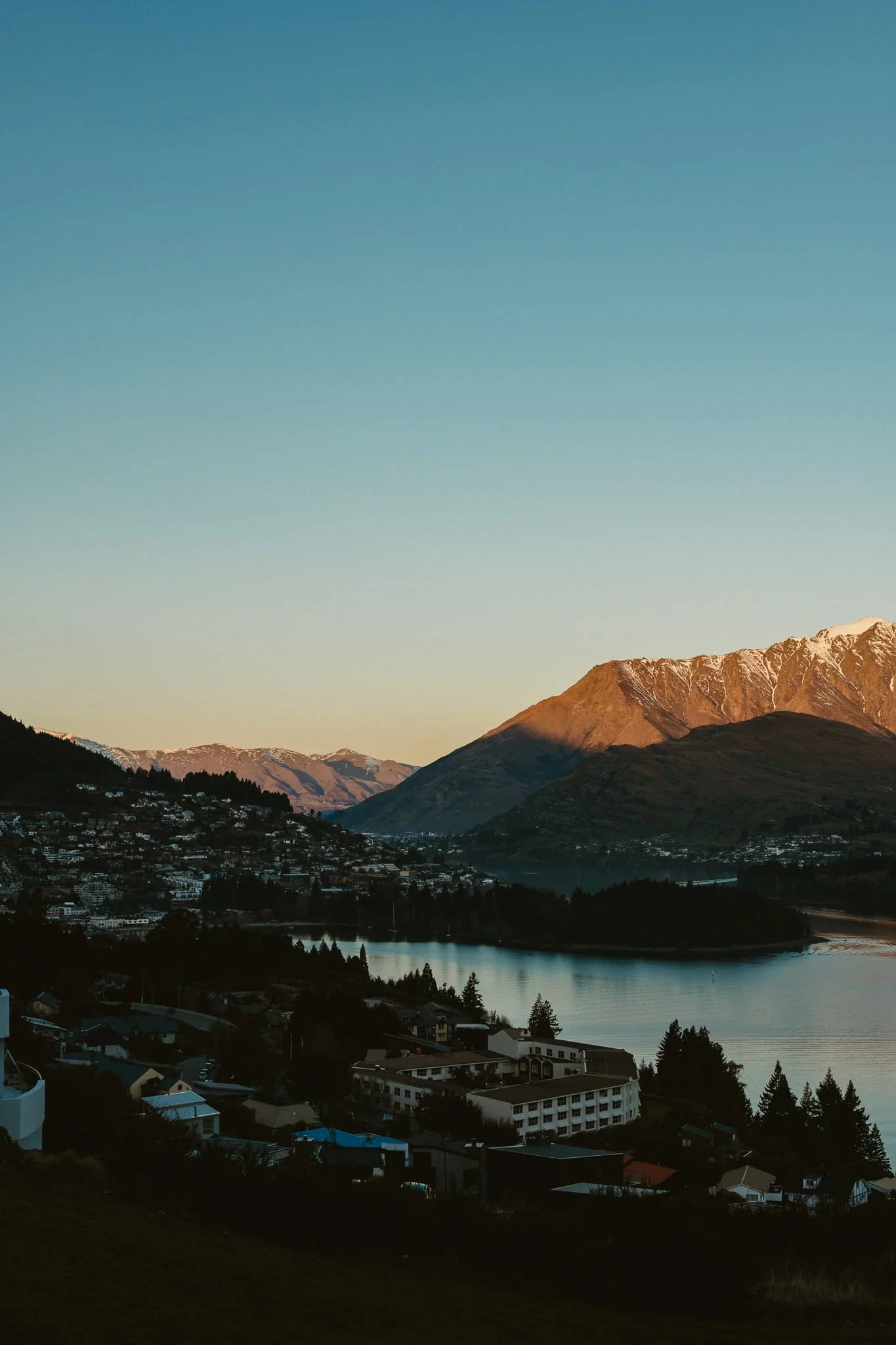
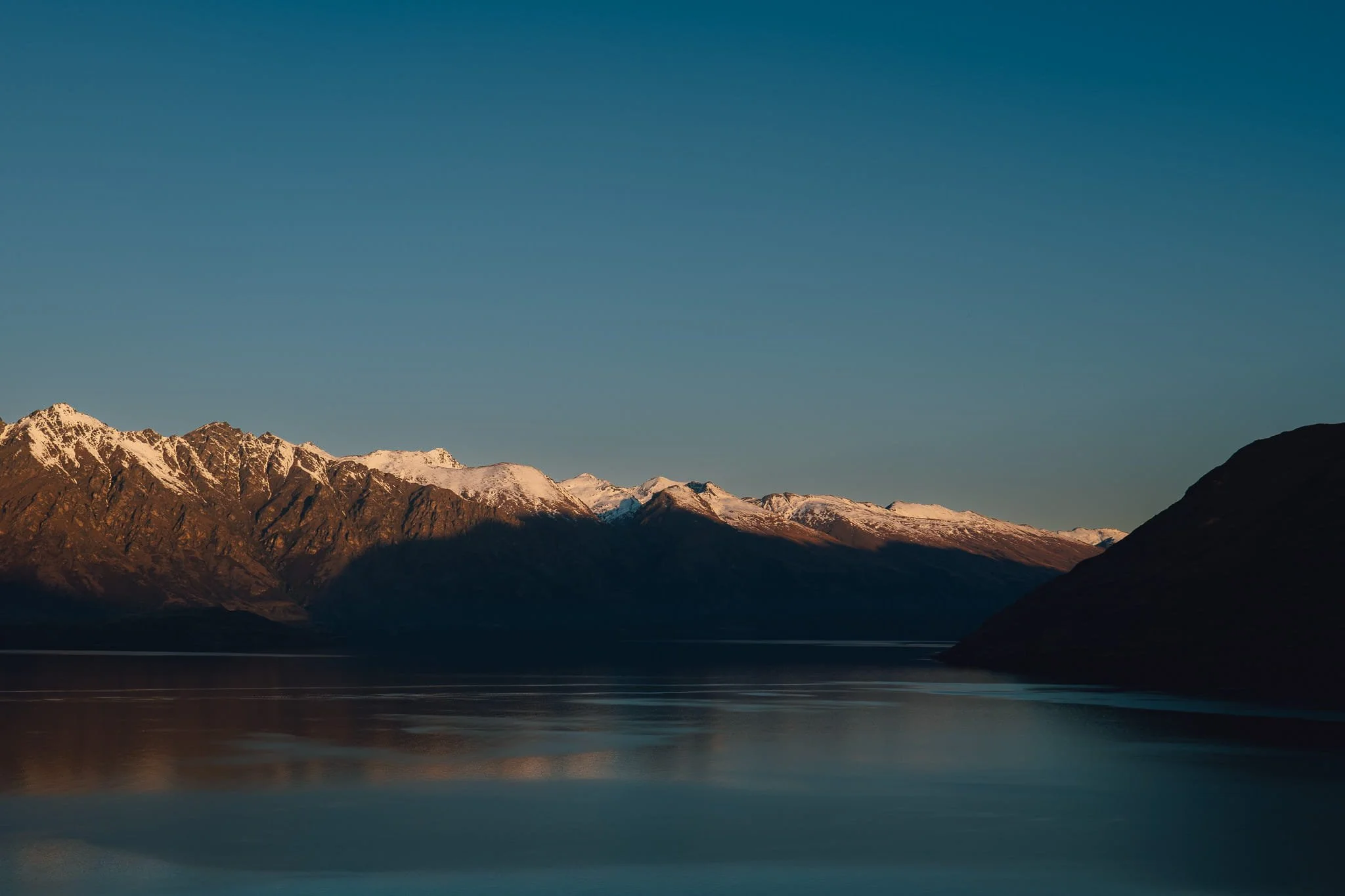
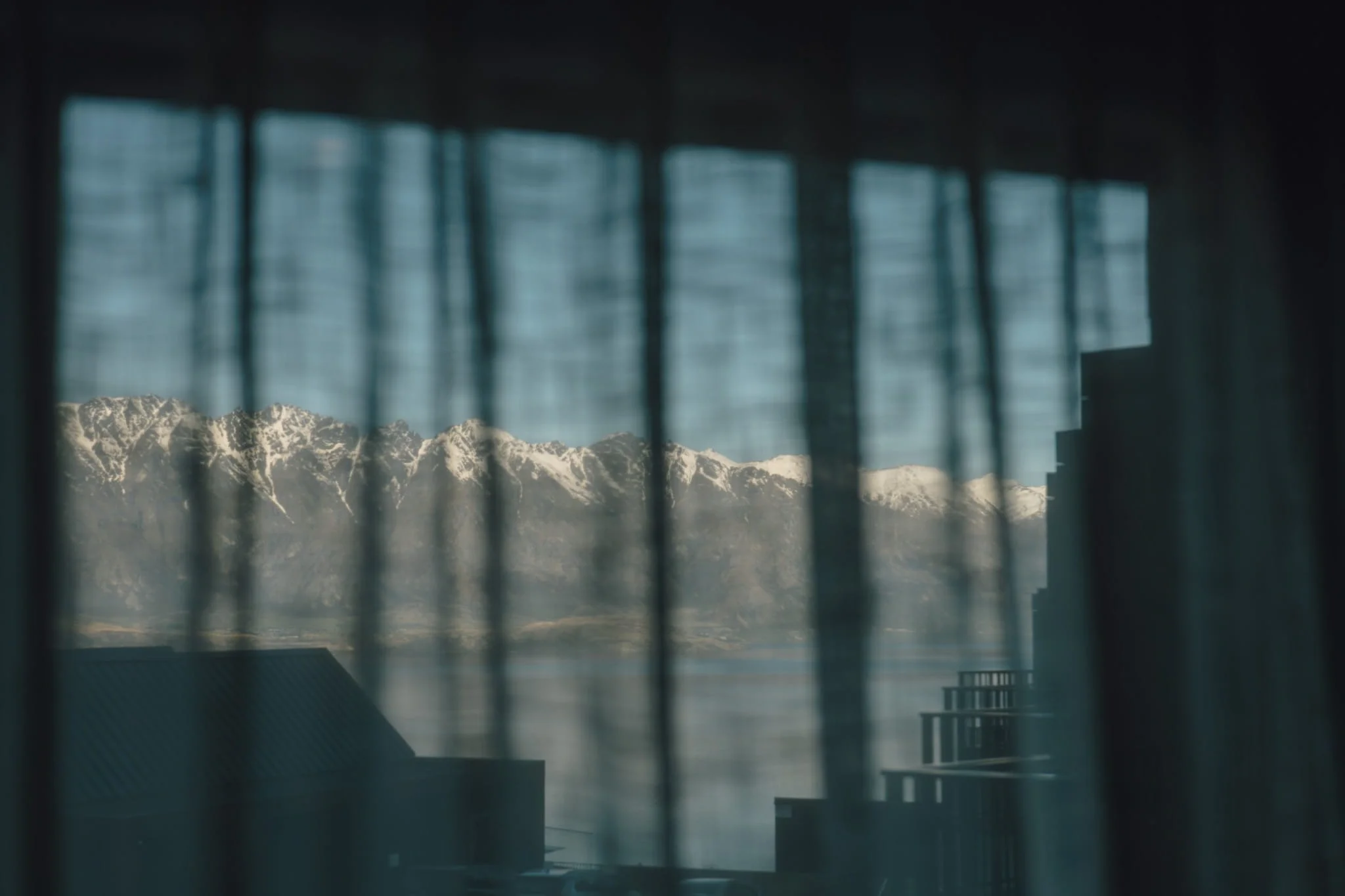
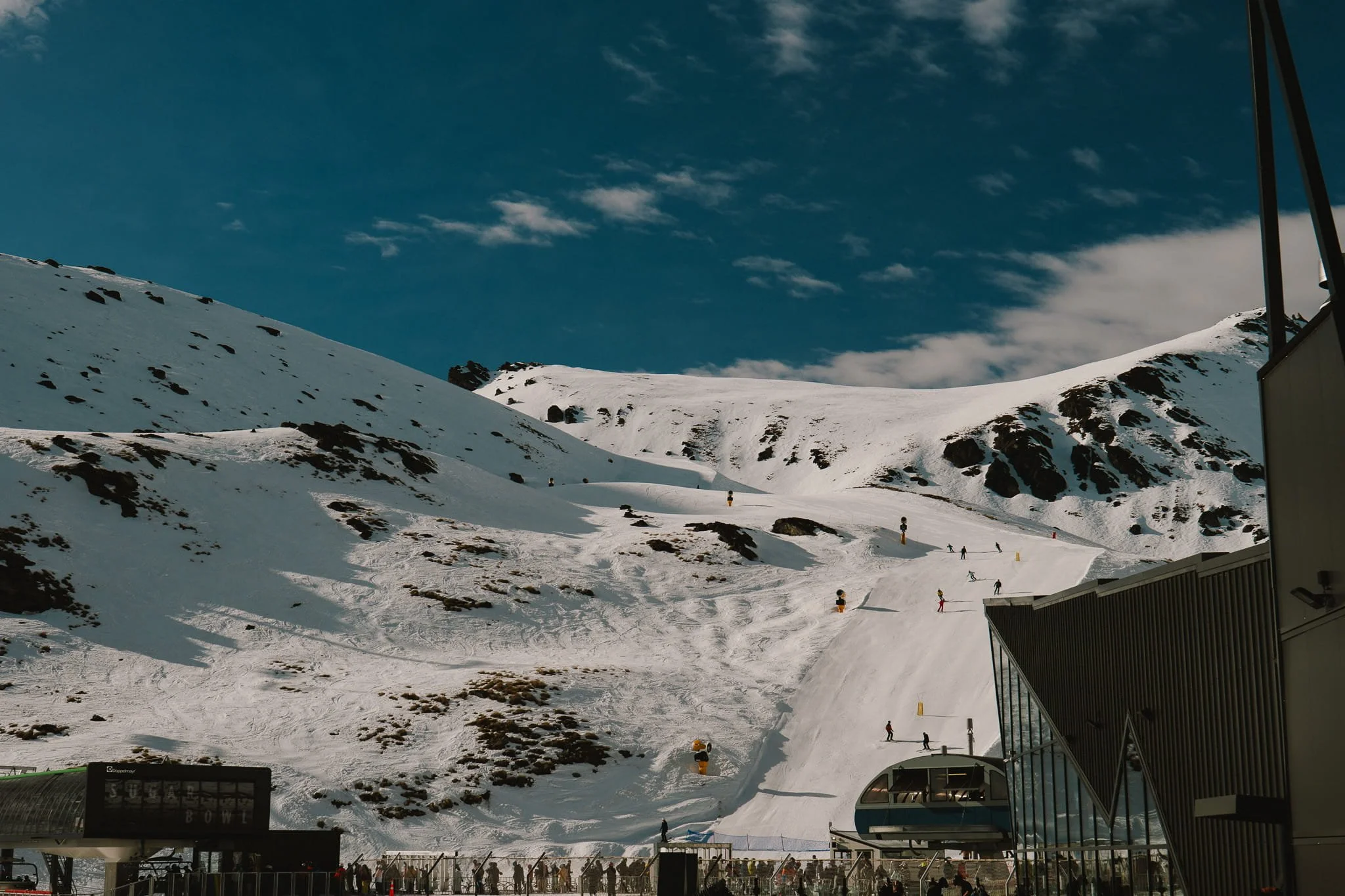
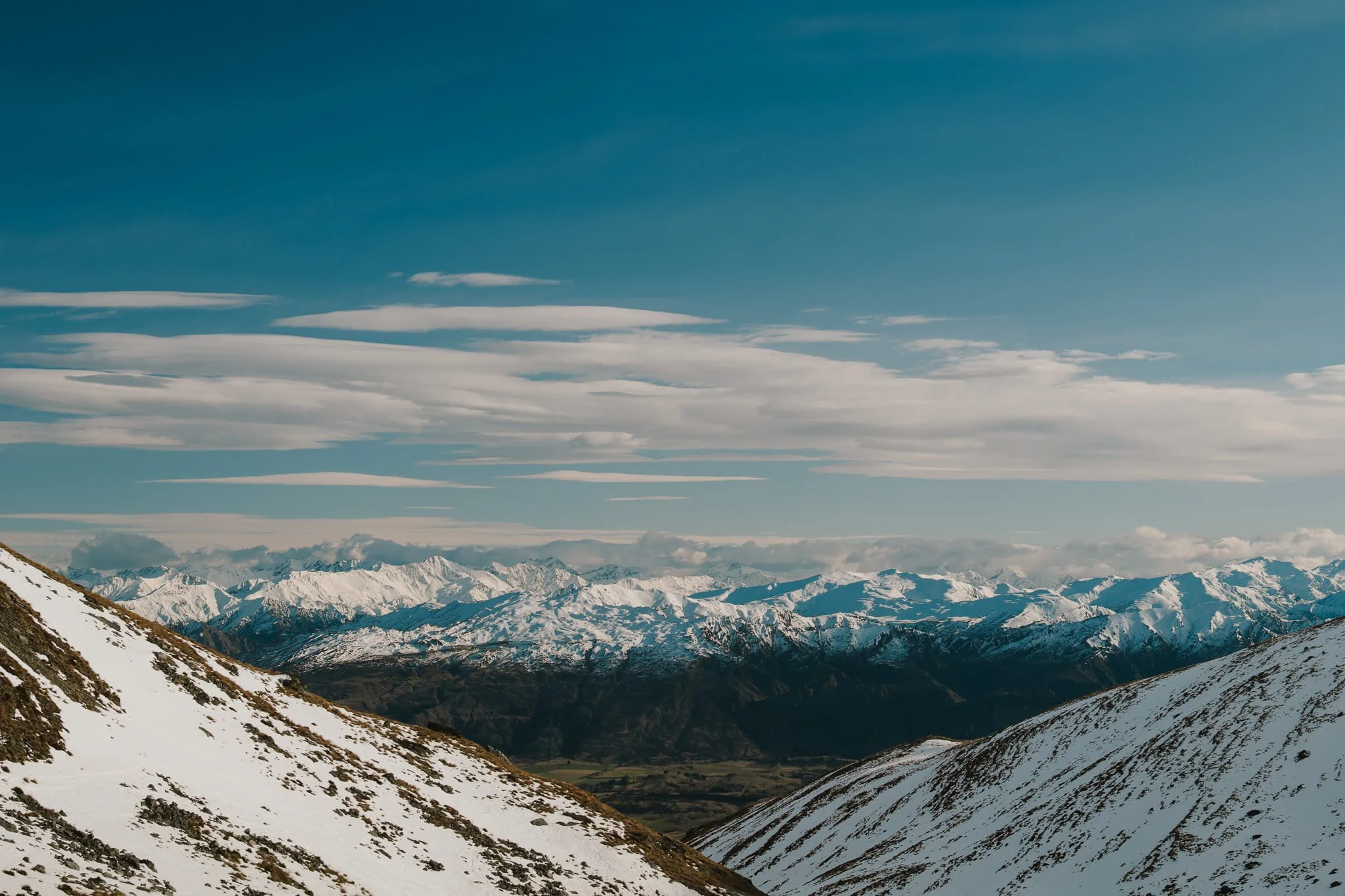
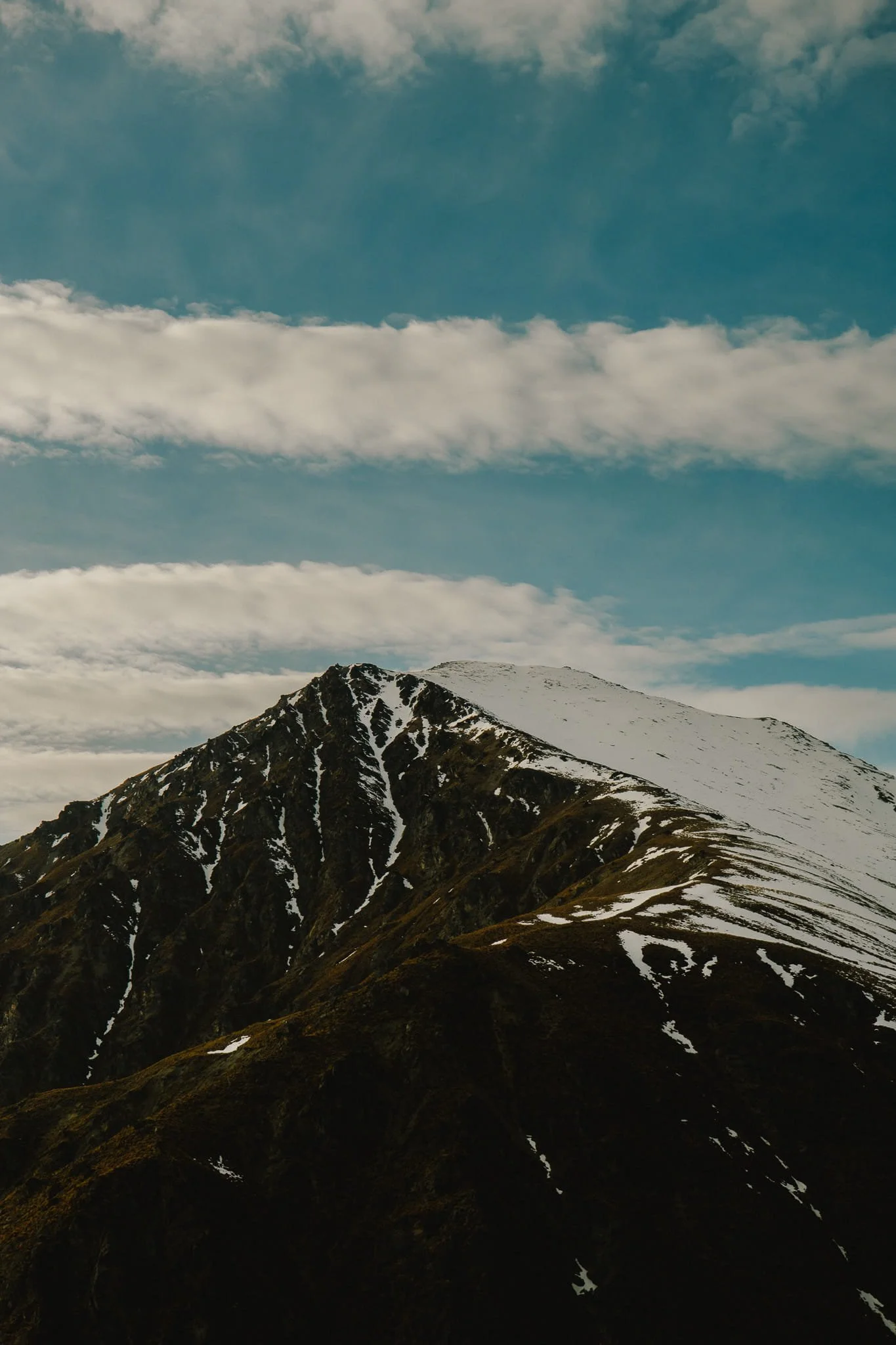
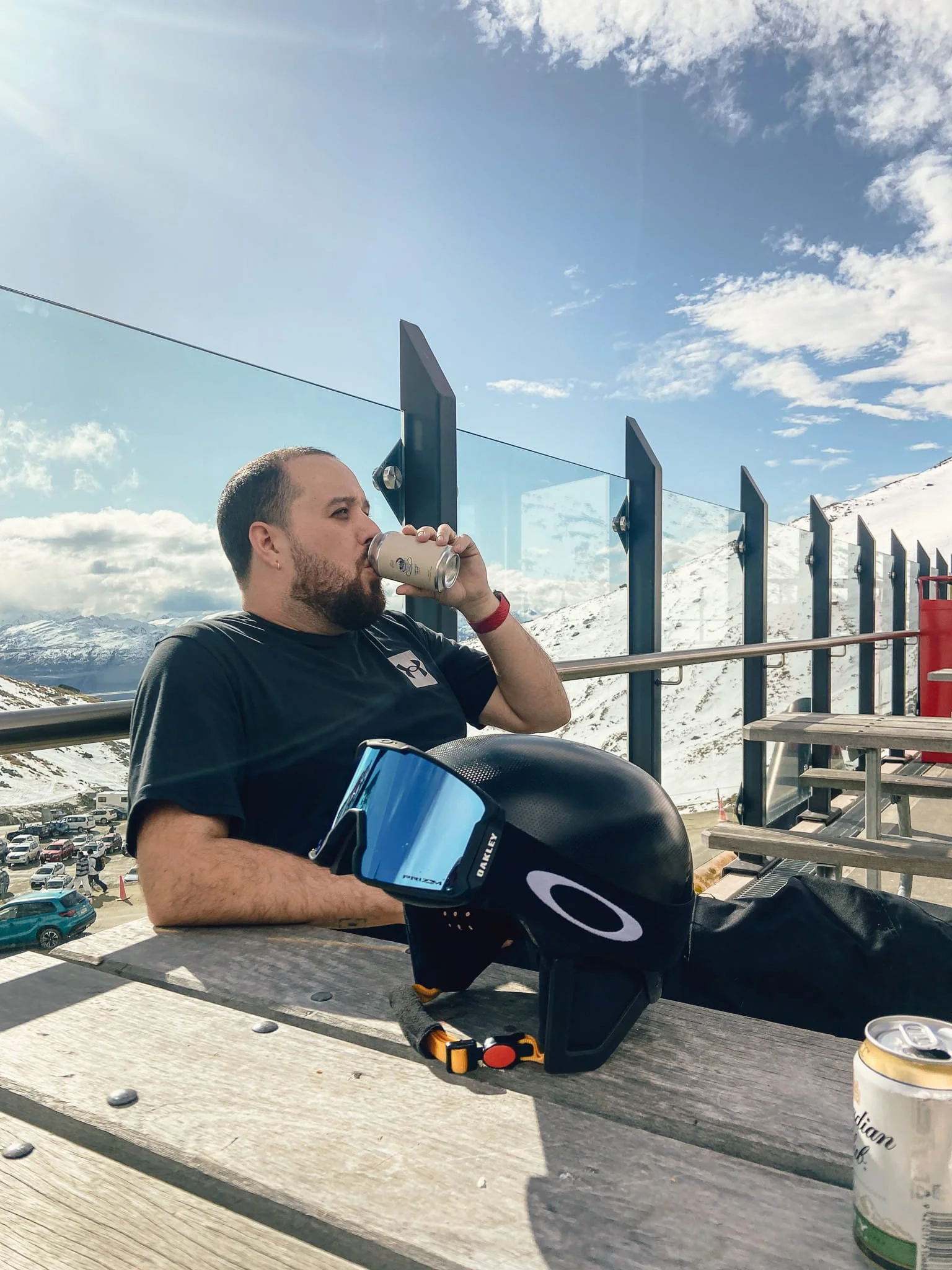
My mum had skied the Remarkables when she was younger, which made the choice easy when it came to picking where to spend our first two full days. Queenstown has three major ski fields: the Remarkables, Coronet Peak and Cardrona. Coronet Peak is the closest to town, Cardrona tends to draw families and beginners, and the Remarkables sit above it all with some of the most dramatic views of any ski field I have been to. For my wife it was a return to skiing after years away. For me it was something else entirely.
I had never seen snow before. It is a lot harder than the movies make it out to be. Falling on snow that has not freshly fallen is considerably less fluffy than you would expect. Though in my defence, it is very difficult to concentrate on skiing when the view in every direction is that good.
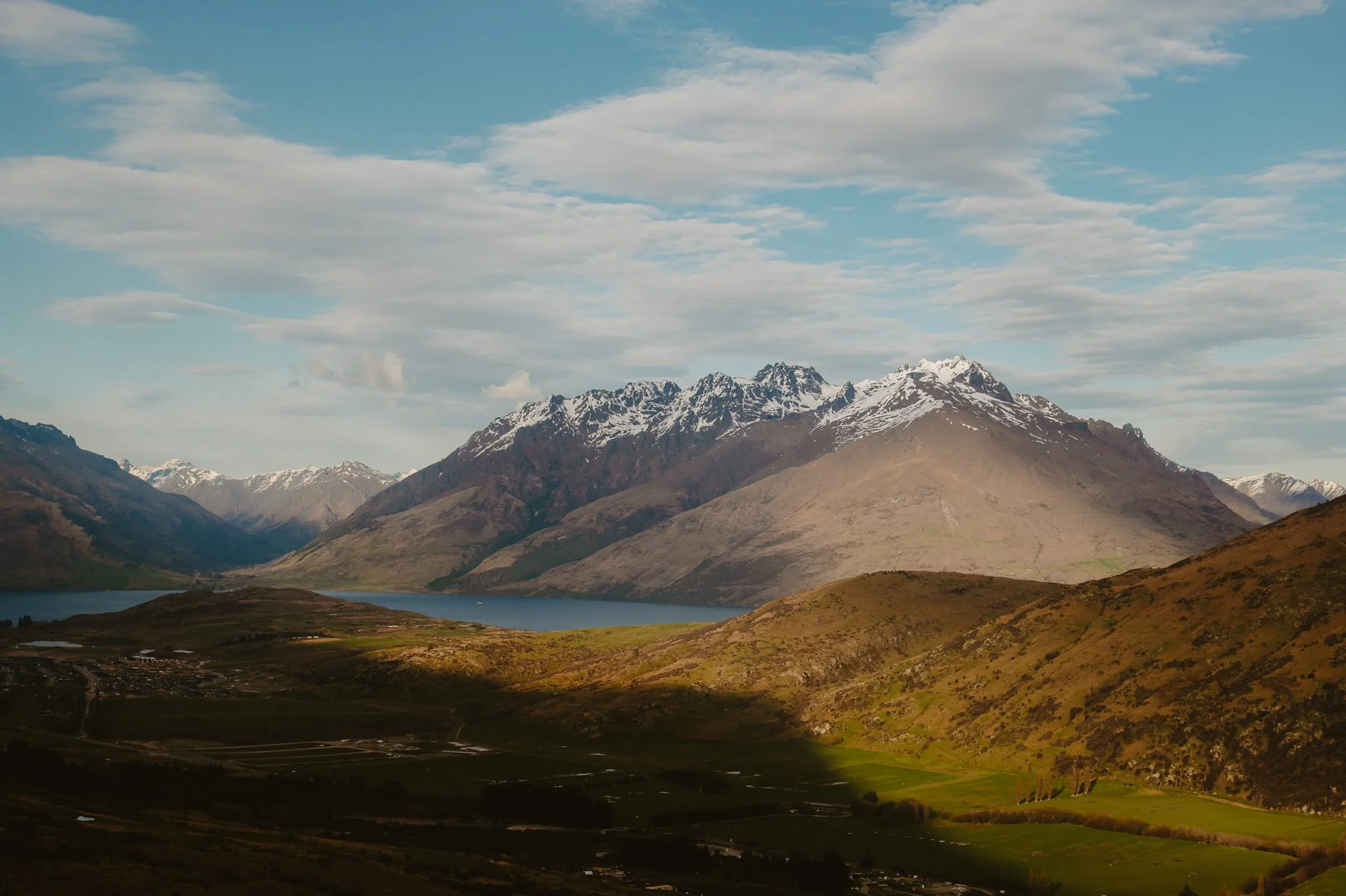
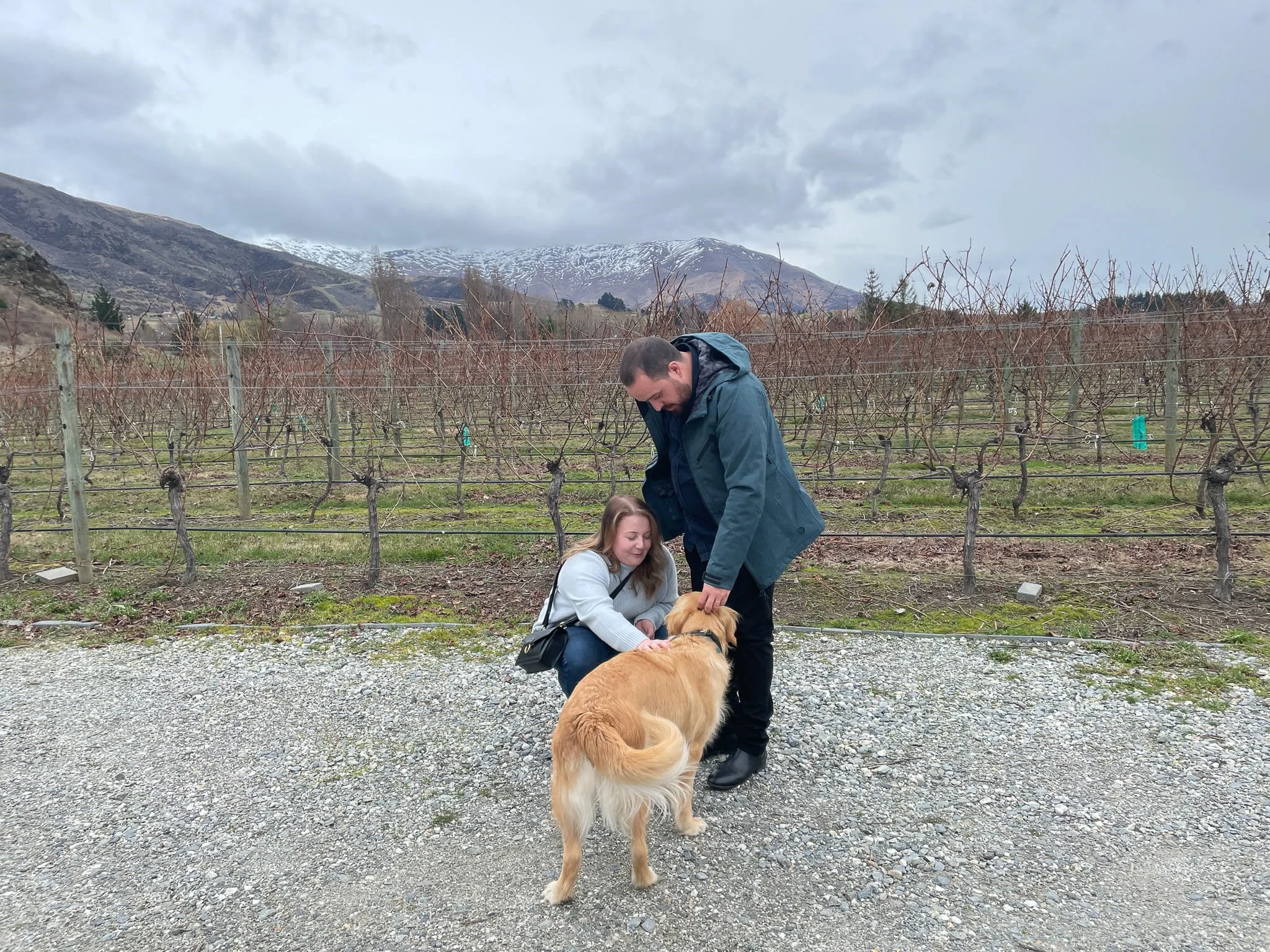
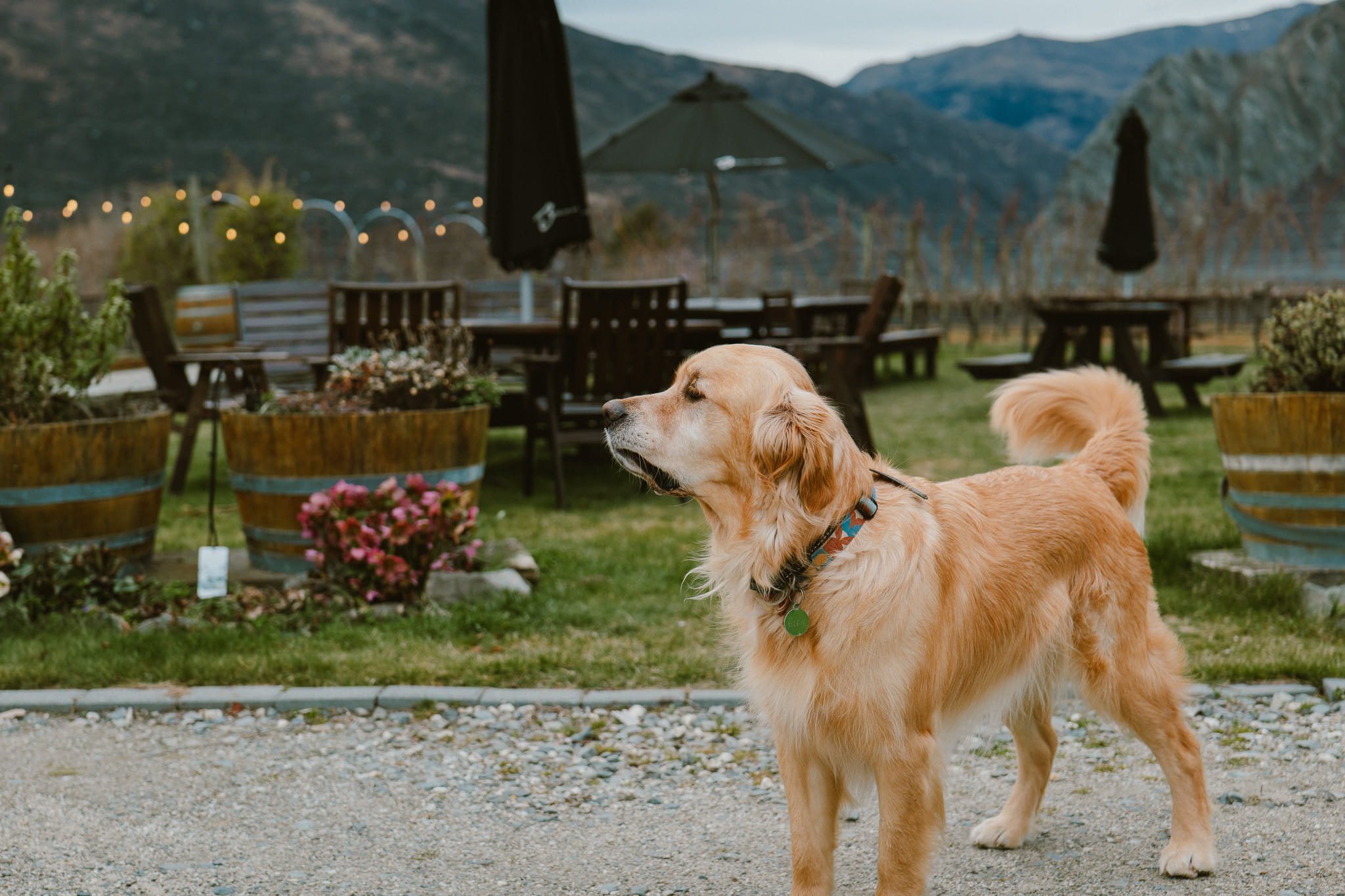
After two days of standing up and falling down in the snow, we needed something to soothe our aches (mainly mine) and a wine tour sounded like just the remedy. Pinot Noir is my wine, and Central Otago is one of the great regions for it. A wine tour was always on the cards. After looking at what was available we went with Altitude Wines, and their reputation proved well deserved. Our guide Rosie picked us up from the hotel in a comfortable bus, drove us between four wineries across the Gibbston Valley and dropped us home at the end of the day. Being picked up and dropped off meant we could relax completely and focus on what each winery had to offer.
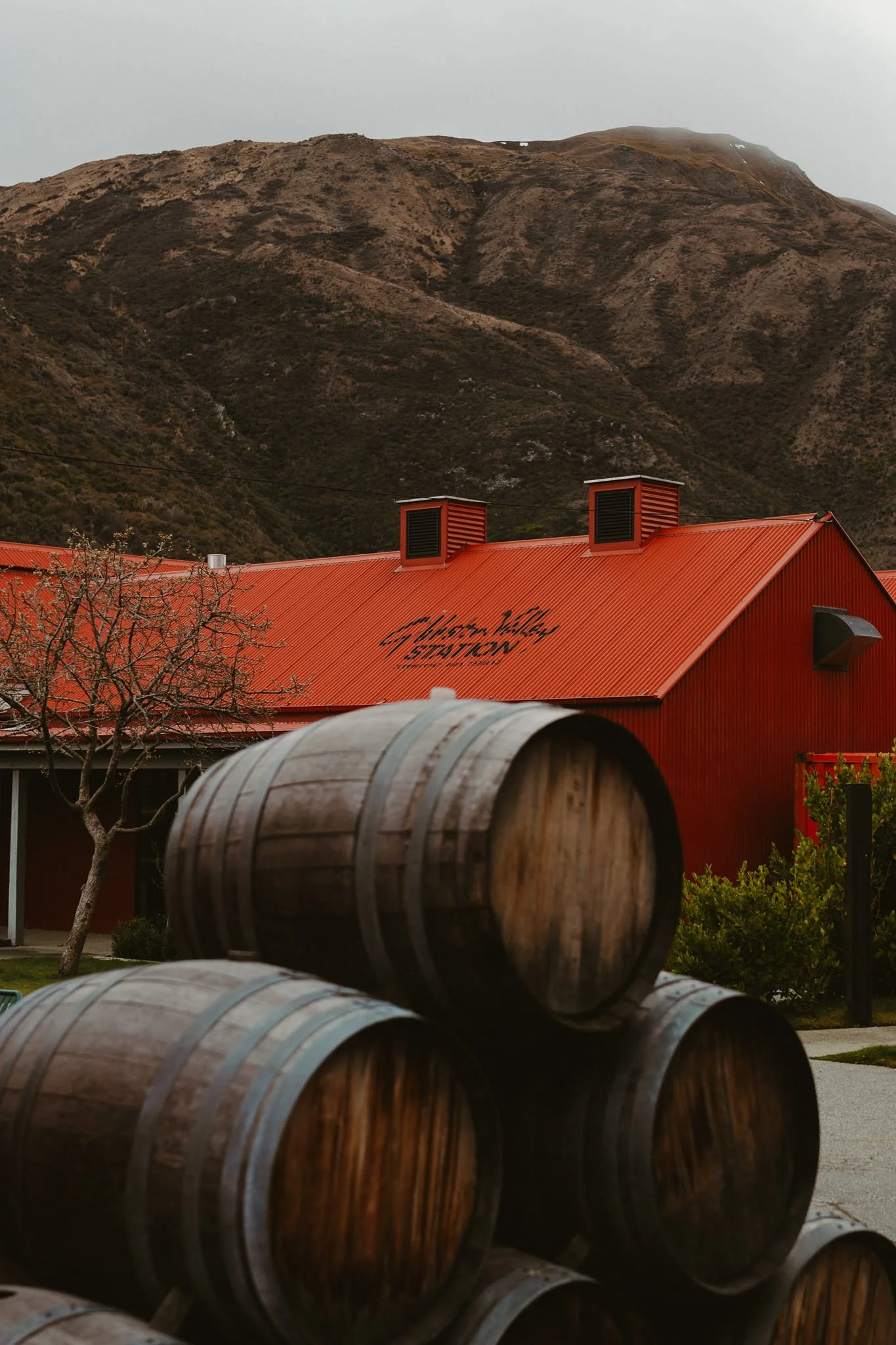
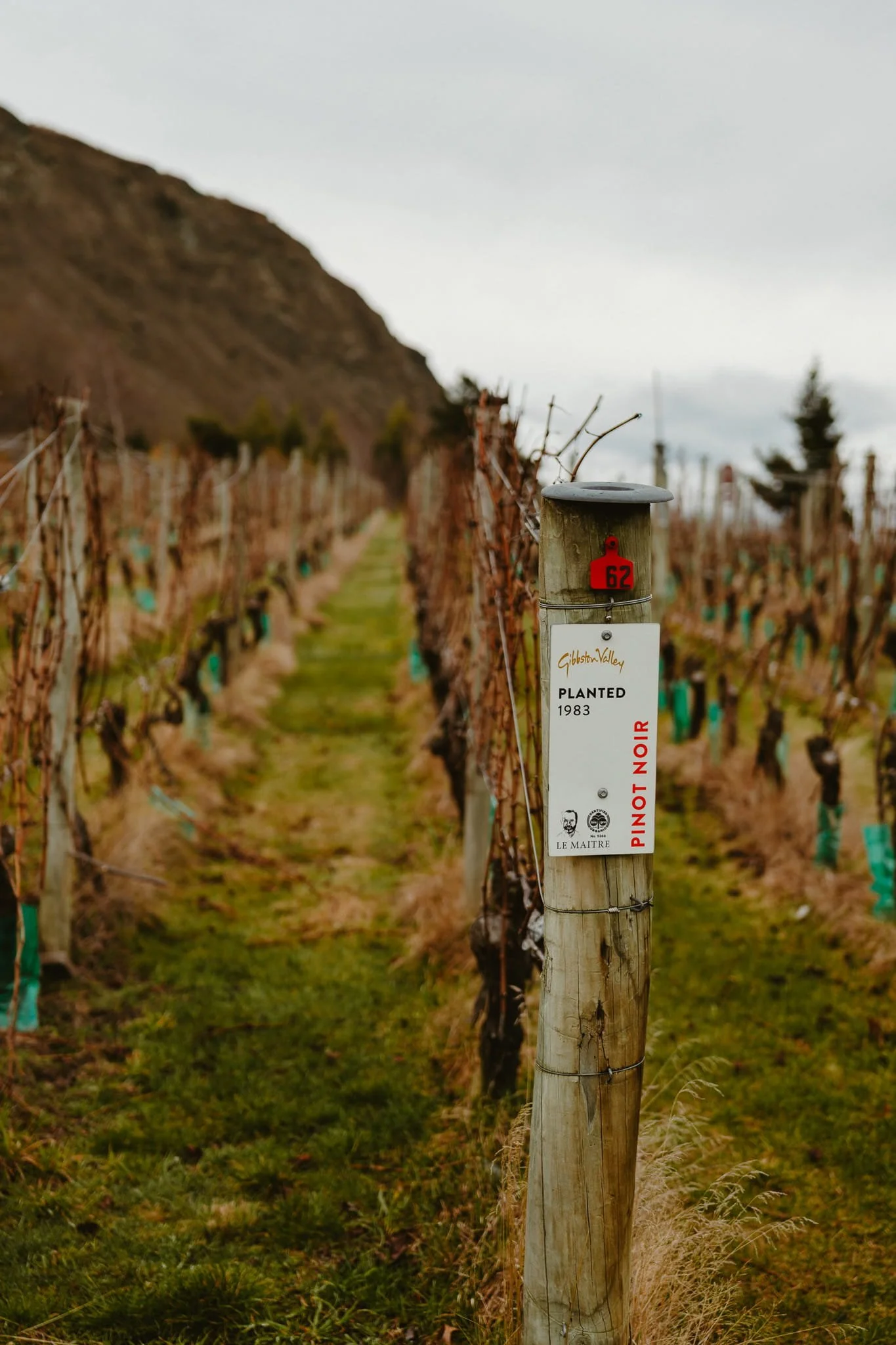
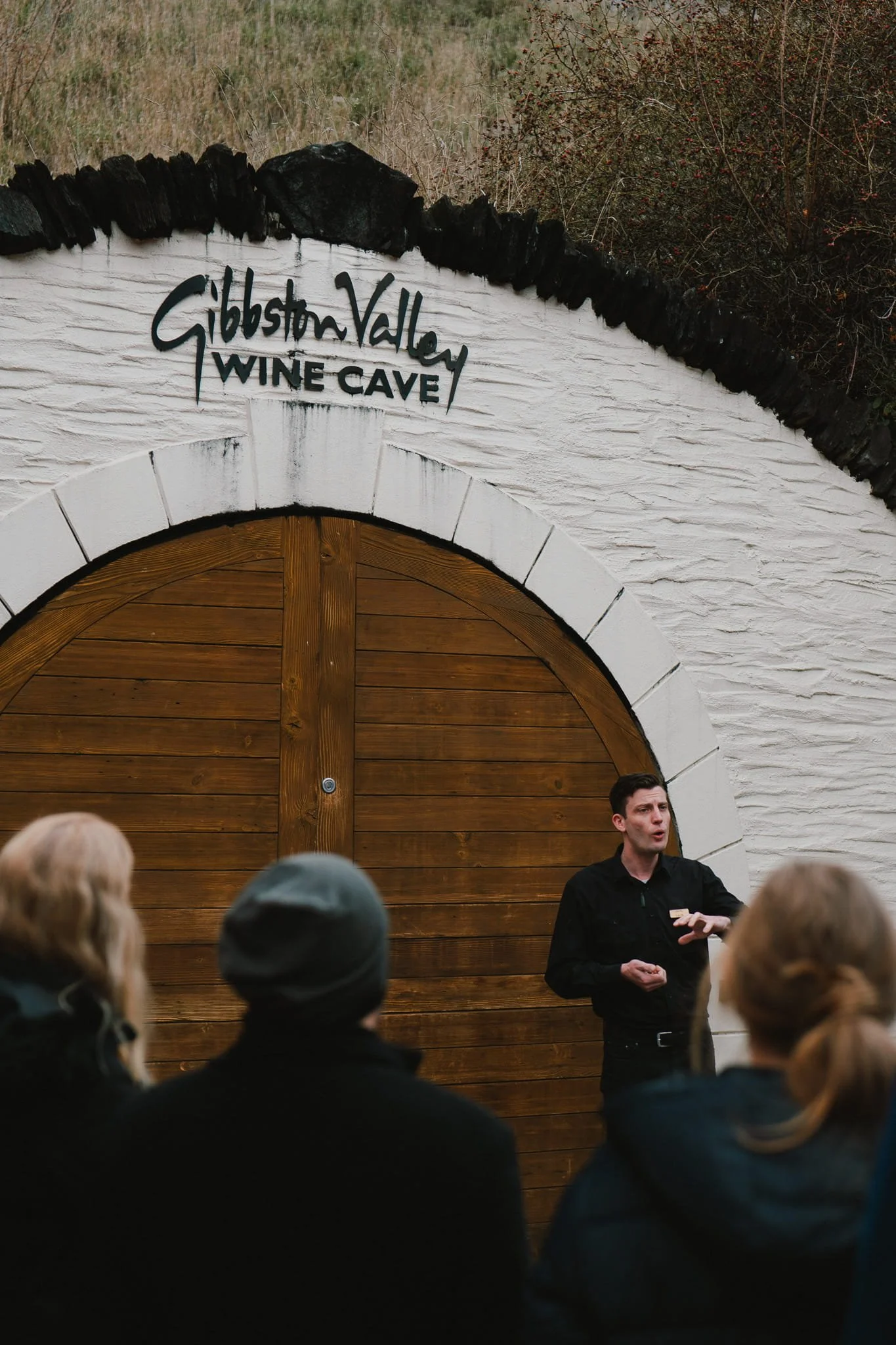
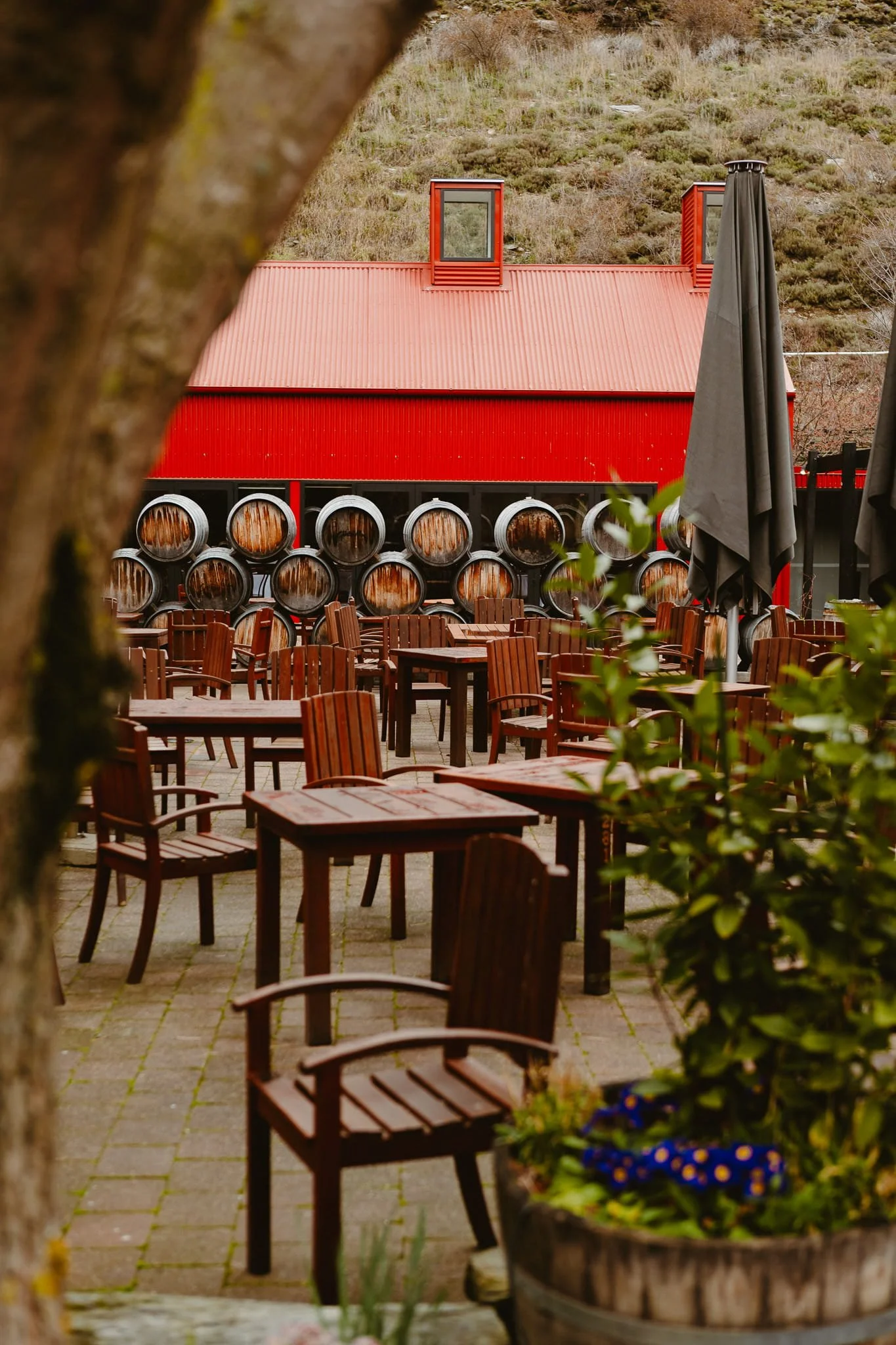
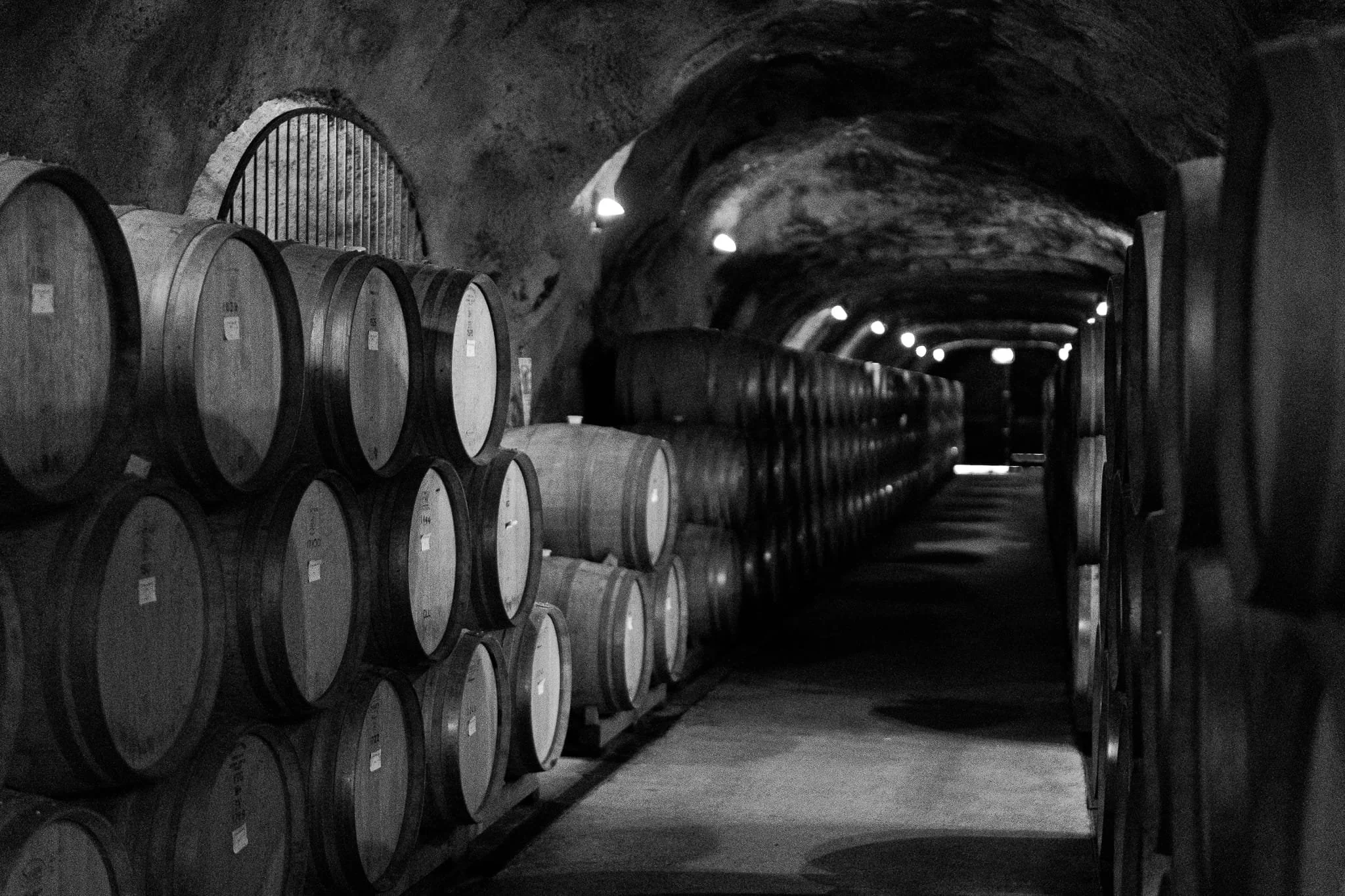
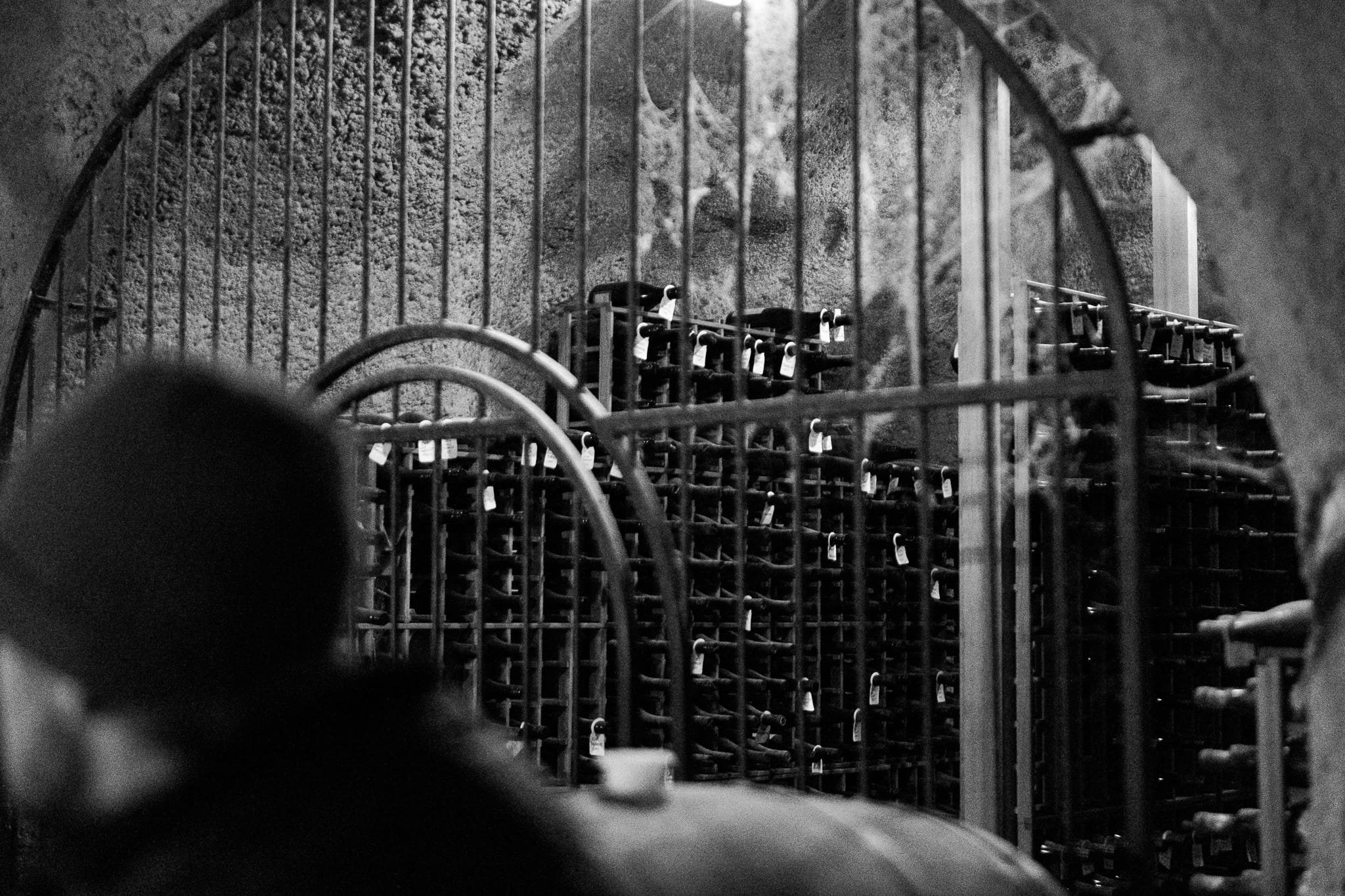
Our first stop was Gibbston Valley Winery, where the story of Central Otago wine effectively begins. In the early 1980s, pioneers like Alan Brady planted vines here despite being told the region was too cold, too high and too far south to grow wine. They were proved right, and in 1987 Gibbston Valley produced the first commercial release of Pinot Noir from the region. Today Central Otago sits alongside Burgundy and Oregon as one of the world's great Pinot Noir regions. The winery is also home to New Zealand's largest wine cave, blasted into the schist mountainside and housing over 300 French oak barrels of ageing wine.
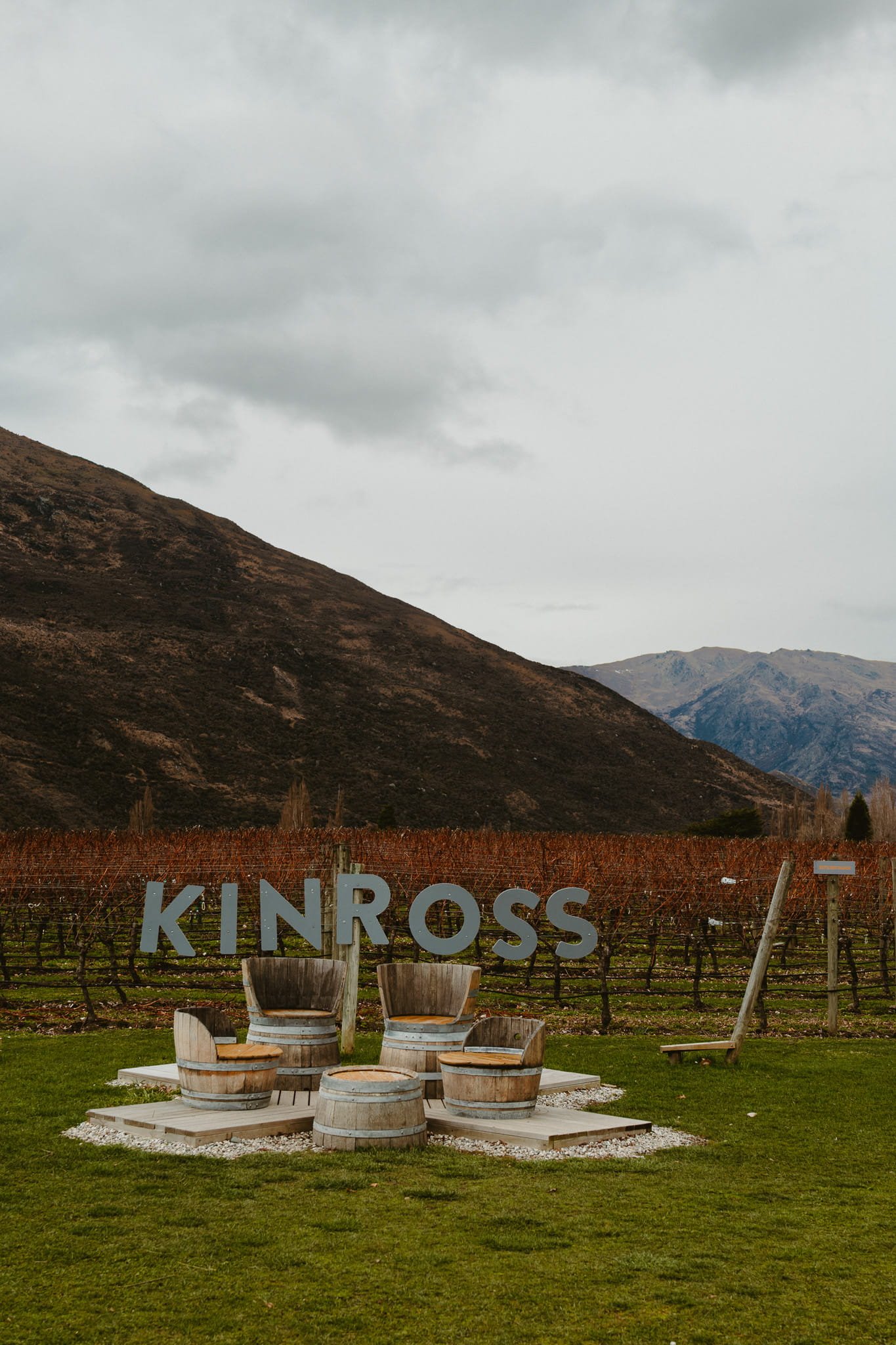
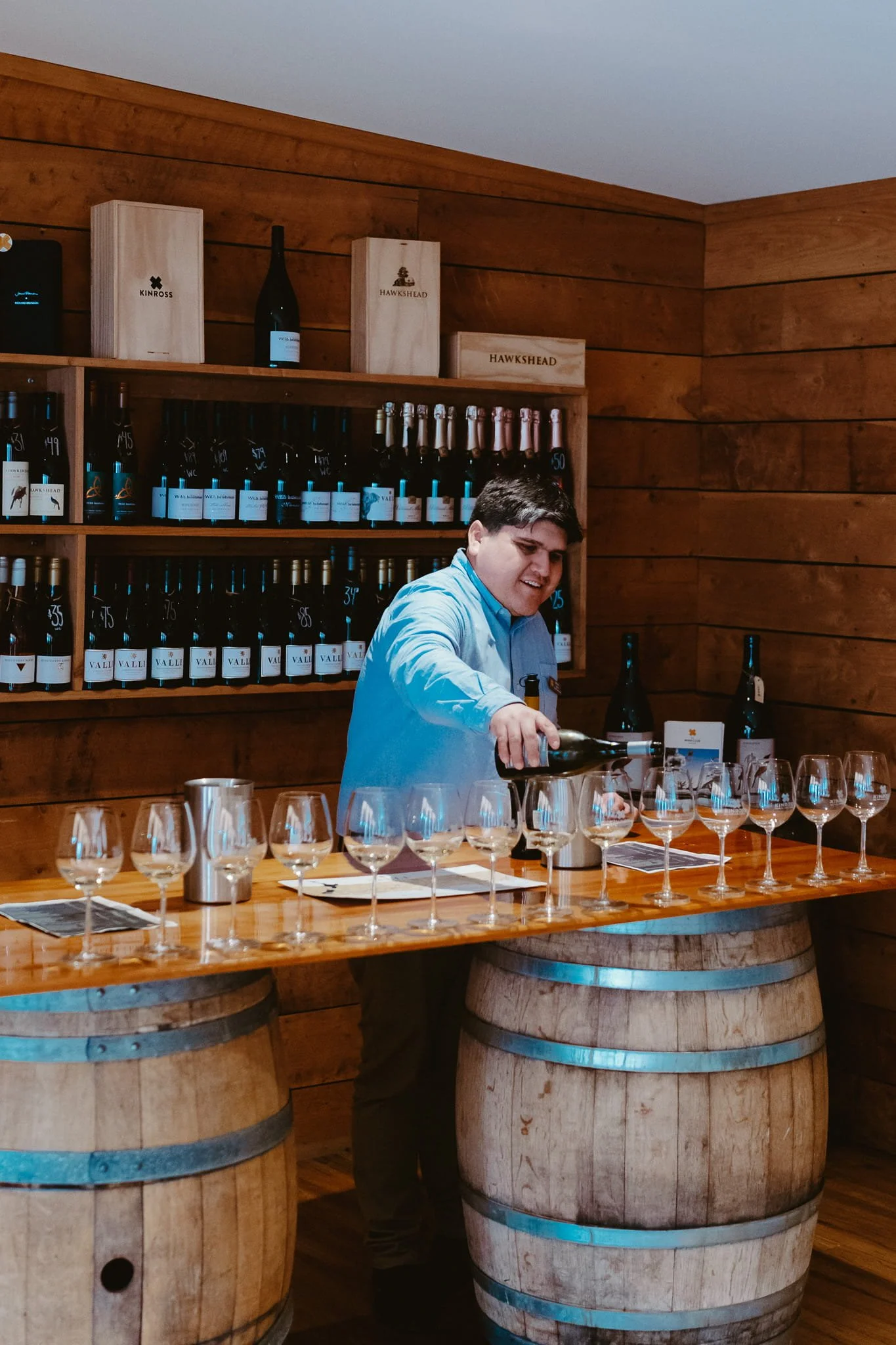
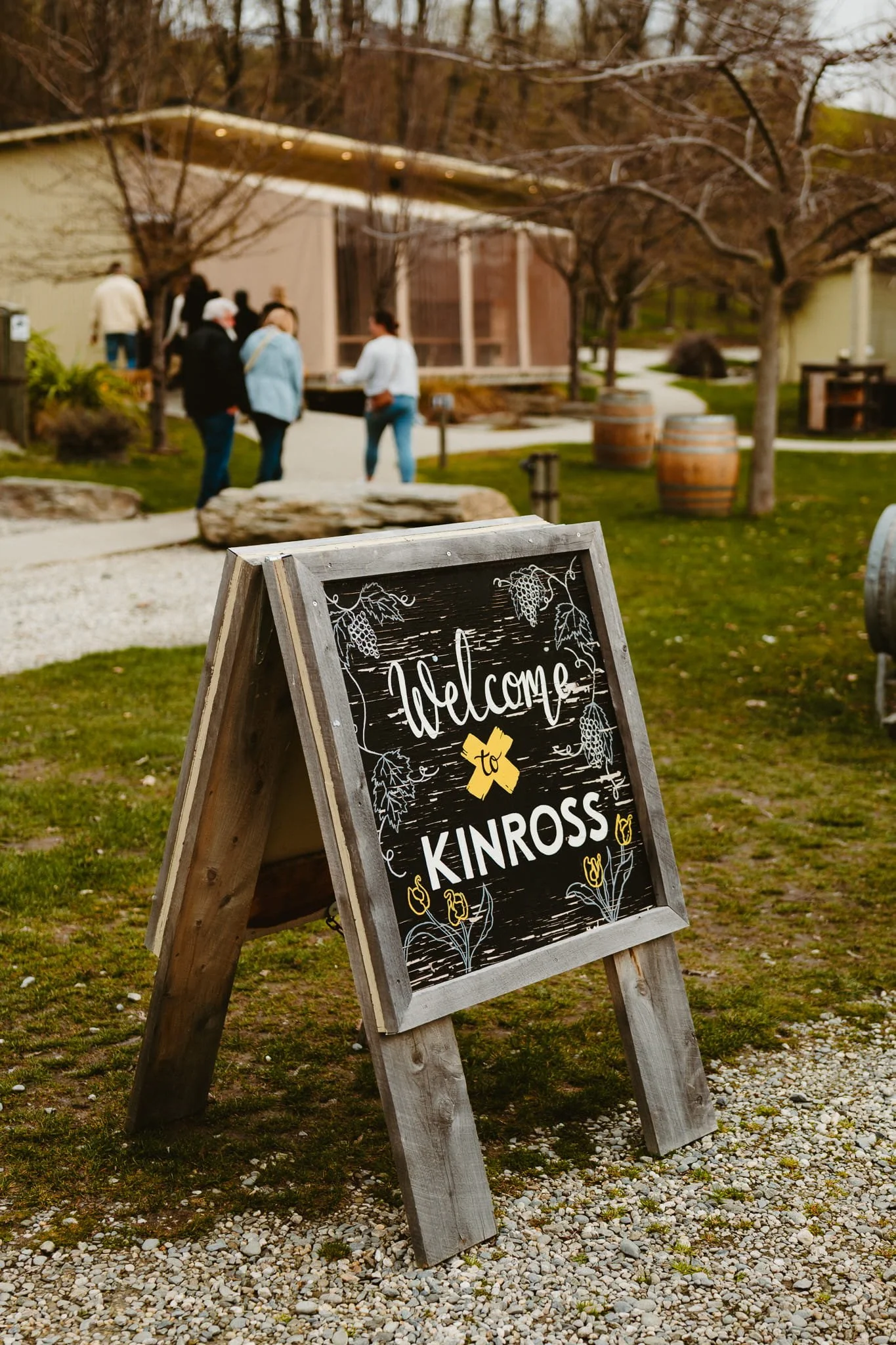
From there we moved to Kinross for lunch. The property sits on land first farmed in the 1860s by Scottish settler Thomas Kinross, who ran a general store and post office at the heart of the local gold rush community. Today Kinross operates as a cellar door for five local boutique wineries as well as its own label, making it one of the most distinct stops on any wine tour in the valley. In 2024 it was named New Zealand's best wine tourism experience at the Qualmark Awards. Lunch was served to the full tour group of twelve around a shared table, the kind of meal that ends up being one of the highlights of a trip.
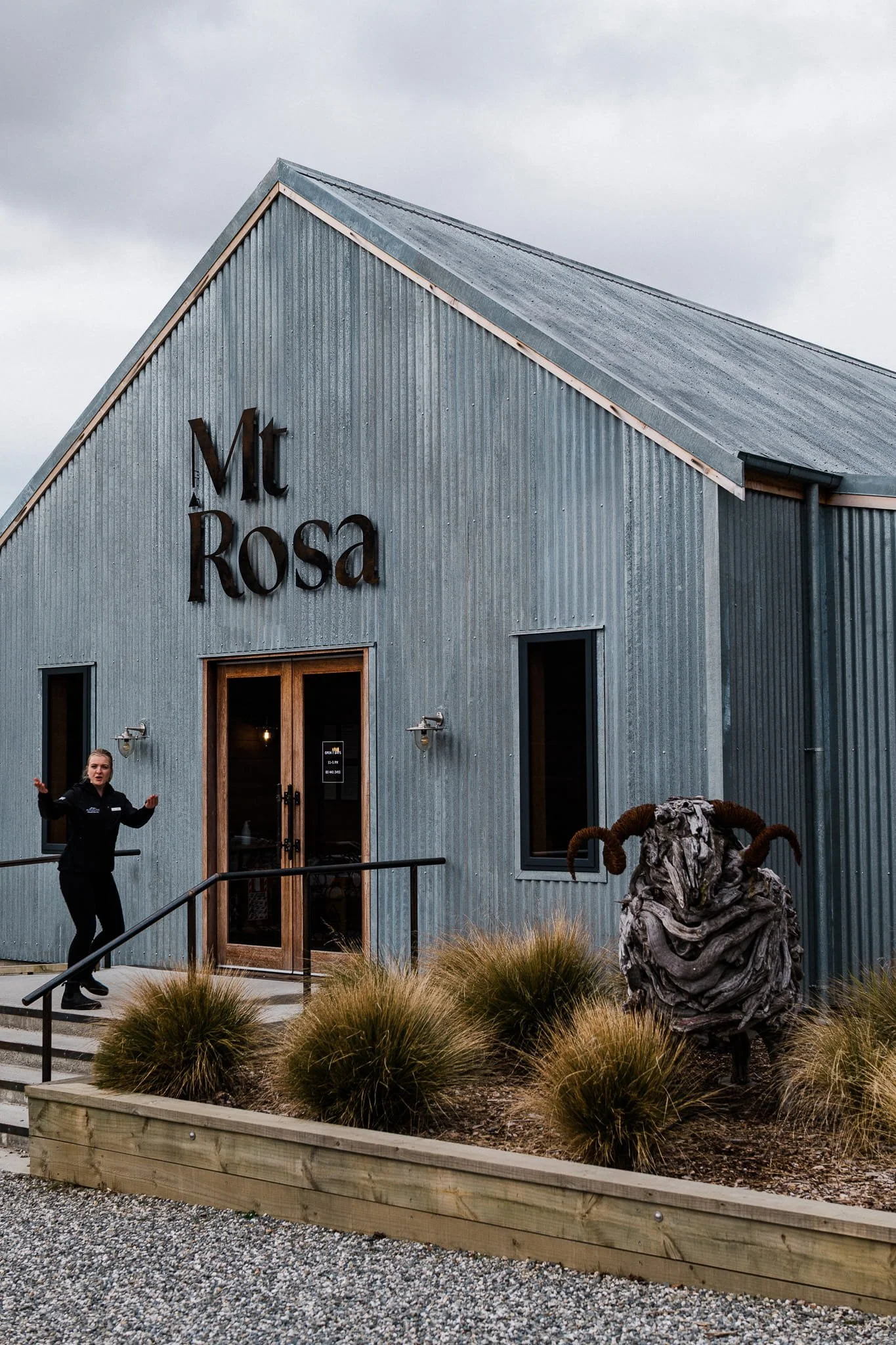
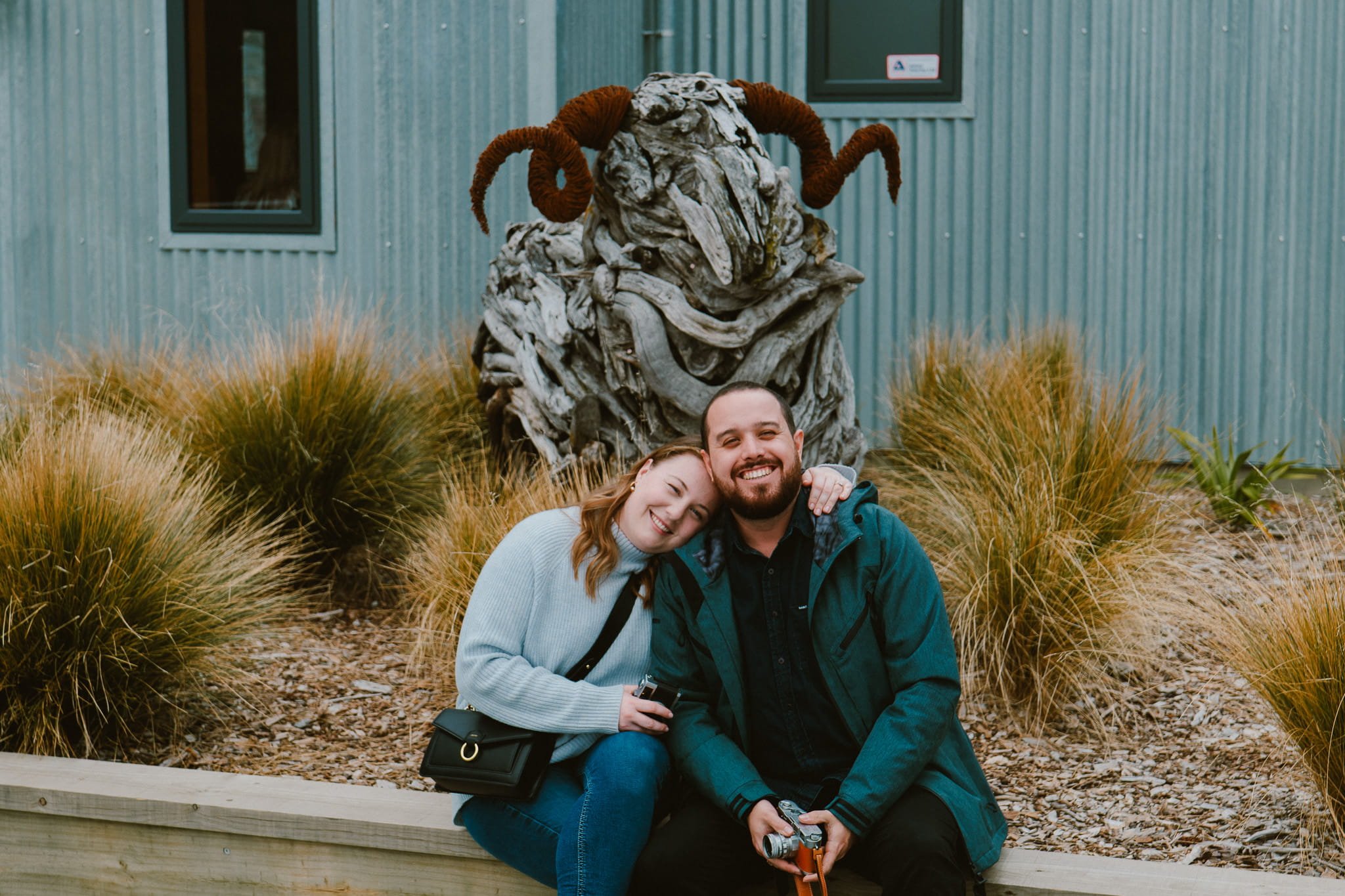
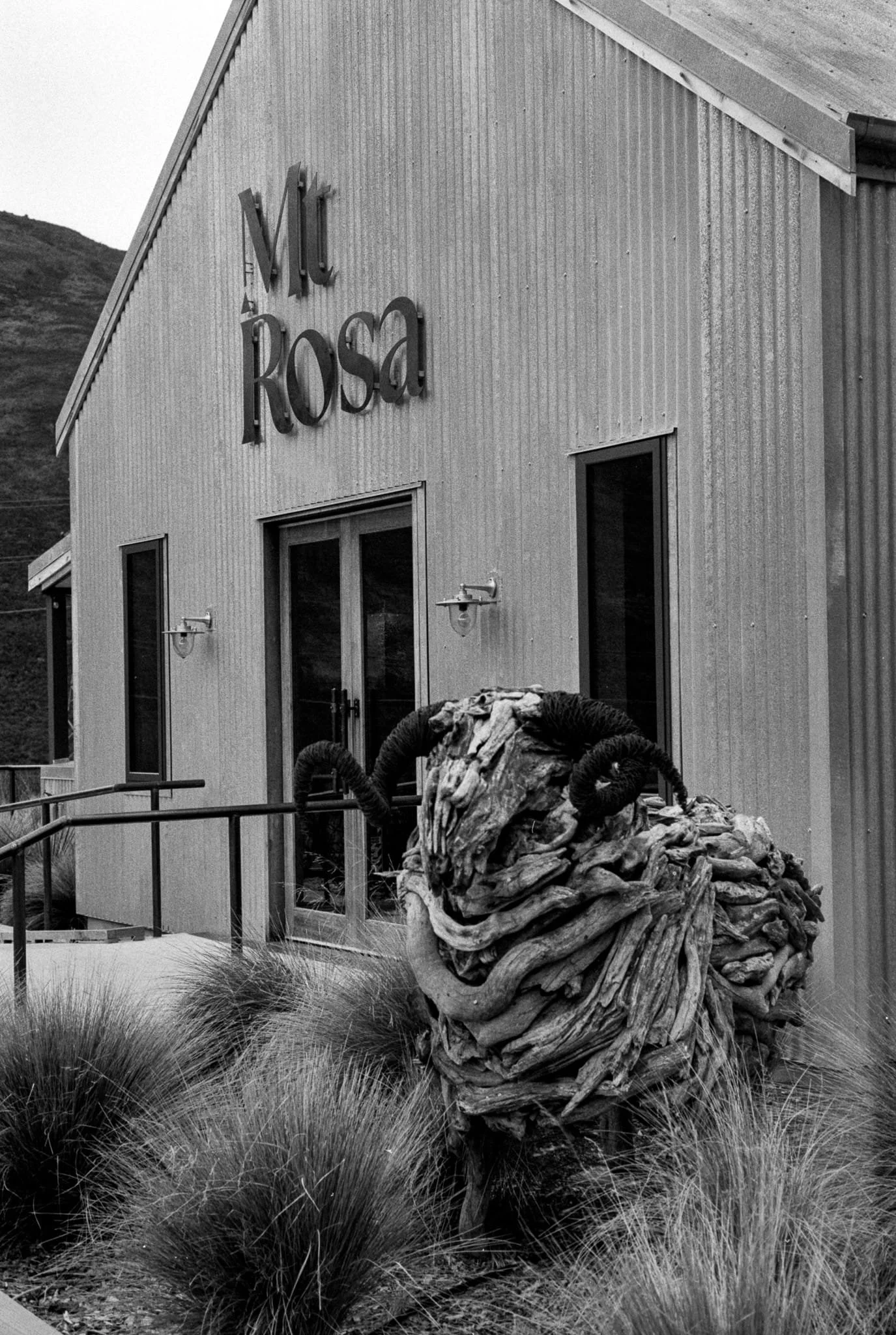
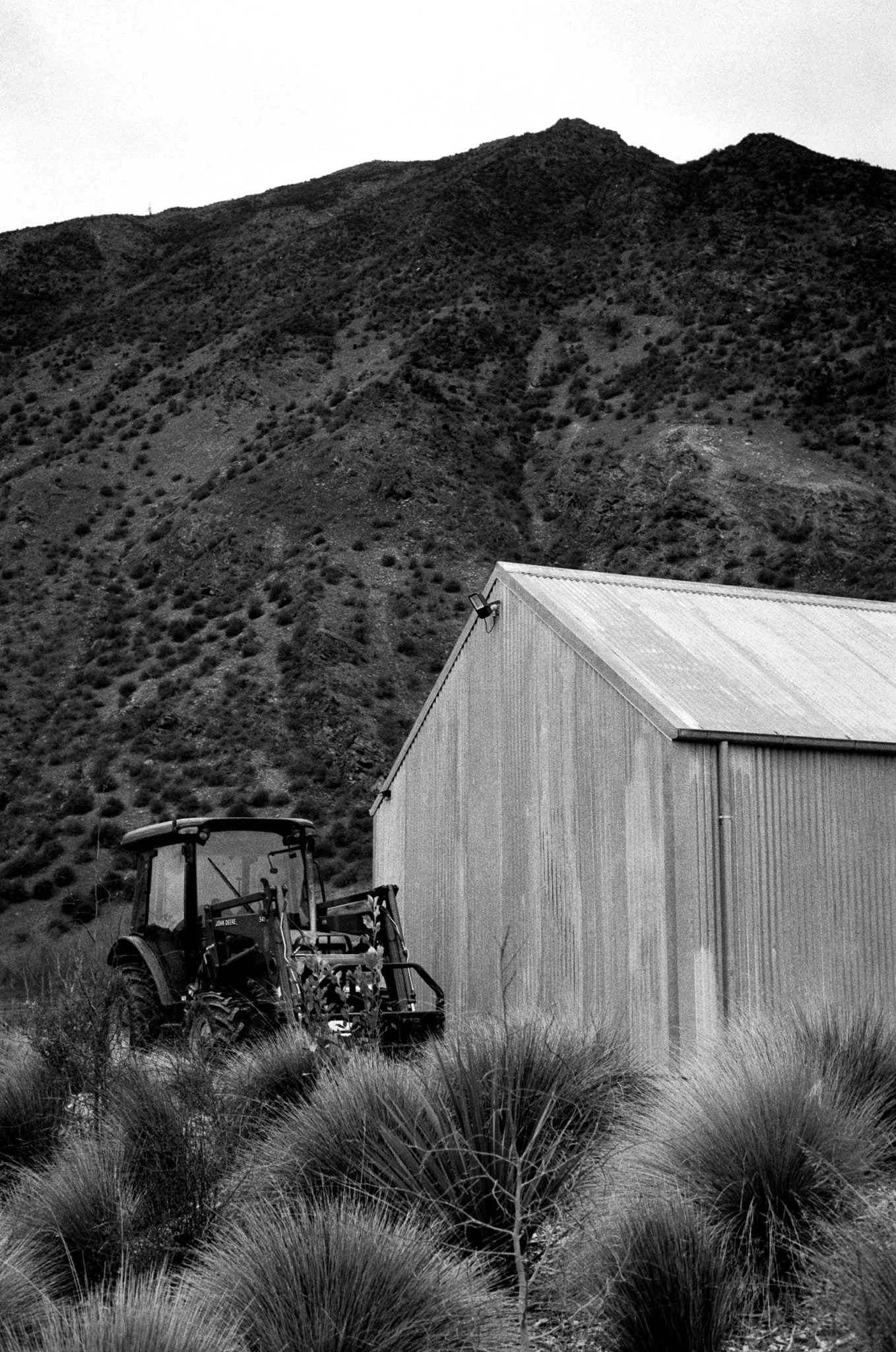
Mt Rosa was our third stop, a family owned winery with its own distinct origin story. The land was once part of the vast Kawarau sheep station, and in 2000, when wool prices were declining, the Boanas family made the call to send the sheep off and plant vines instead. Everything poured at Mt Rosa is grown onsite at one of the highest vineyard positions in Gibbston, and you can taste that in the wines.
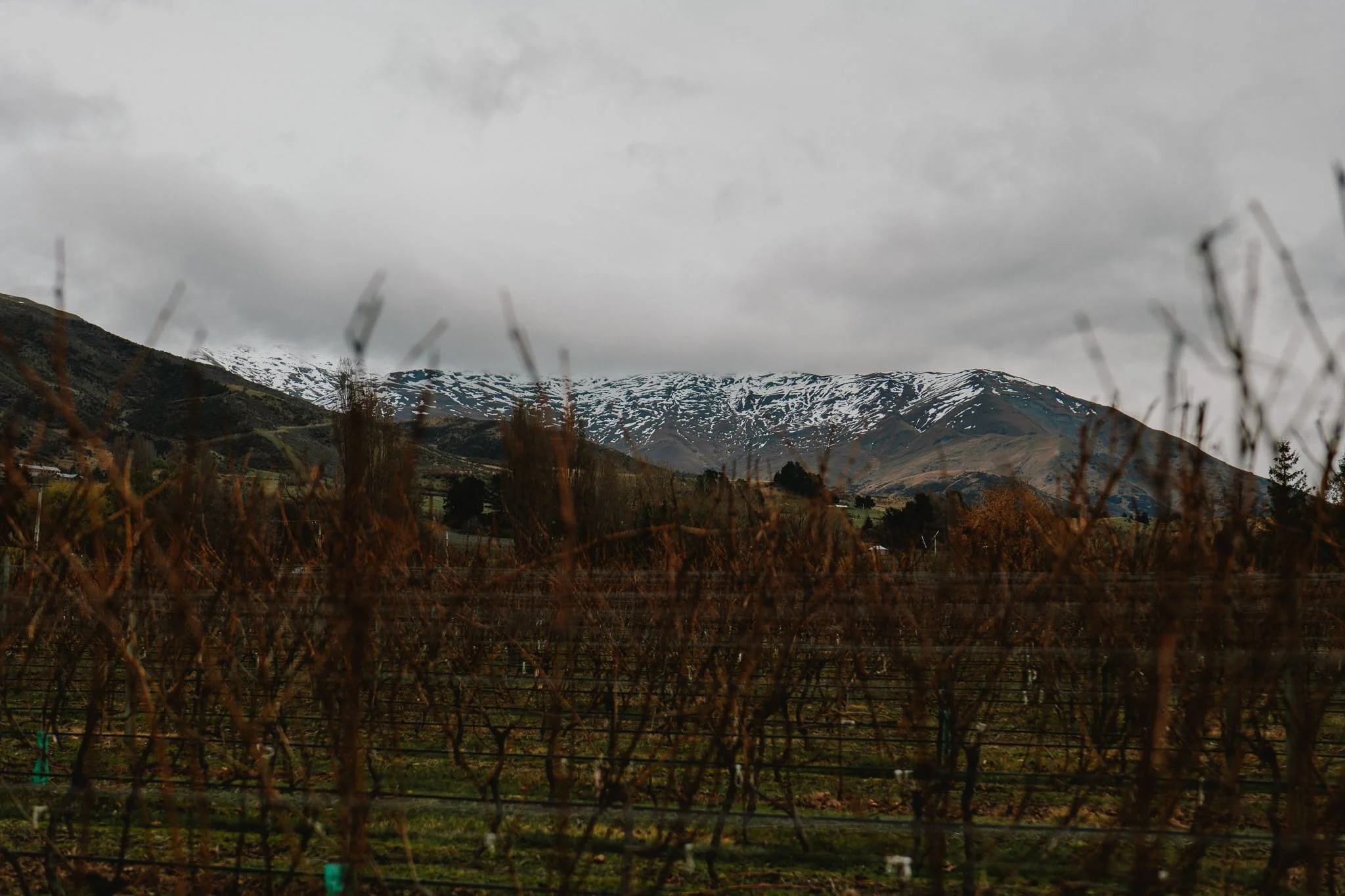
We finished at Brennan, a boutique operation with some of the oldest vines in the region. The Brennan family have had land in Gibbston since the 1970s and planted their first vines in 1994. Today winemaker Sean Brennan produces small batch wines entirely from estate fruit, and the operation is registered with New Zealand Sustainable Winegrowers. Brennan has also taken the Best Red Wine trophy at the International Wine Challenge in London, which says something about what is coming out of this valley.
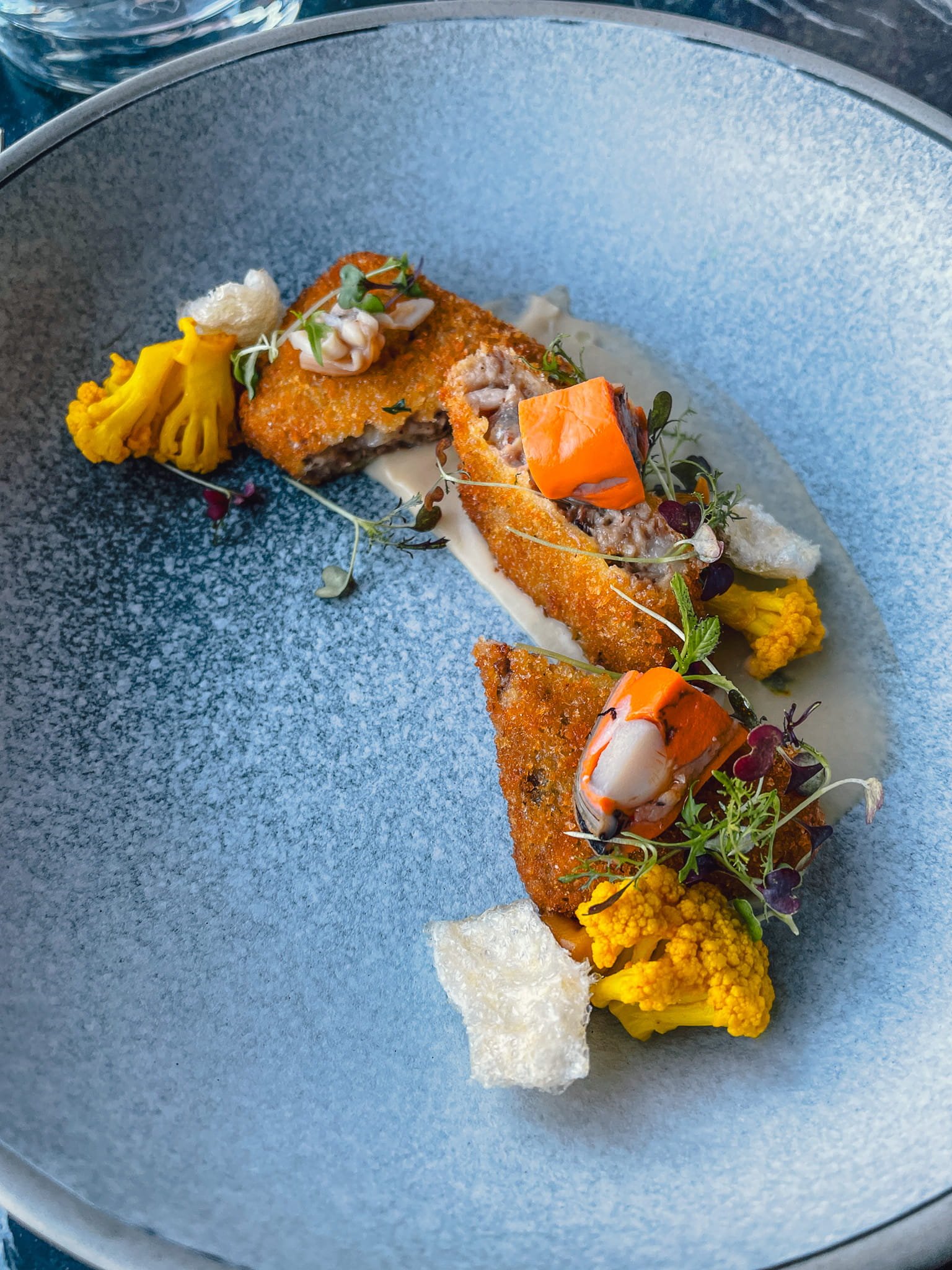
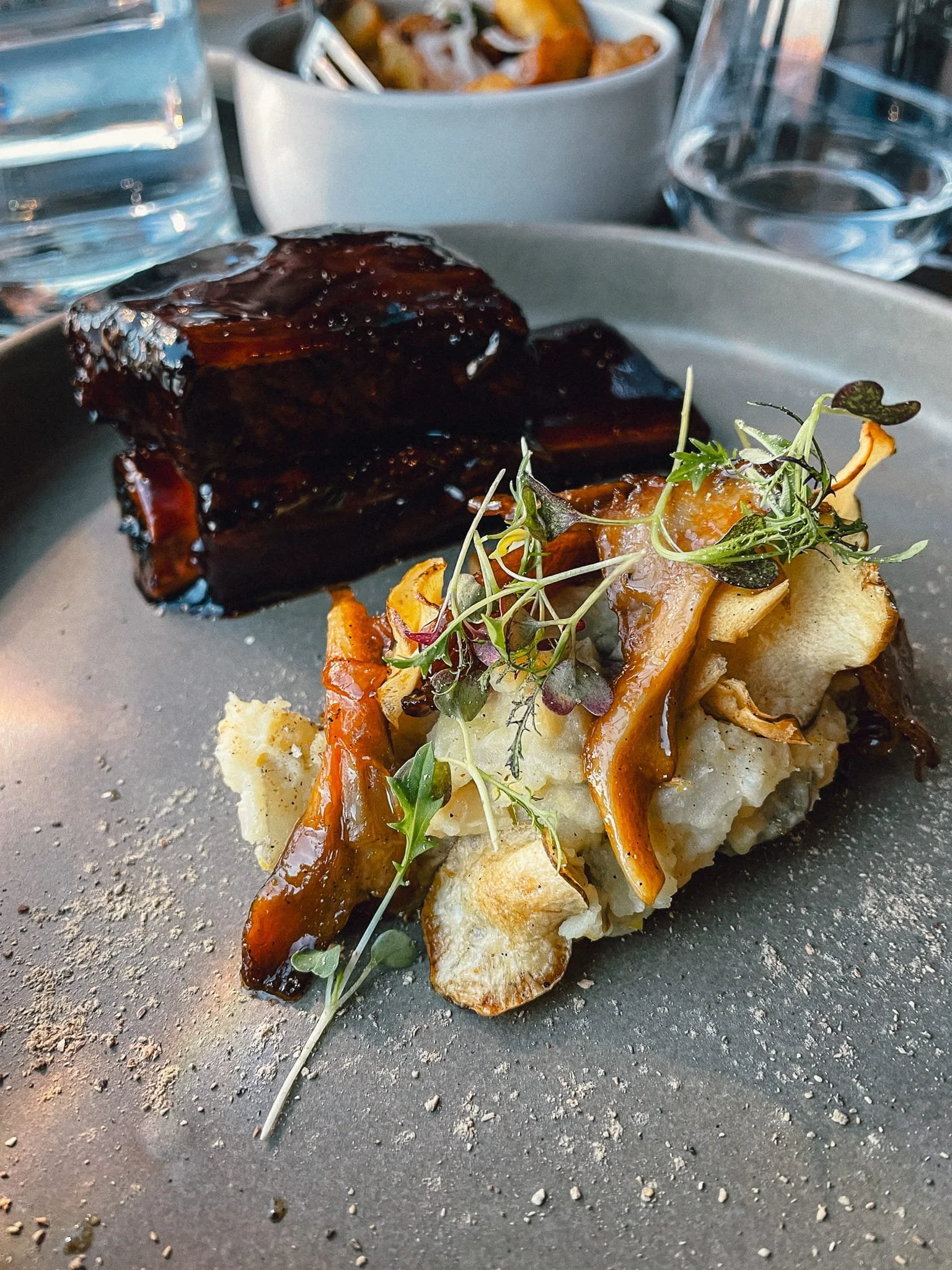
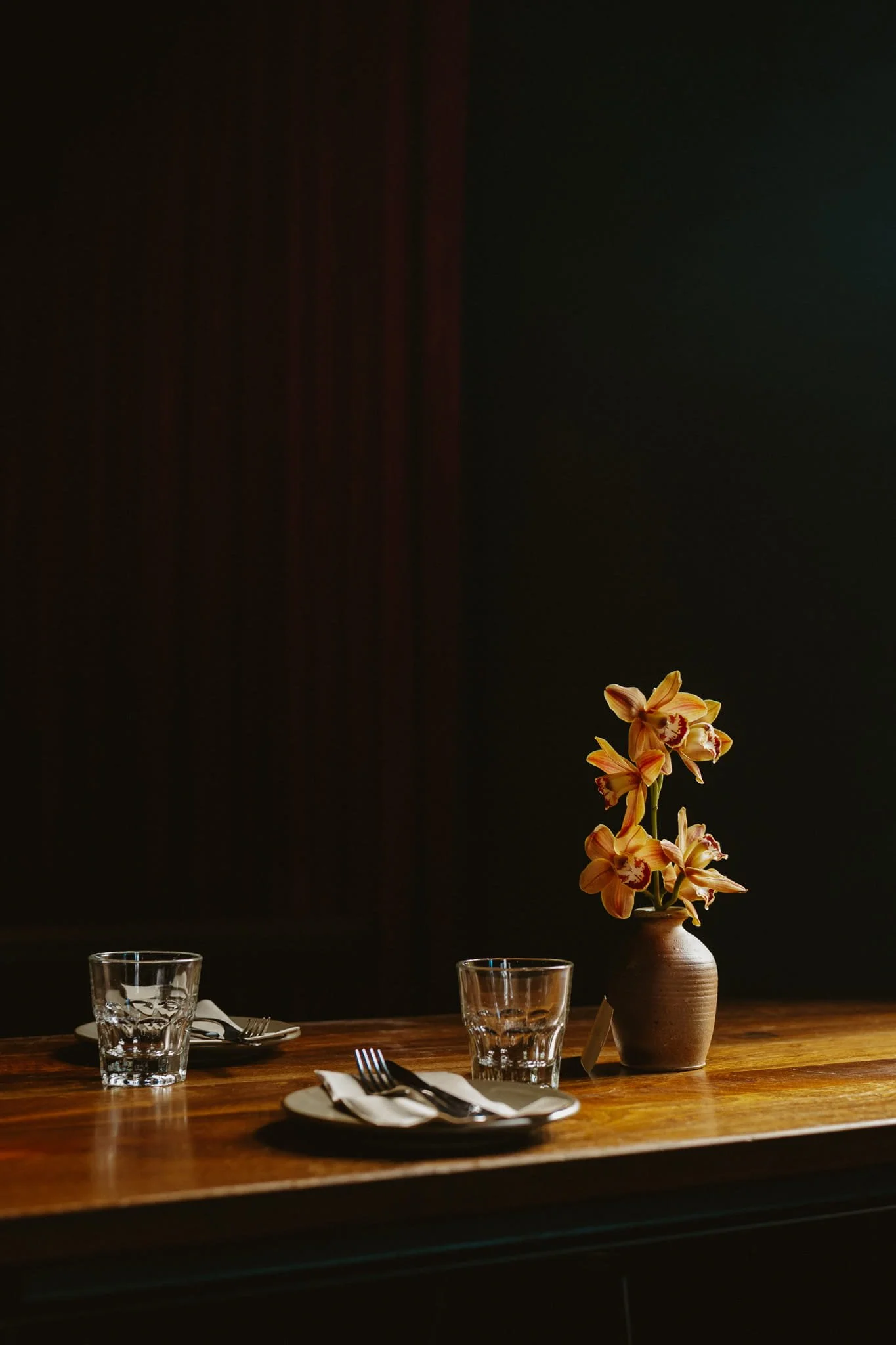
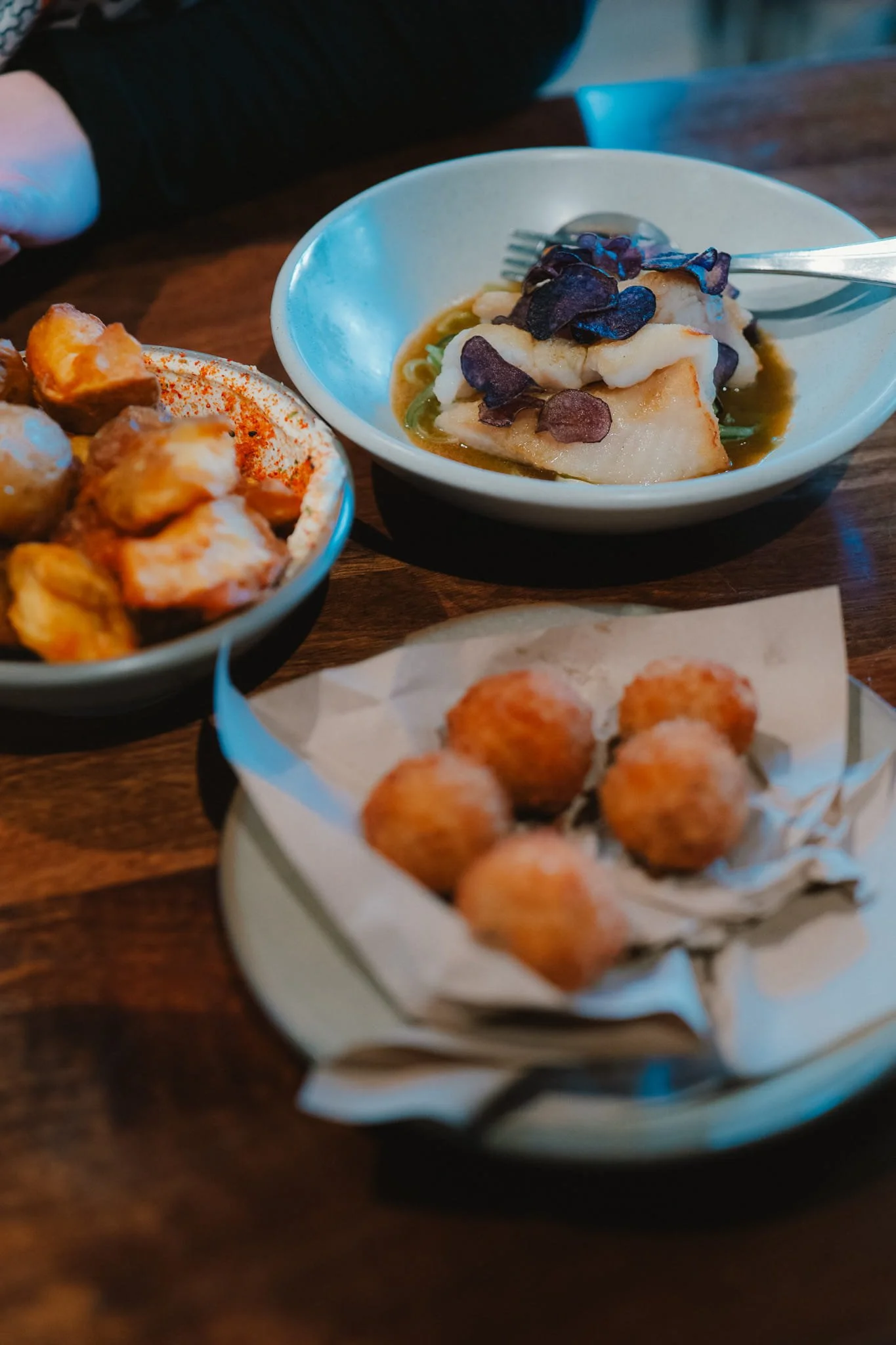
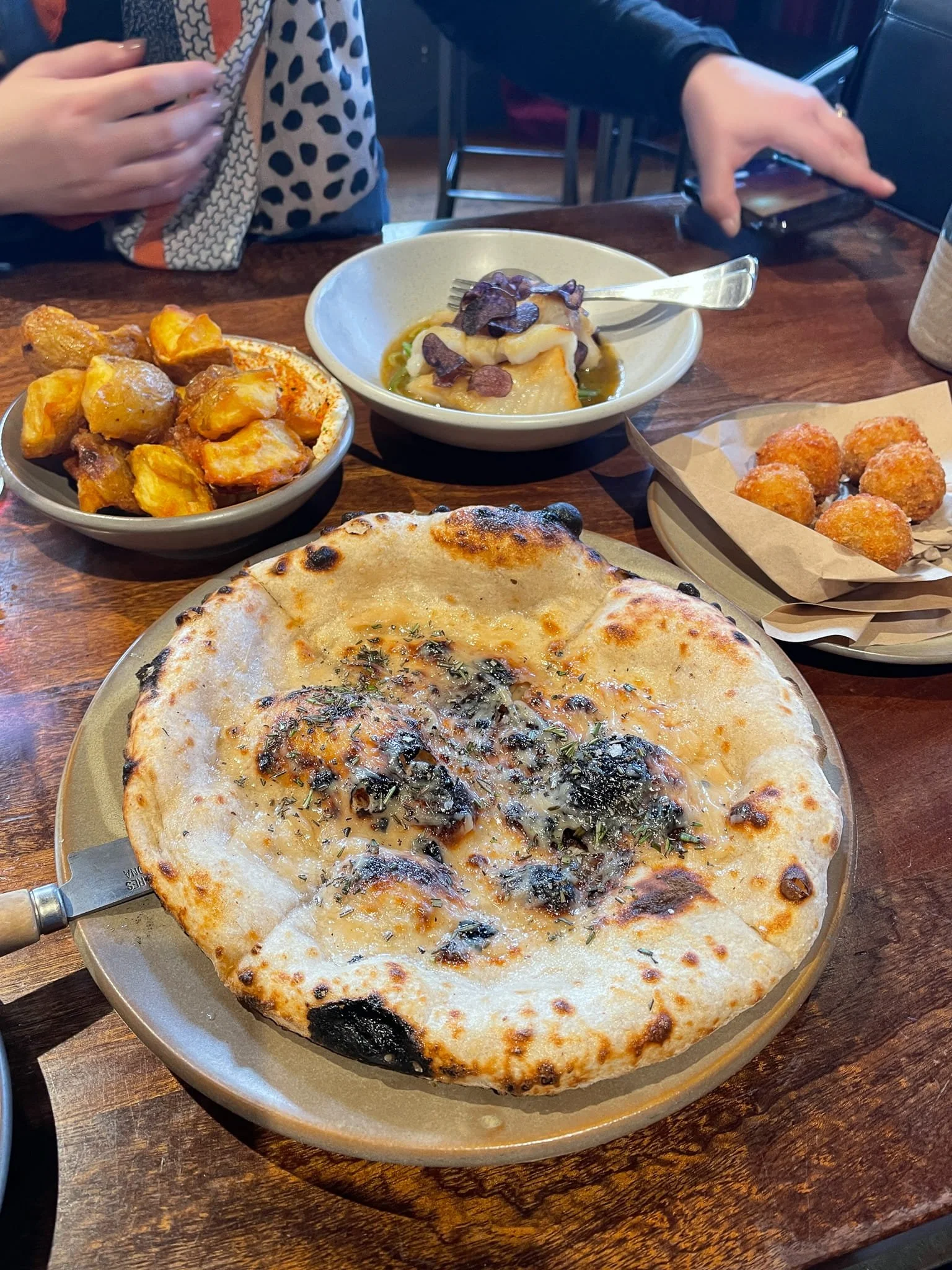
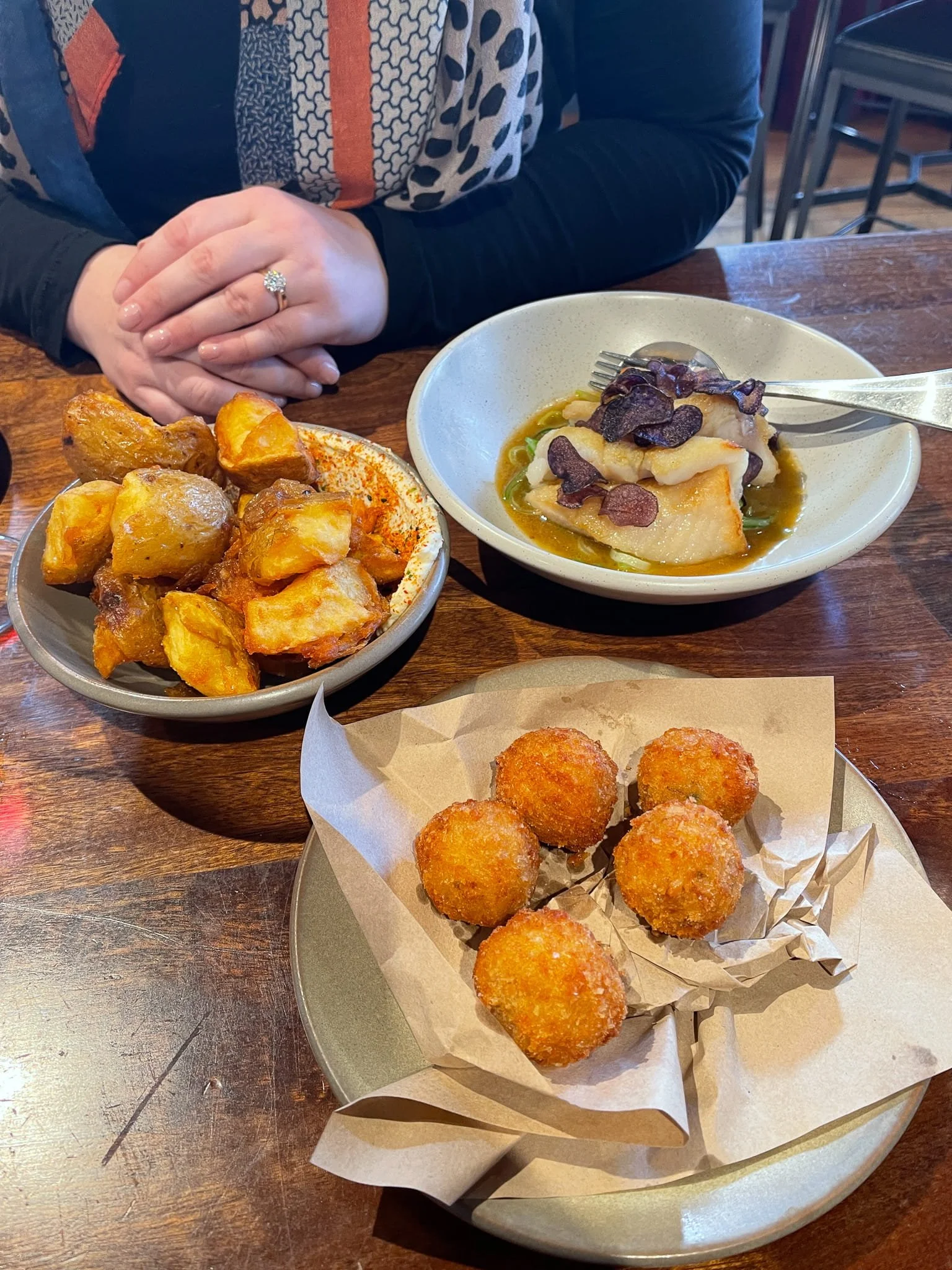
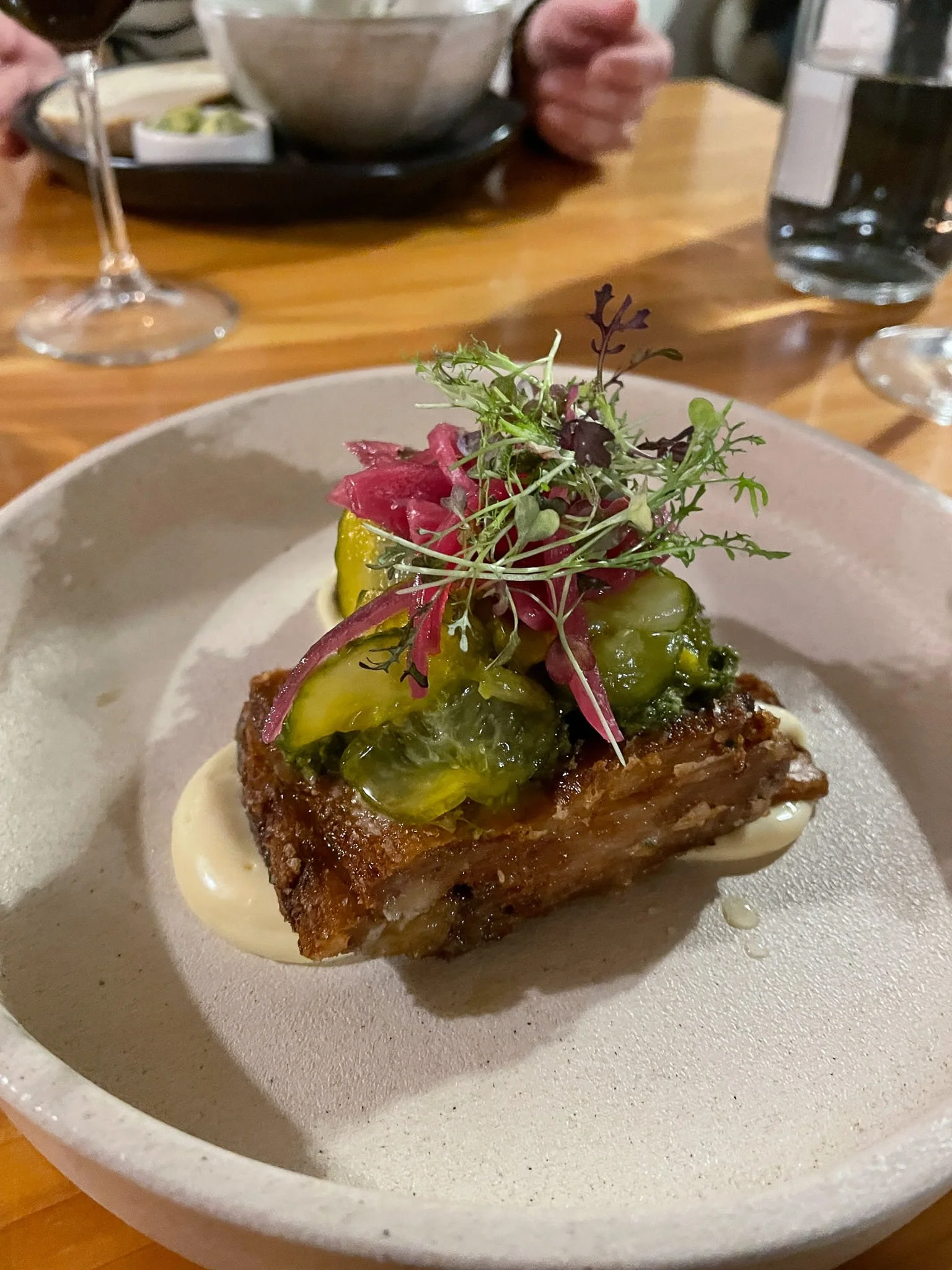
Sherwood came recommended by a colleague before we left and it is only five minutes from the centre of Queenstown, which makes it an easy lunch or dinner stop rather than a detour. If you are looking for somewhere to stay, Sherwood is also a full hotel and venue sitting on the hillside with views over Lake Wakatipu and the Remarkables. The restaurant draws from a kitchen garden on the property that supplies over 40 per cent of the green produce on the menu, and you can taste that in what arrives on the plate. The arancini were rich with flavour, the confit garlic and wild thyme wood-fired flatbread was one of those dishes you keep thinking about after the fact, and the roast potatoes were as crispy as you could hope for.
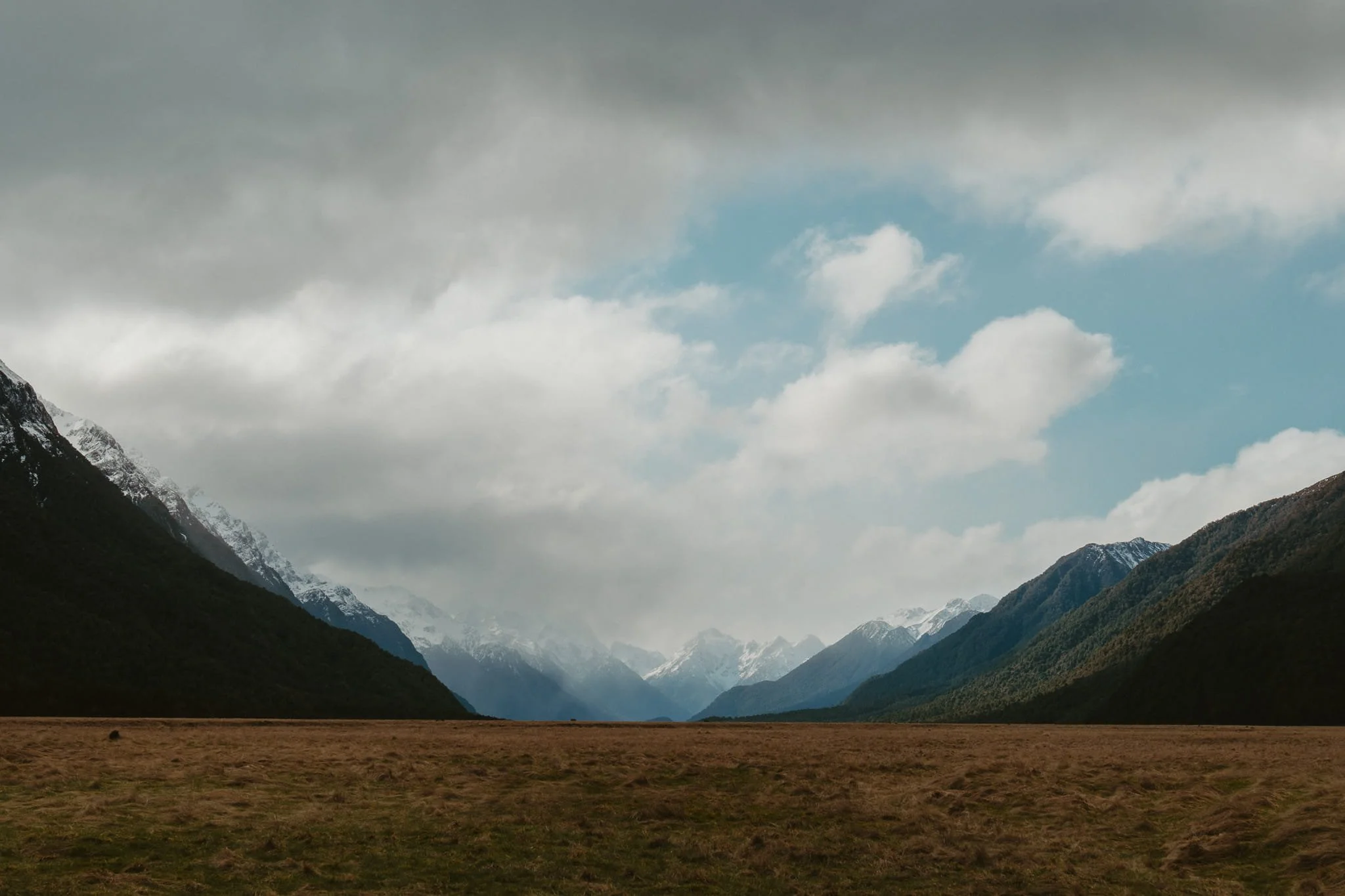
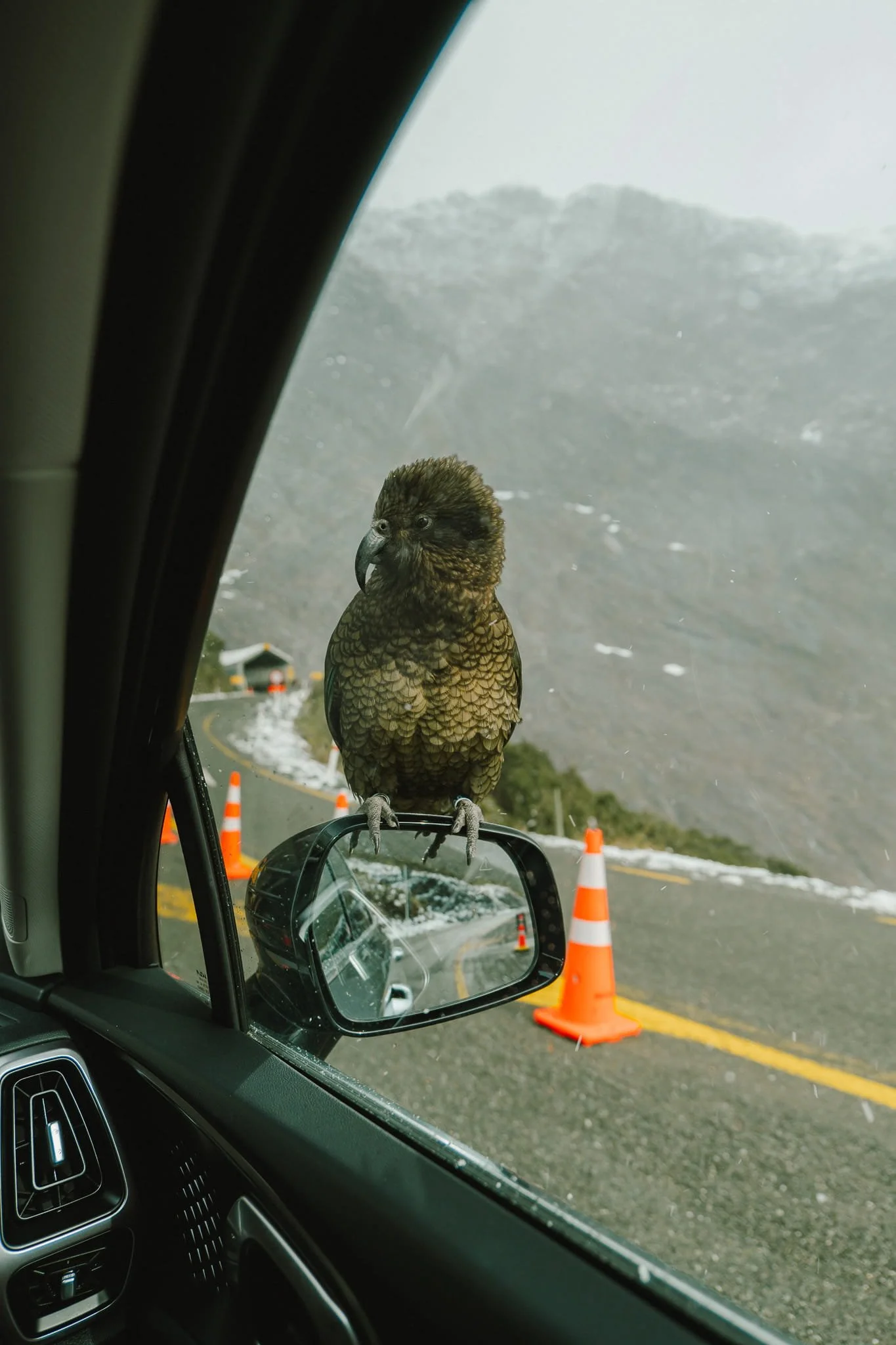
We knew we could not visit Queenstown without a trip to Milford Sound, and what better way than to drive ourselves and stay at the Milford Sound Lodge. The drive takes around three and a half hours as you follow the landscape around Lake Wakatipu and towards Te Anau, the last town before you head into the mountains and down towards Milford Sound. Winding between and even through the mountains, the road draws you deeper into Fiordland rather than cutting through it. This is the same thread that runs through Queenstown itself. The town, the airport, the roads, everything here is built where it fits rather than where someone planned it. A helicopter can cover the same distance in twenty minutes flying over the top. By road you earn the view gradually, and every direction you look demands your attention in a way that makes concentrating on driving genuinely difficult.
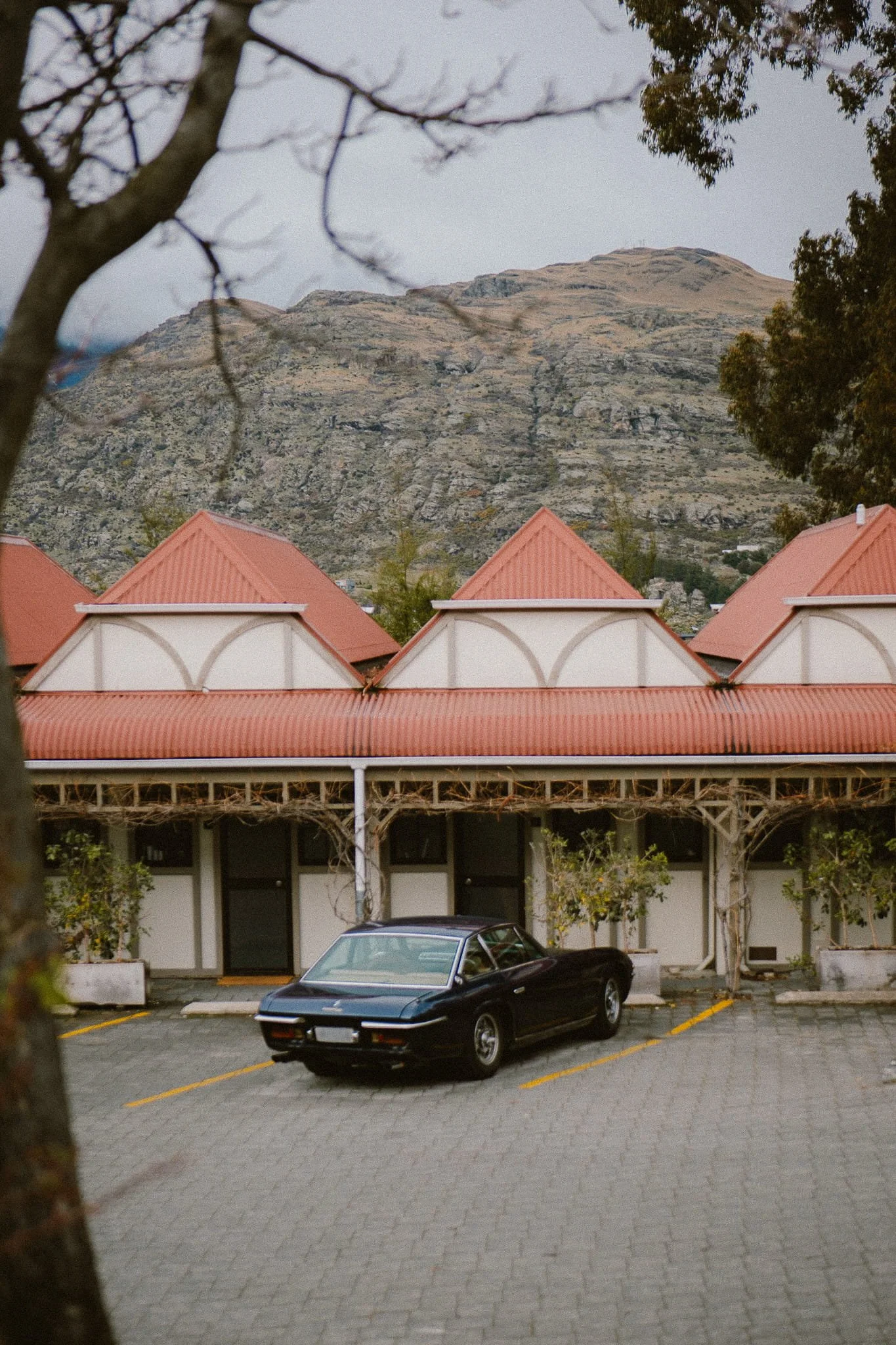
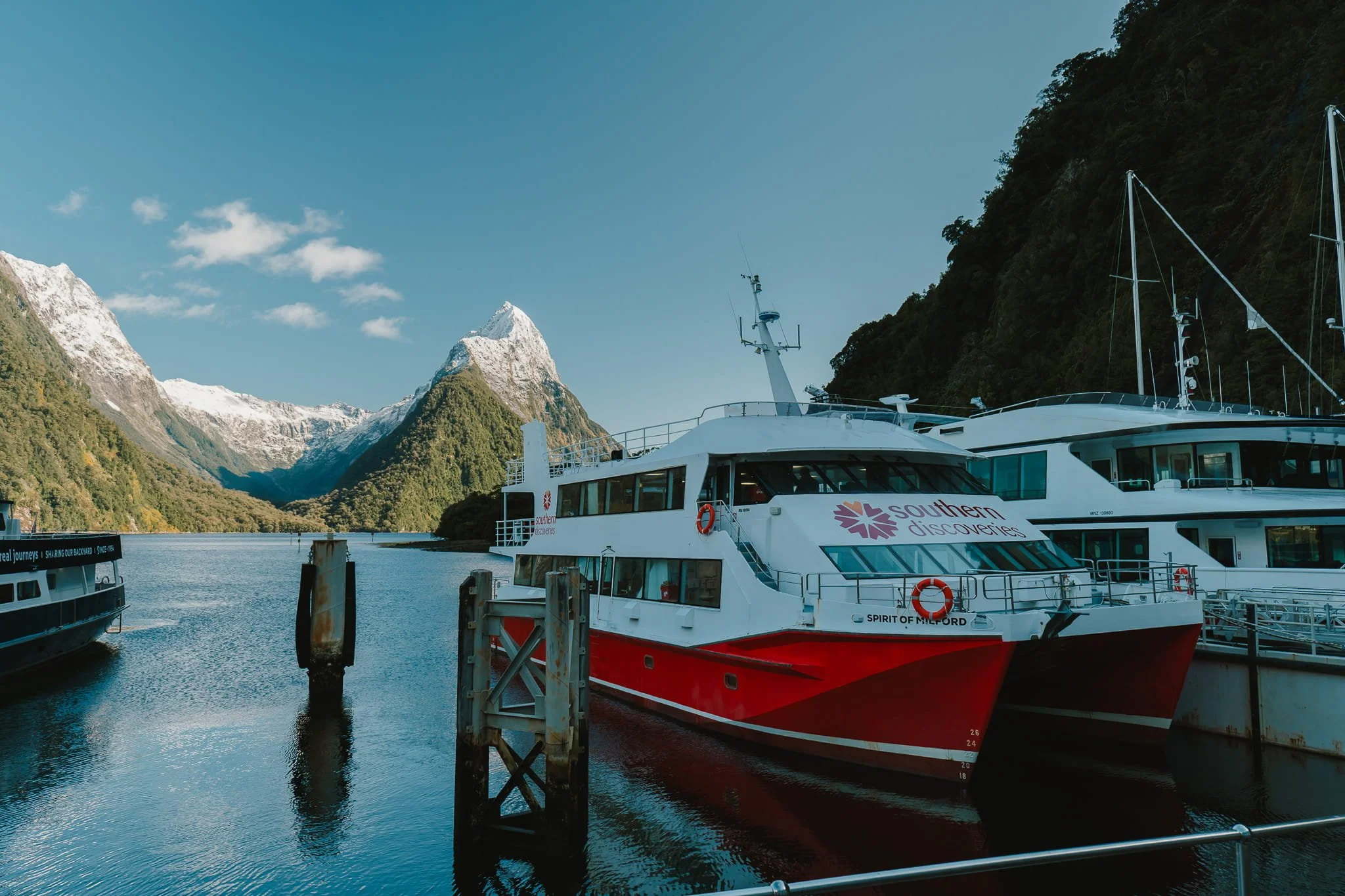
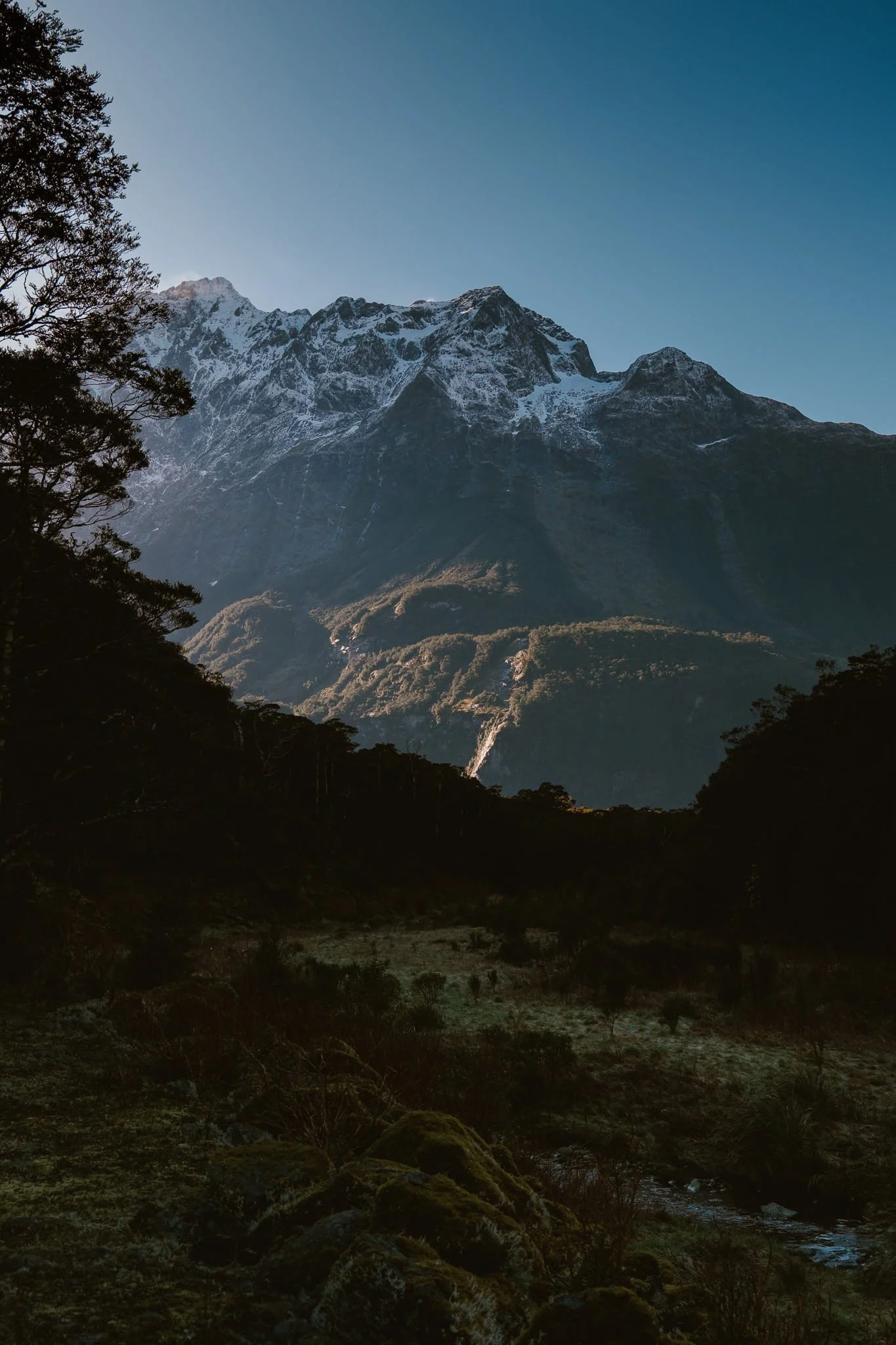
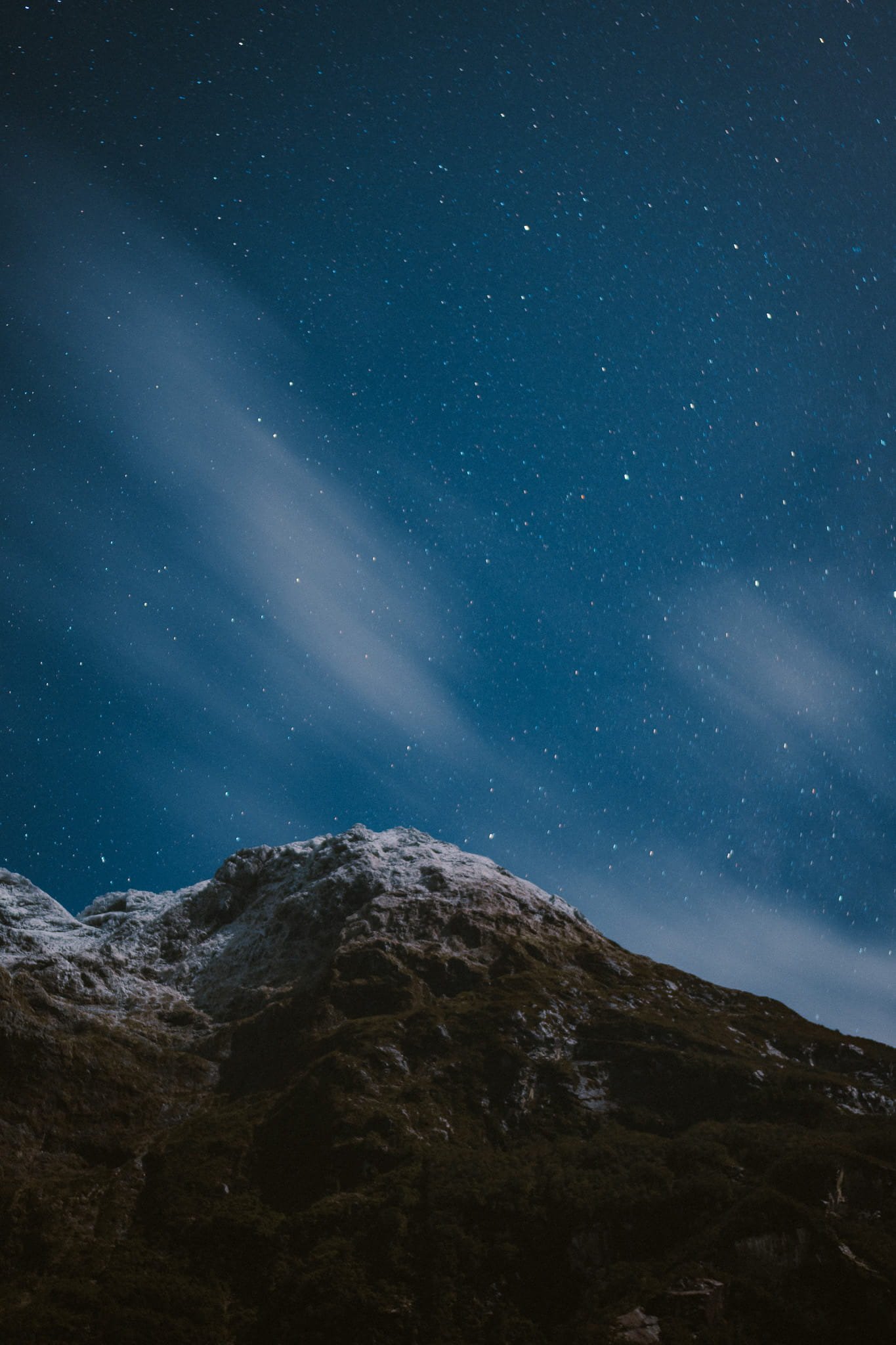
Milford Sound Lodge sits at the head of the Cleddau Valley and has been part of this landscape for ninety years. It began in 1935 as a workers camp housing the crew who built the Milford Road, the same road you just drove in on. Today it is the only accommodation at Milford Sound itself, transformed over the decades from a basic backpackers base into an eco-luxury lodge. Staying there puts you inside the fiord rather than visiting it. We had dinner at Pio Pio restaurant on site, and that evening I photographed the clouds rolling over the mountains in the dark. The next morning we woke to the sun coming over the peaks and into the valley, the kind of light that only happens when you are actually there for it.
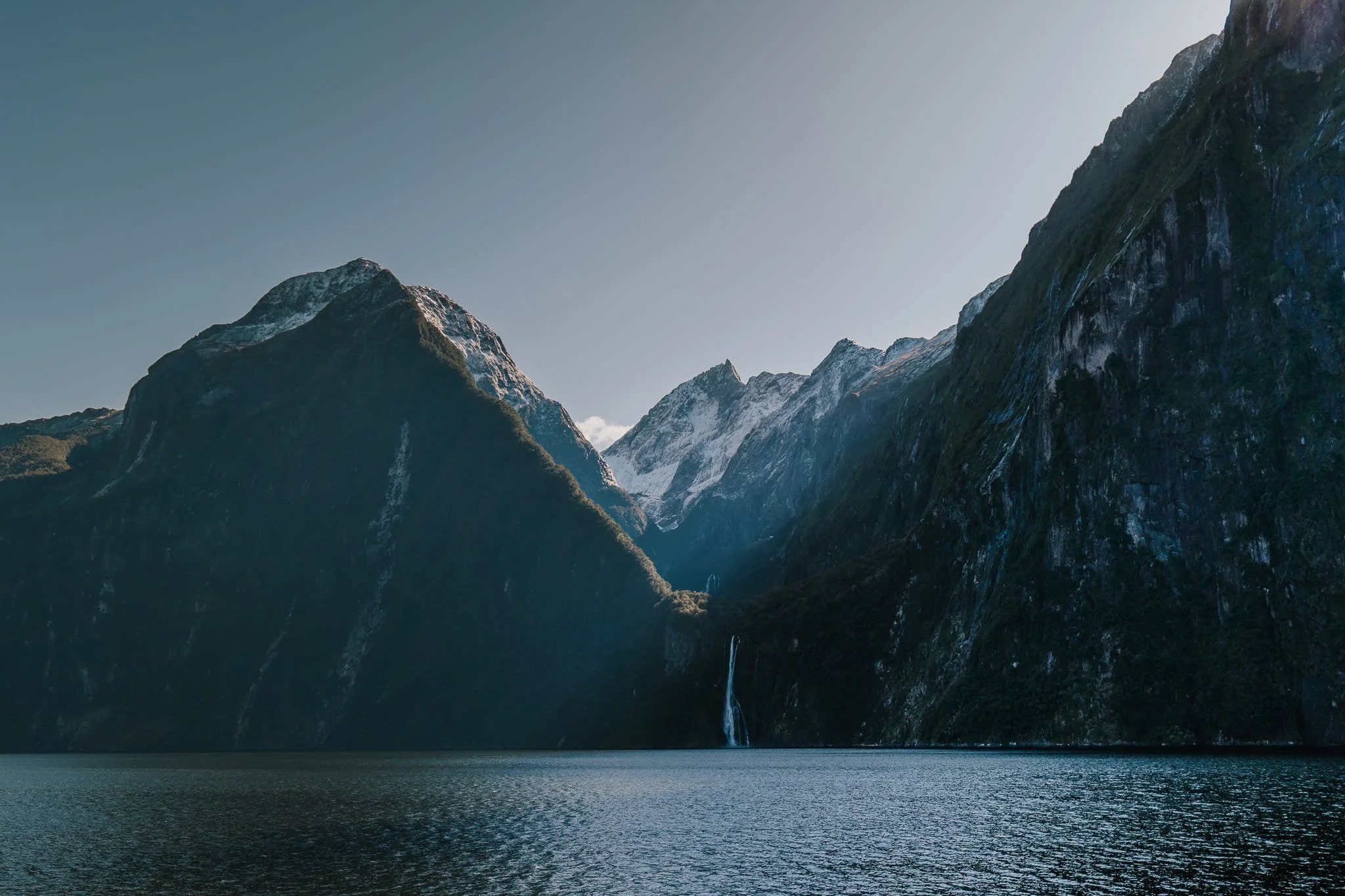
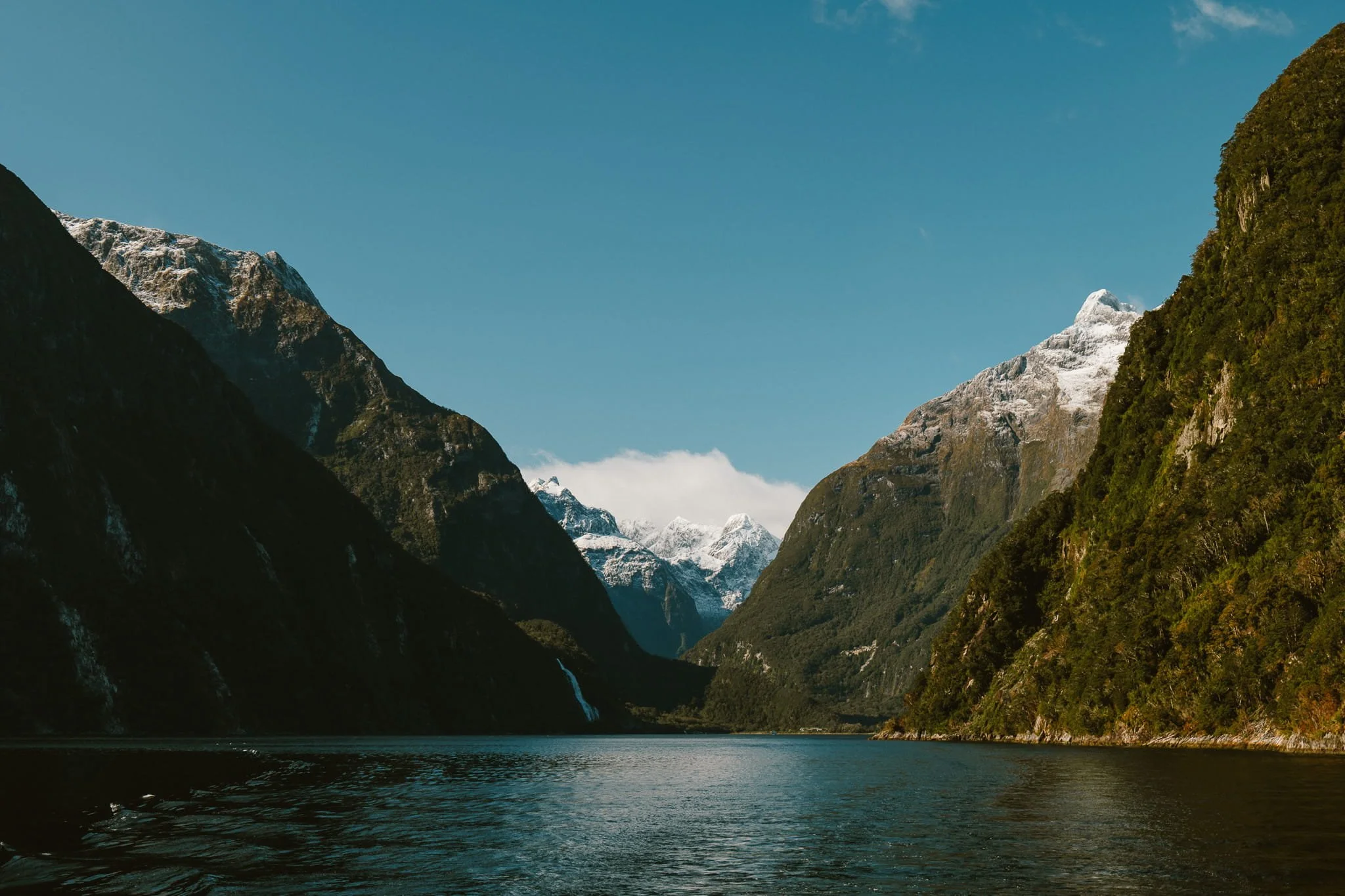
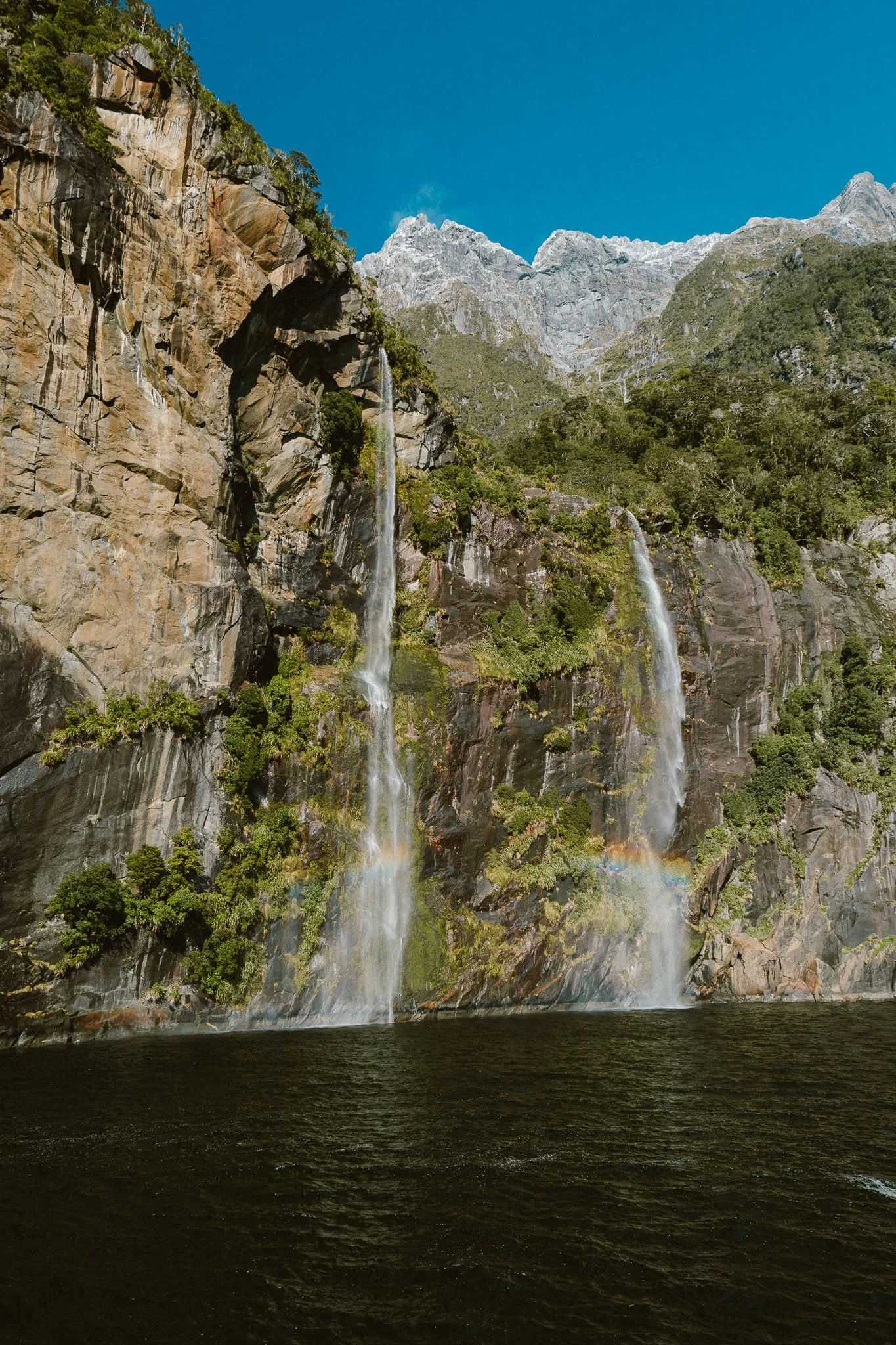
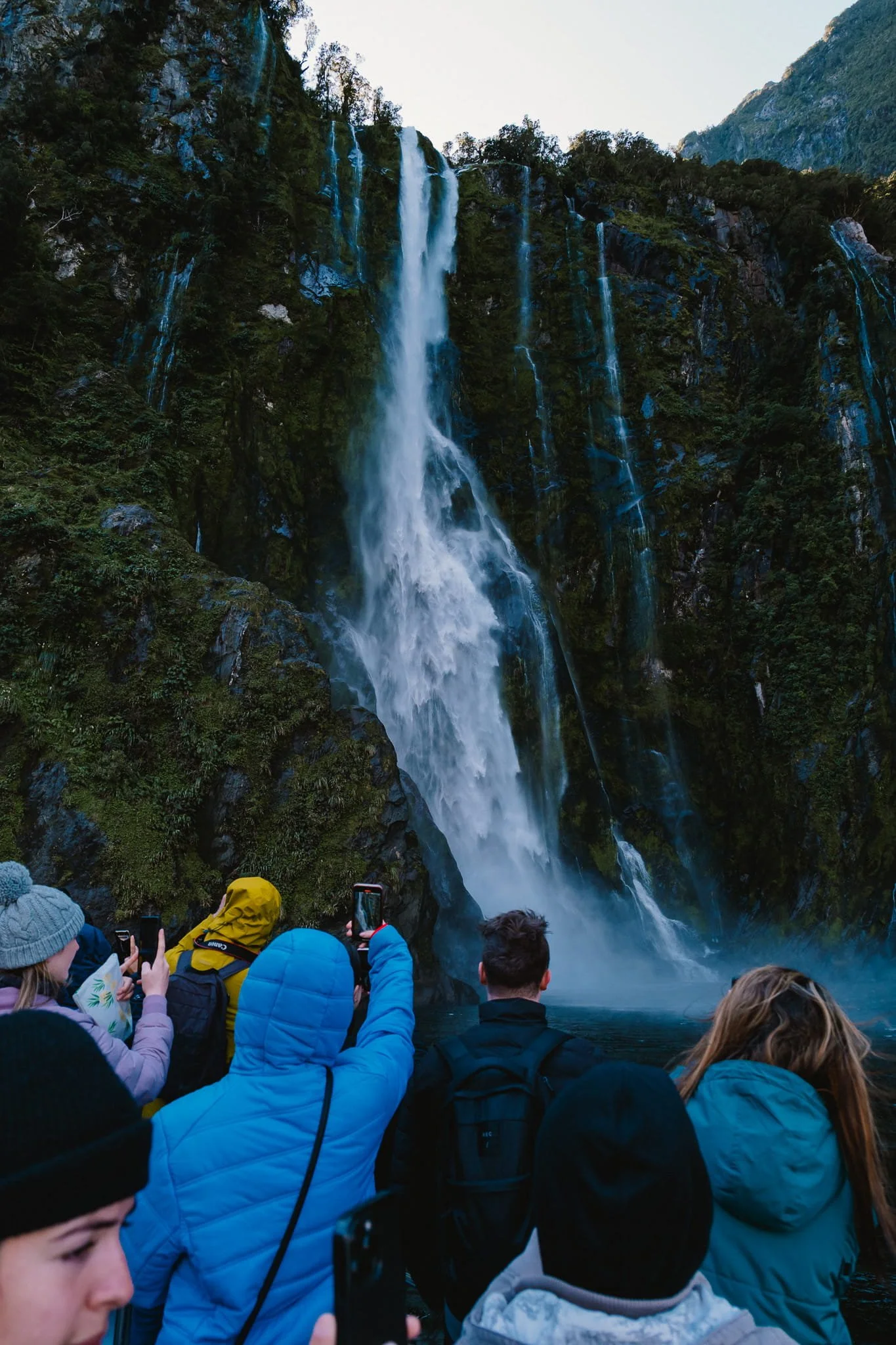
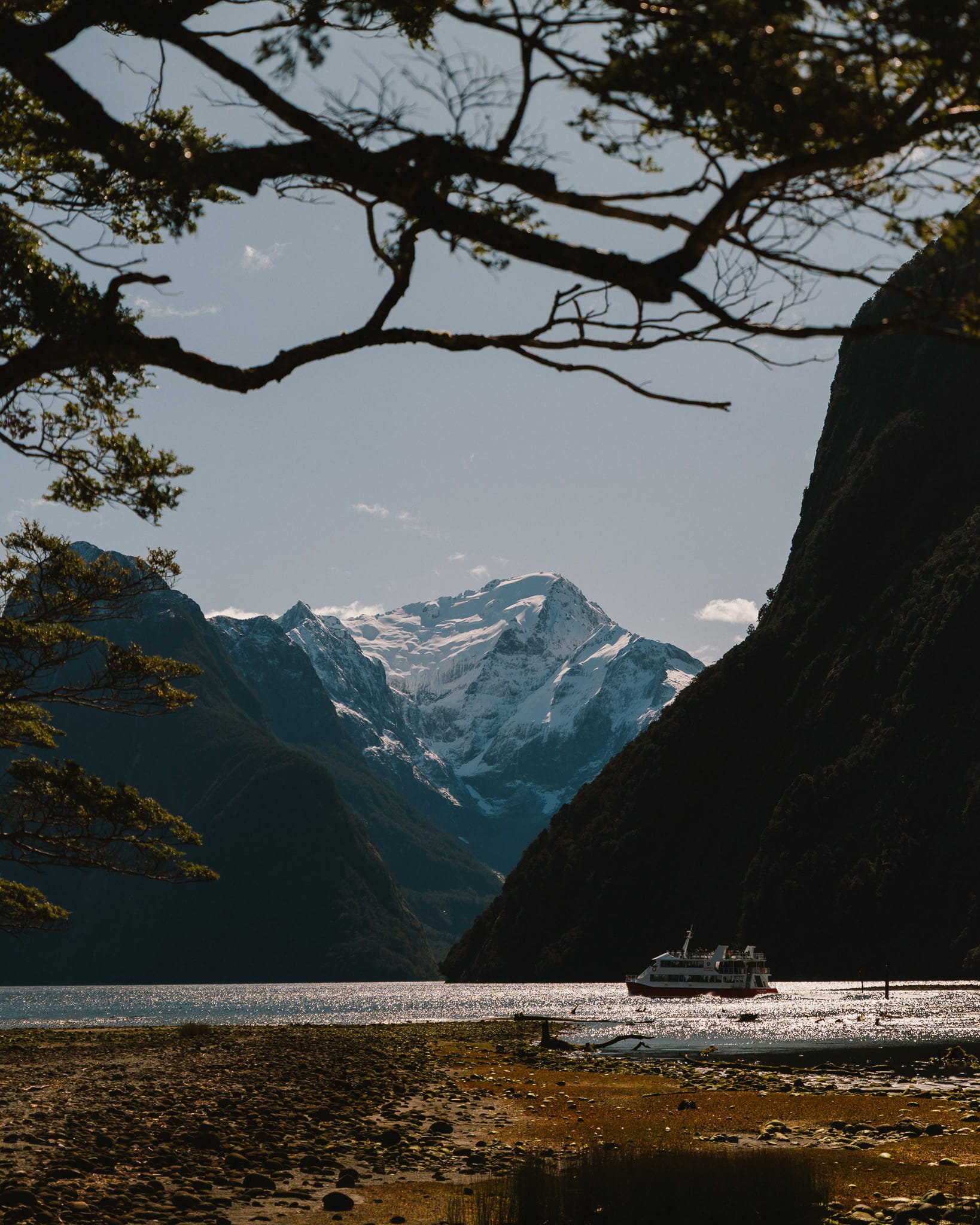
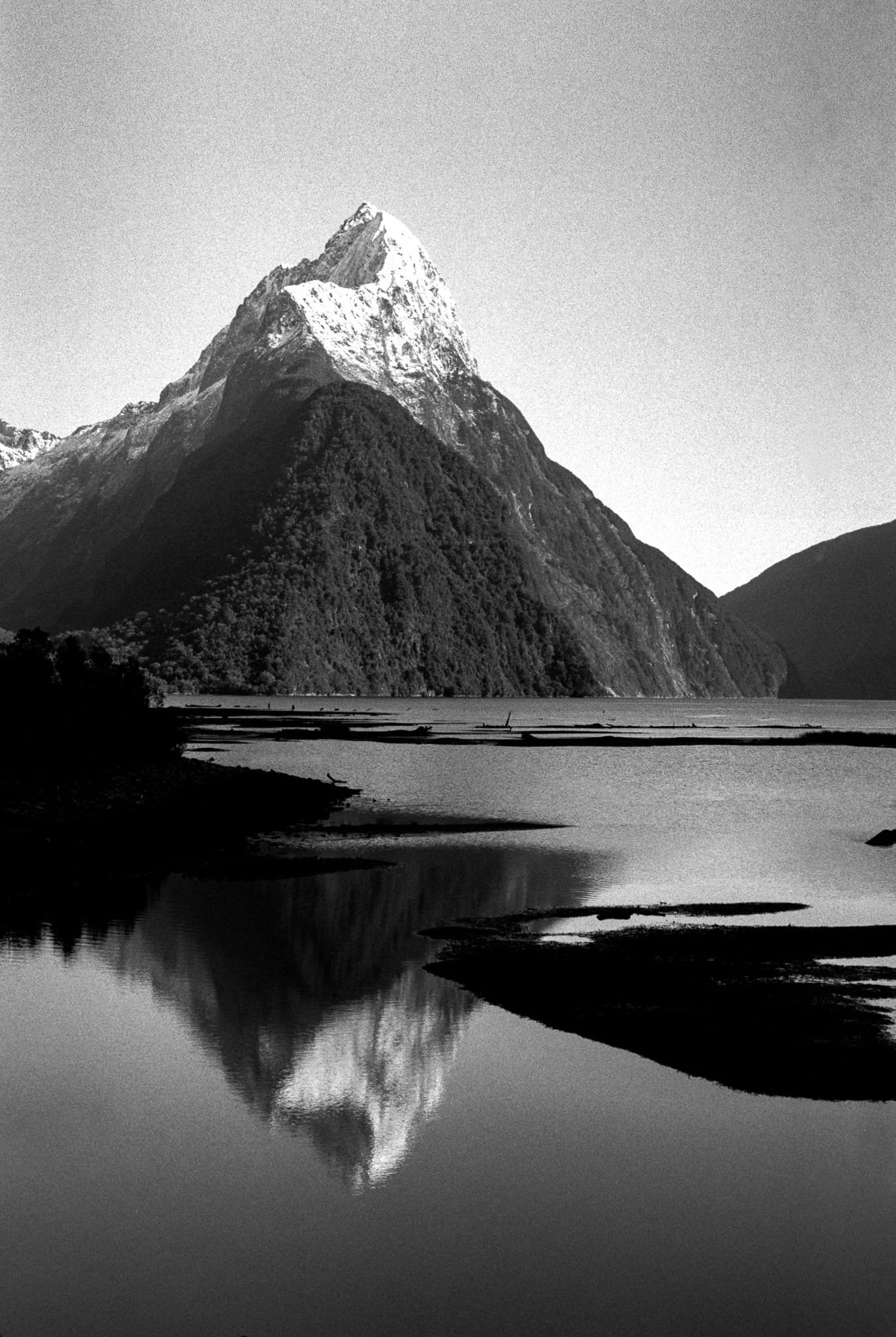
Carved by glaciers over hundreds of thousands of years and sitting within Fiordland National Park, part of a UNESCO World Heritage site, Milford Sound is one of the most dramatic places on earth. Those same glaciers are what left the sheer rock faces rising out of the water on either side, walls that drop straight into the fiord with nothing gradual about them. It is also the only fiord in New Zealand accessible by road, which makes the drive in feel all the more earned. Milford Sound is one of the wettest places on earth, receiving rain on around half the days of the year. You can understand our surprise then, waking up the morning of our cruise to cloudless blue skies. Out on the water the fiord walls rise vertically rather than at a slope, more like a corridor than a valley, and at the point where the fiord opens to the ocean the wind picks up sharply as it sweeps in off the water. It is one of the most dramatic places I have ever been. I still feel like I need to go back and experience it in all its raining gloominess.
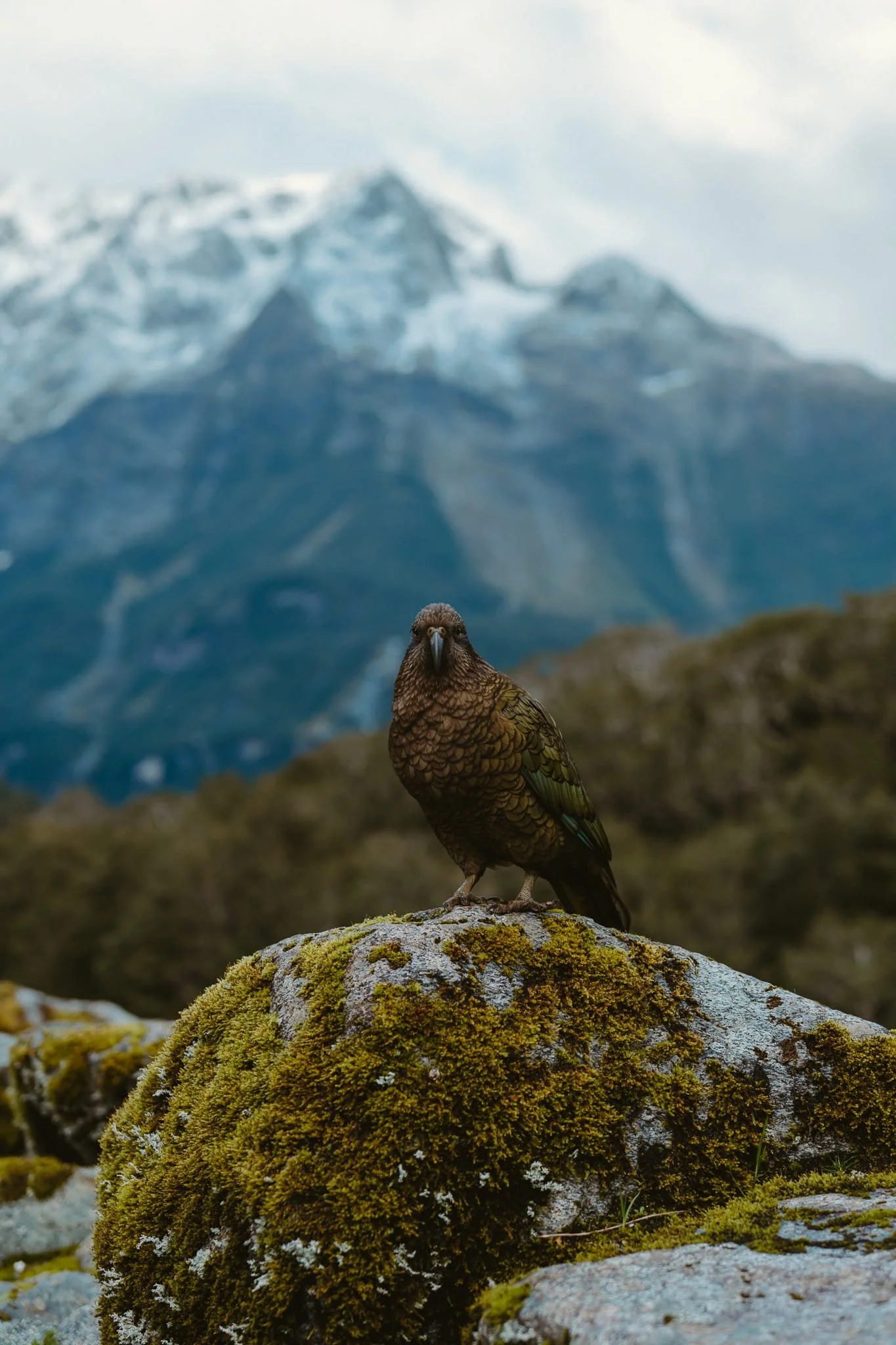
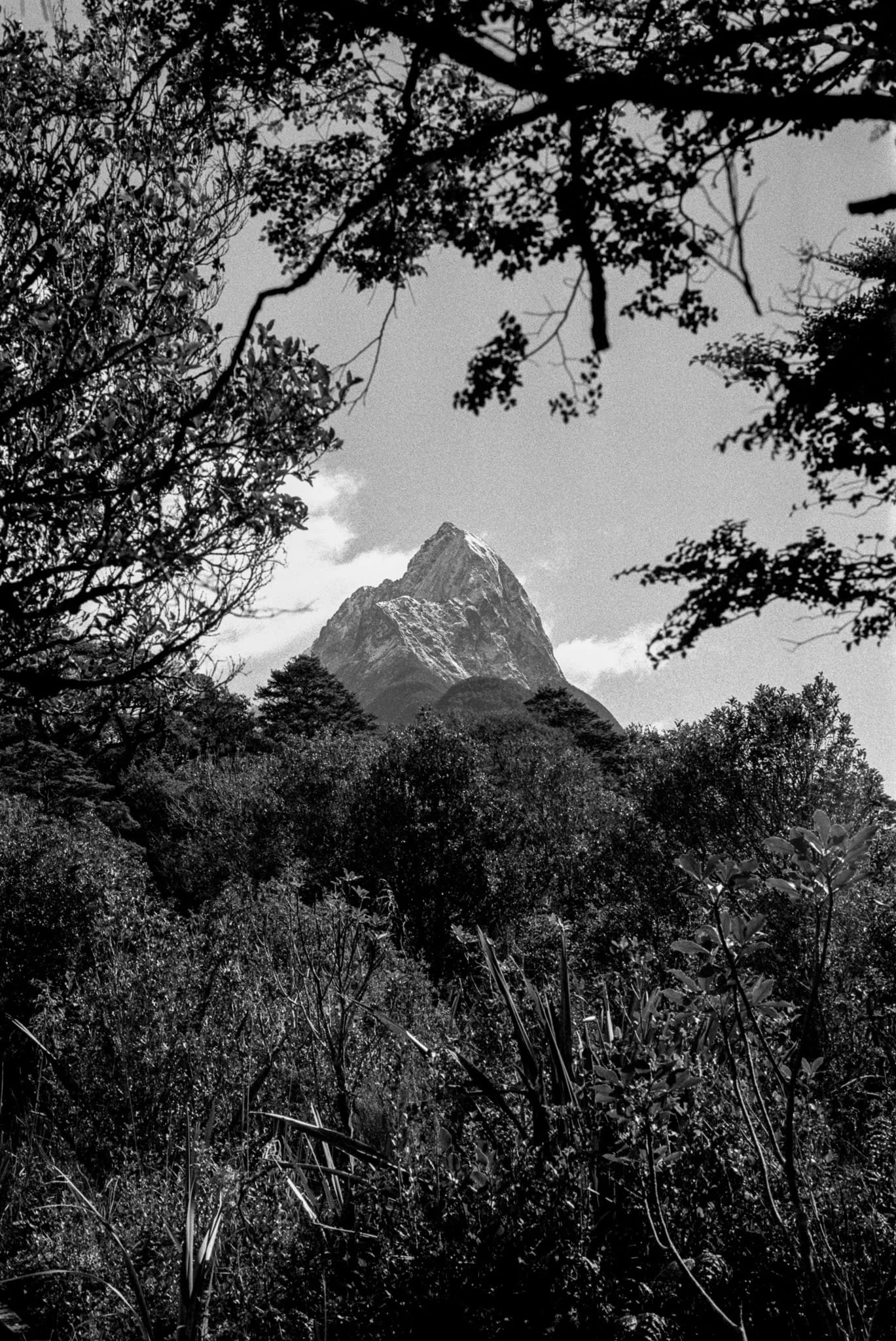
Back in Queenstown, our last full day with the car took us out to Cardrona and on to Lake Wanaka, two more reminders that the landscape around this part of New Zealand does not let up. Wanaka in particular has a stillness to it that feels different to Queenstown, quieter and a little less visited, worth the drive on its own.
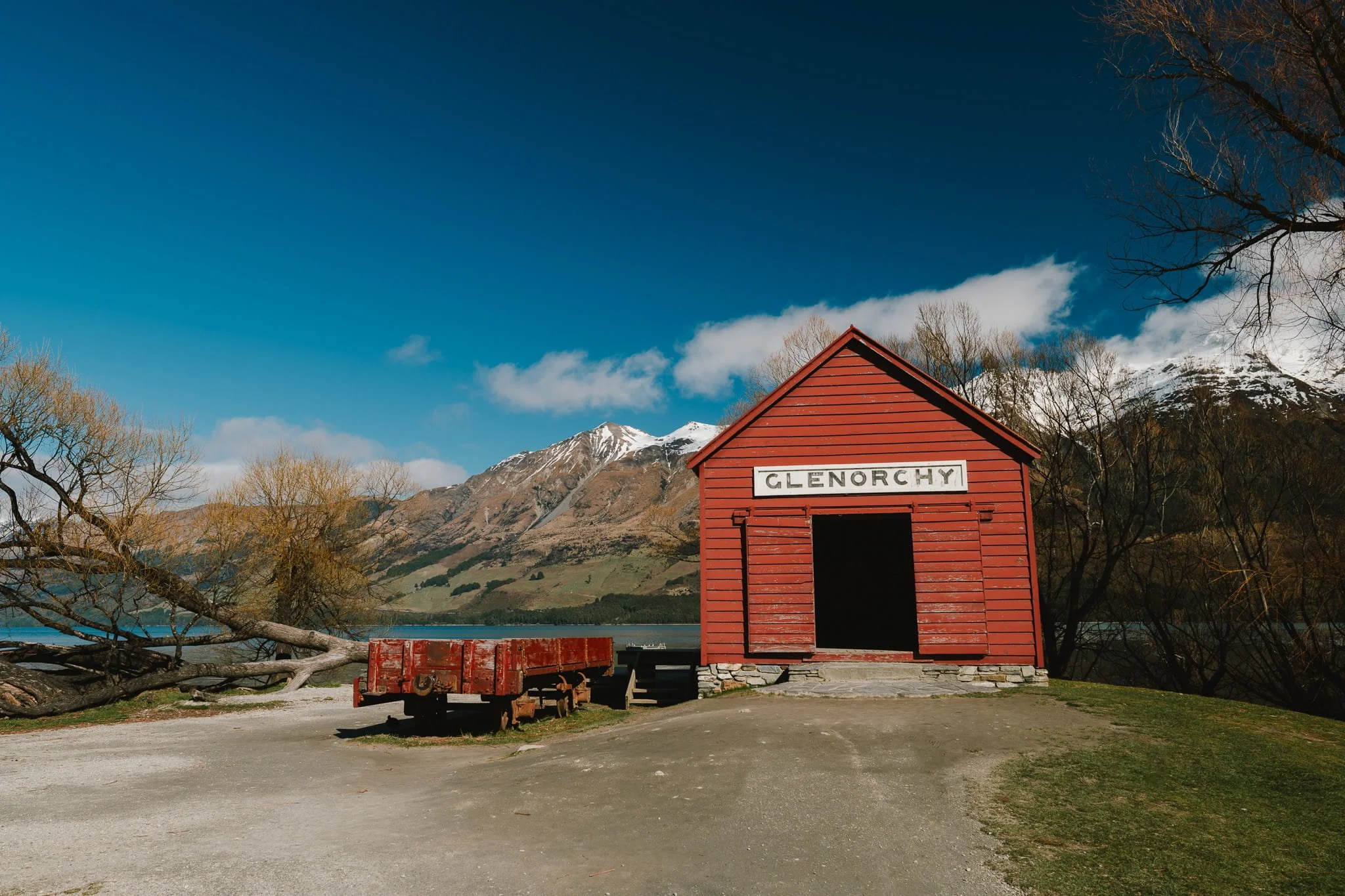
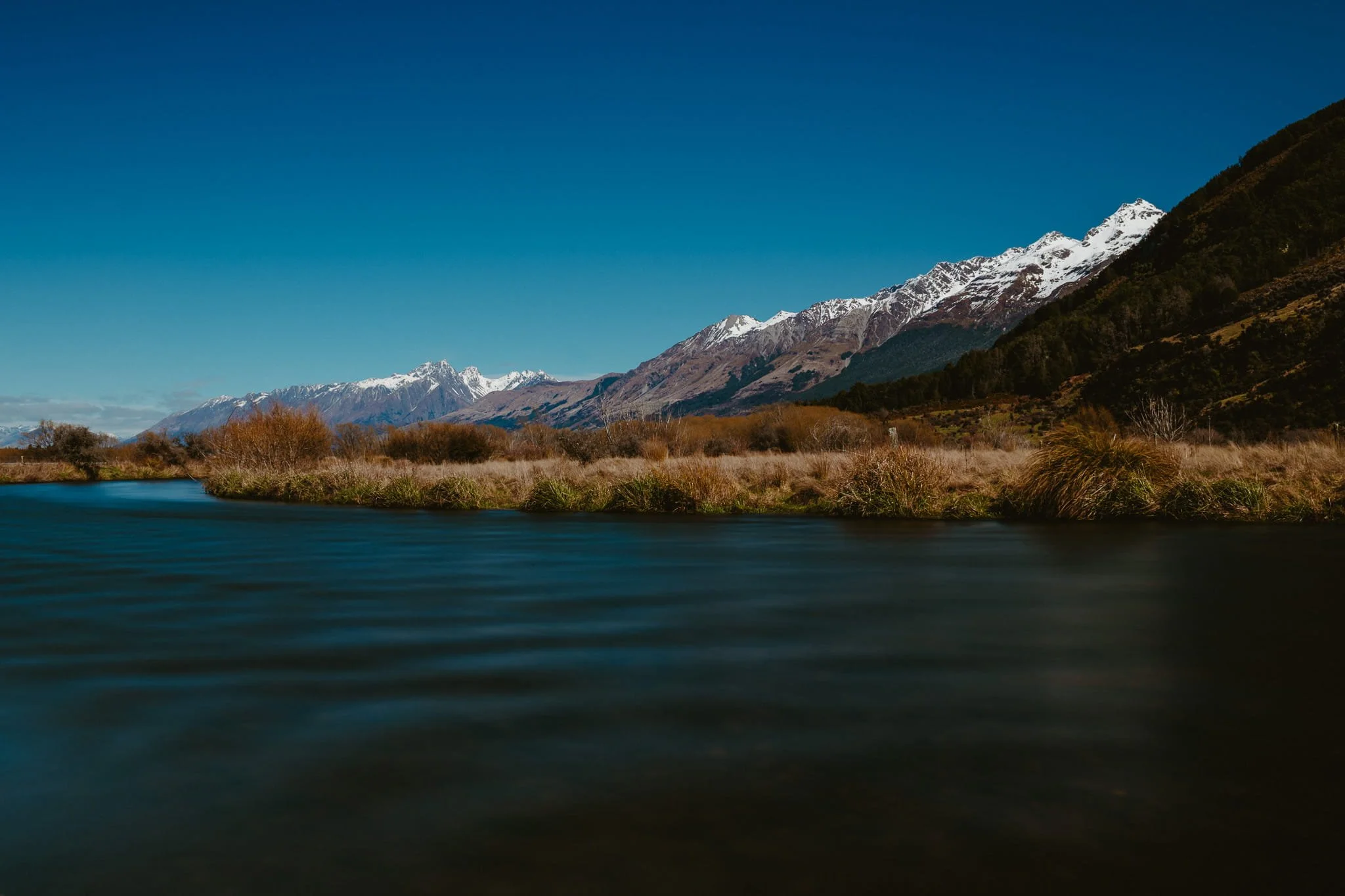
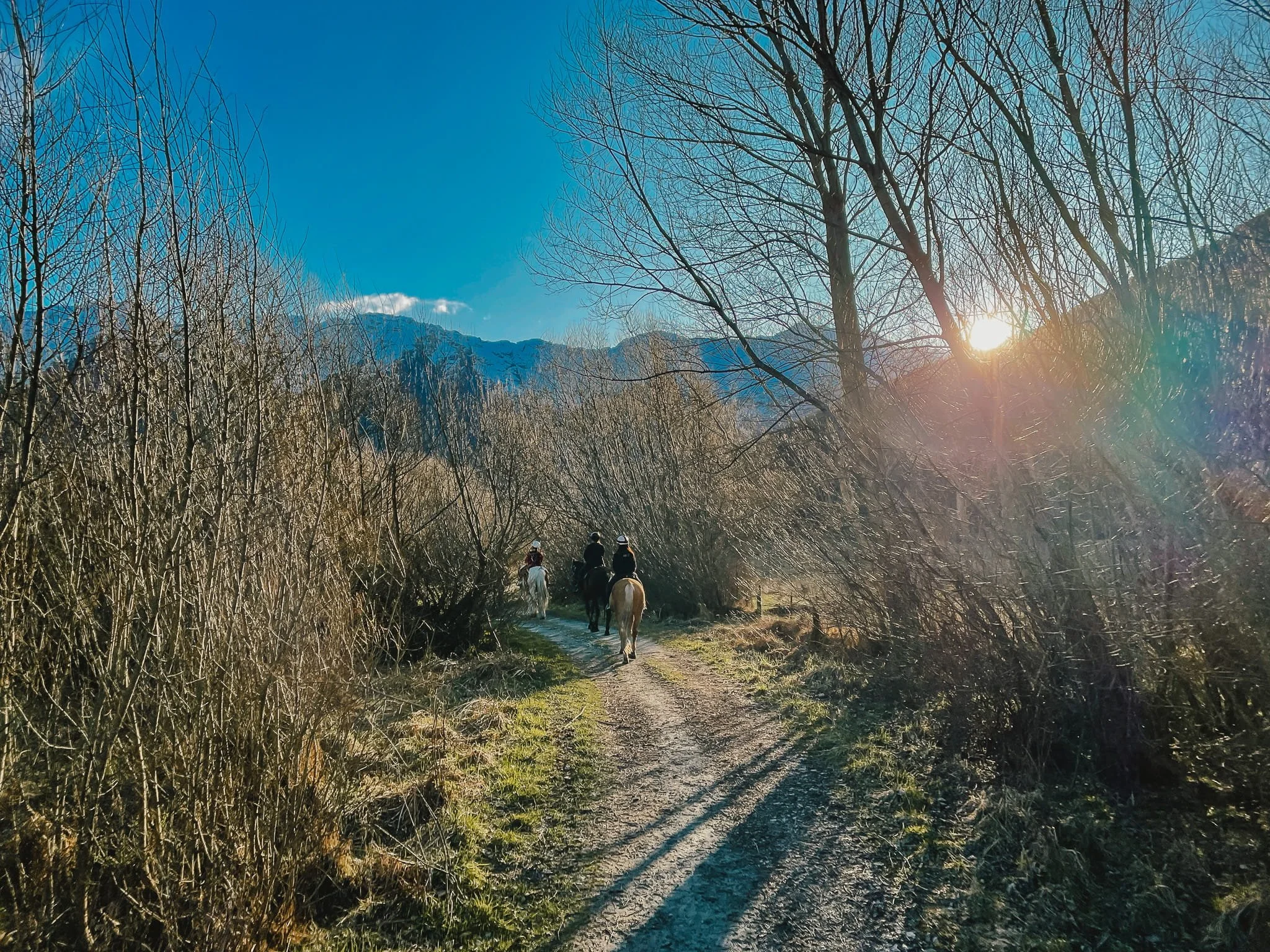
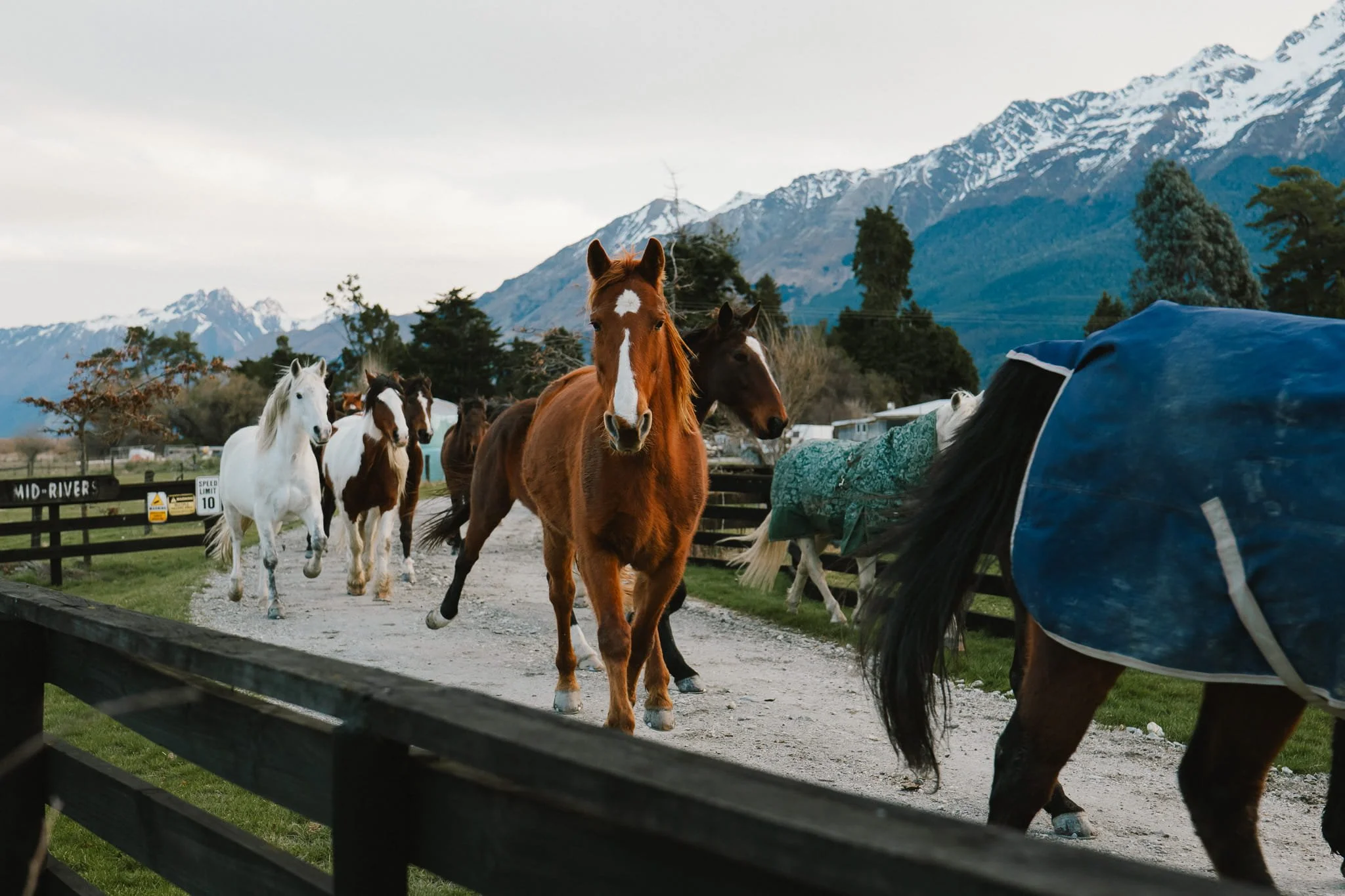
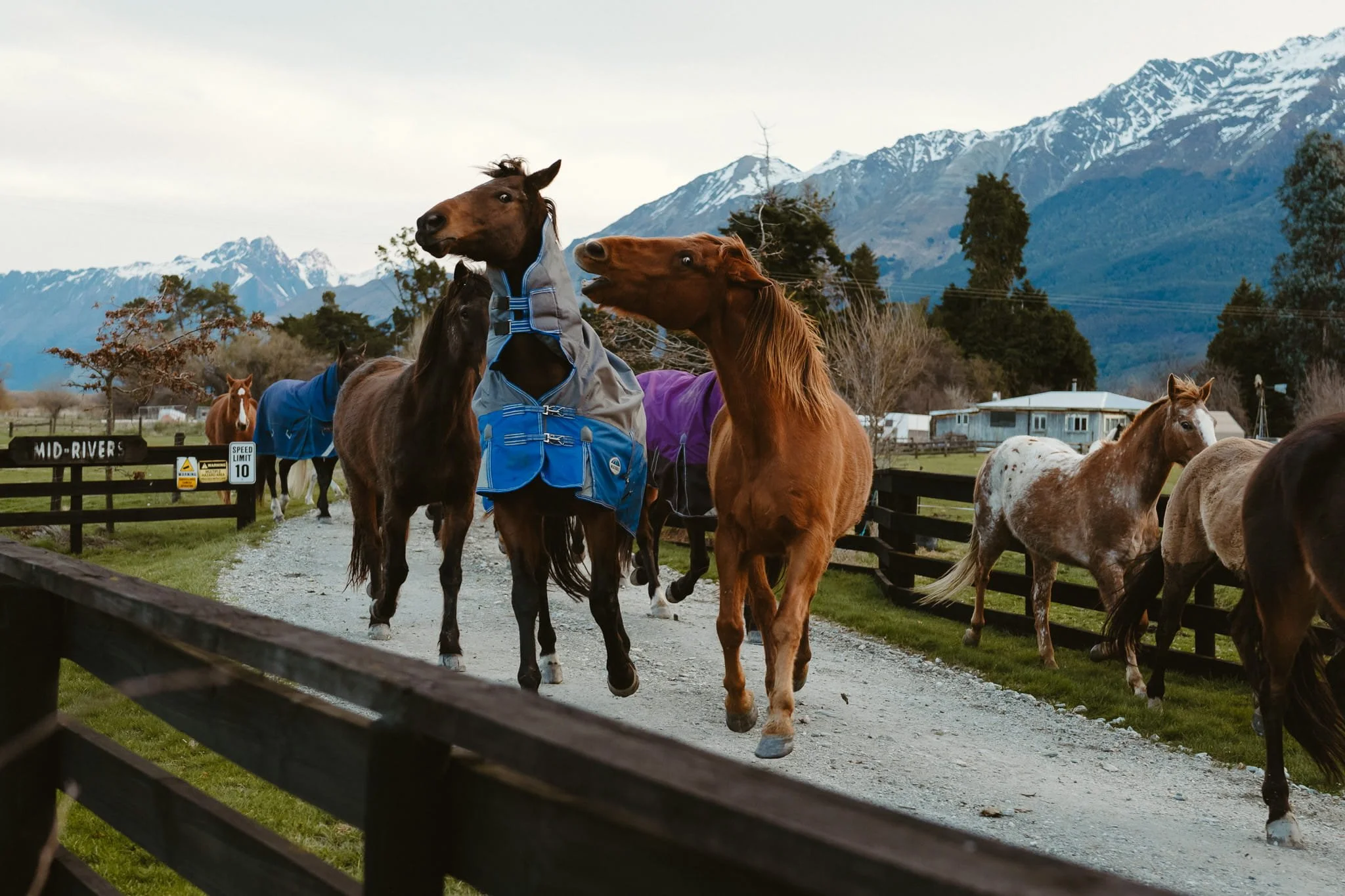
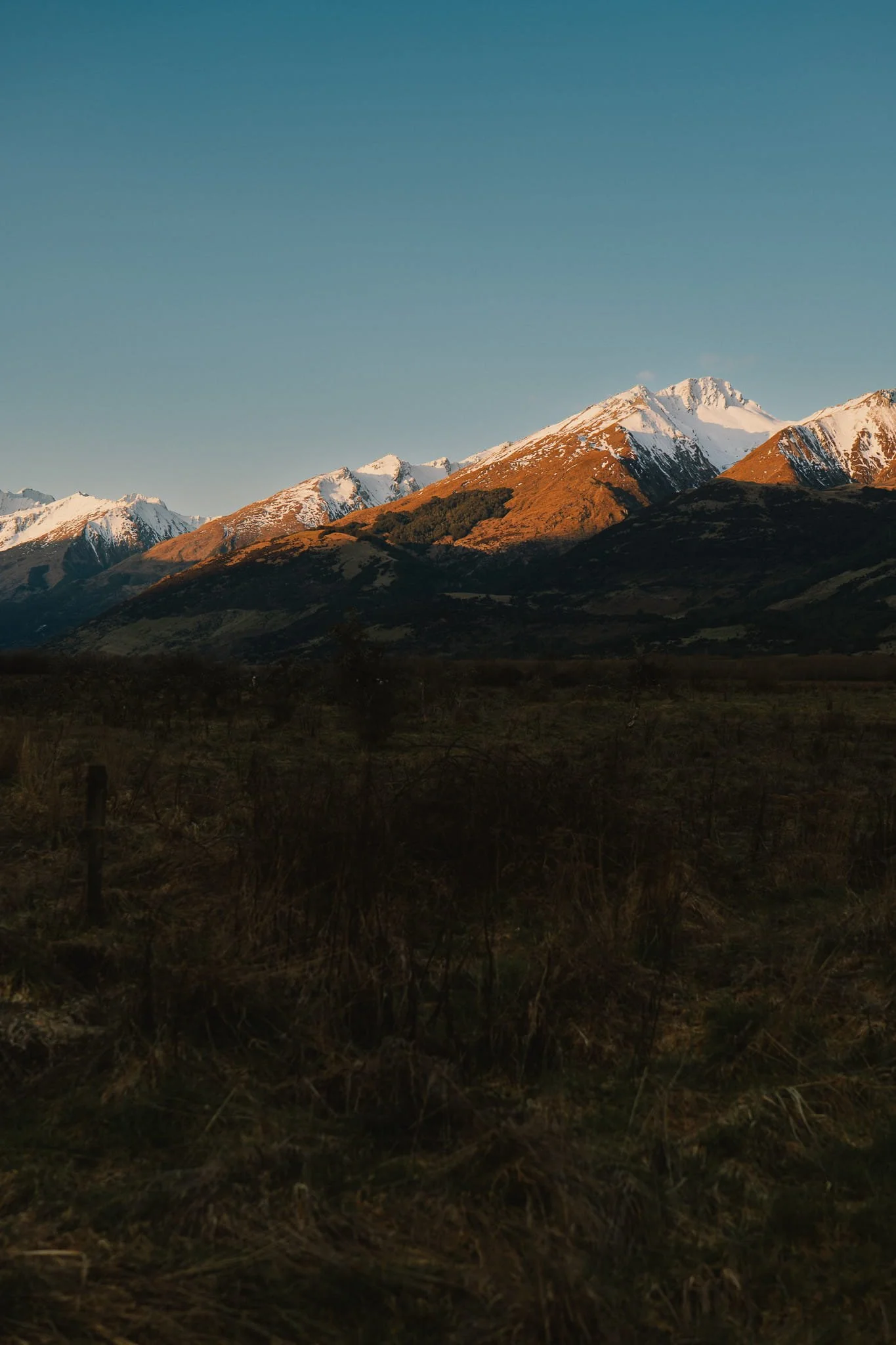
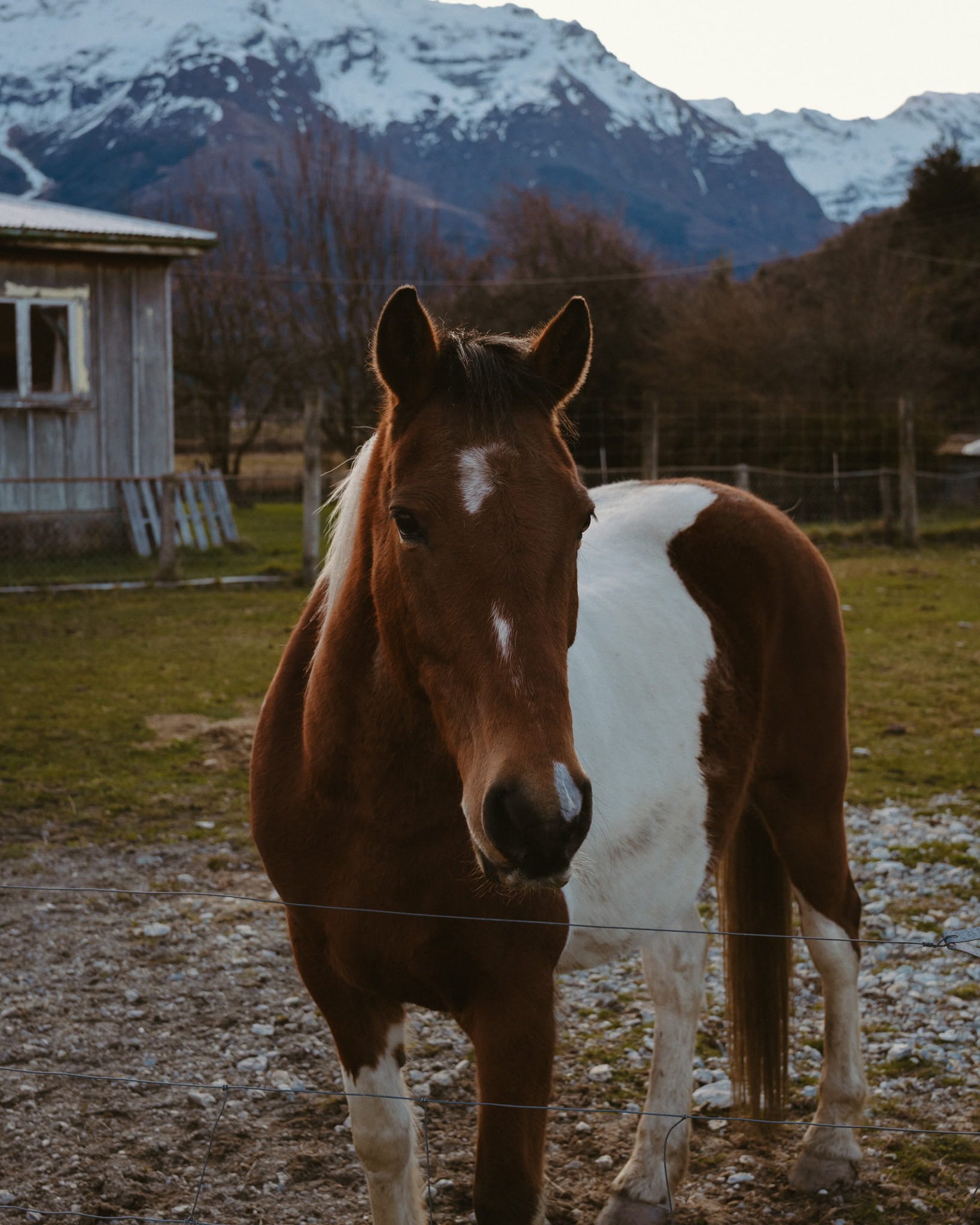
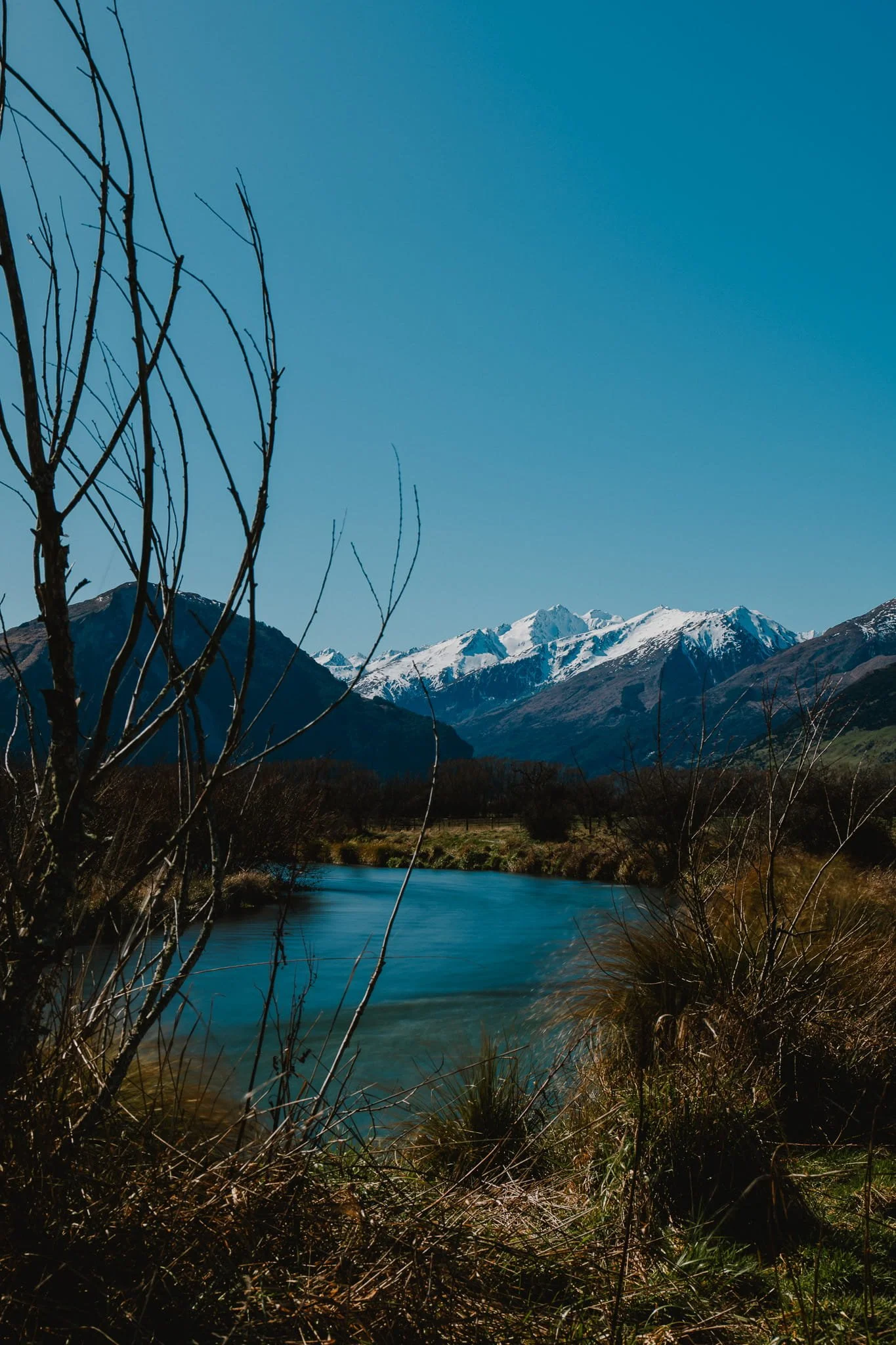
Before we left we made the trip up to Glenorchy, about 45 minutes from Queenstown at the head of Lake Wakatipu, for a 2.5 hour ride with High Country Horses along the Rees River Trail. My wife had been riding for about a year and her love for it really inspired us adding this experience to our trip. It was my first time on a horse and what a place to have your first experience. High Country Horses has been running in Glenorchy since 1987, the oldest trekking operation in the valley and it shows in how well the whole experience is run. The trail crosses glacial rivers and moves through lupin fields beneath the same mountain ranges used as backdrops in Lord of the Rings and The Hobbit. The thing that surprised me most was the quiet. Just the sound of the horses moving, the wind coming off the river, and the peaks above you in every direction.
Leaving was hard but the reasons to go back started forming before we even got to the airport. Four hours from Sydney, a place that fits more beauty into a single view than most destinations manage across an entire trip. If Queenstown is not on your list yet, it should be.